Grandfathered status: what you may — and may not — change in an Altbau
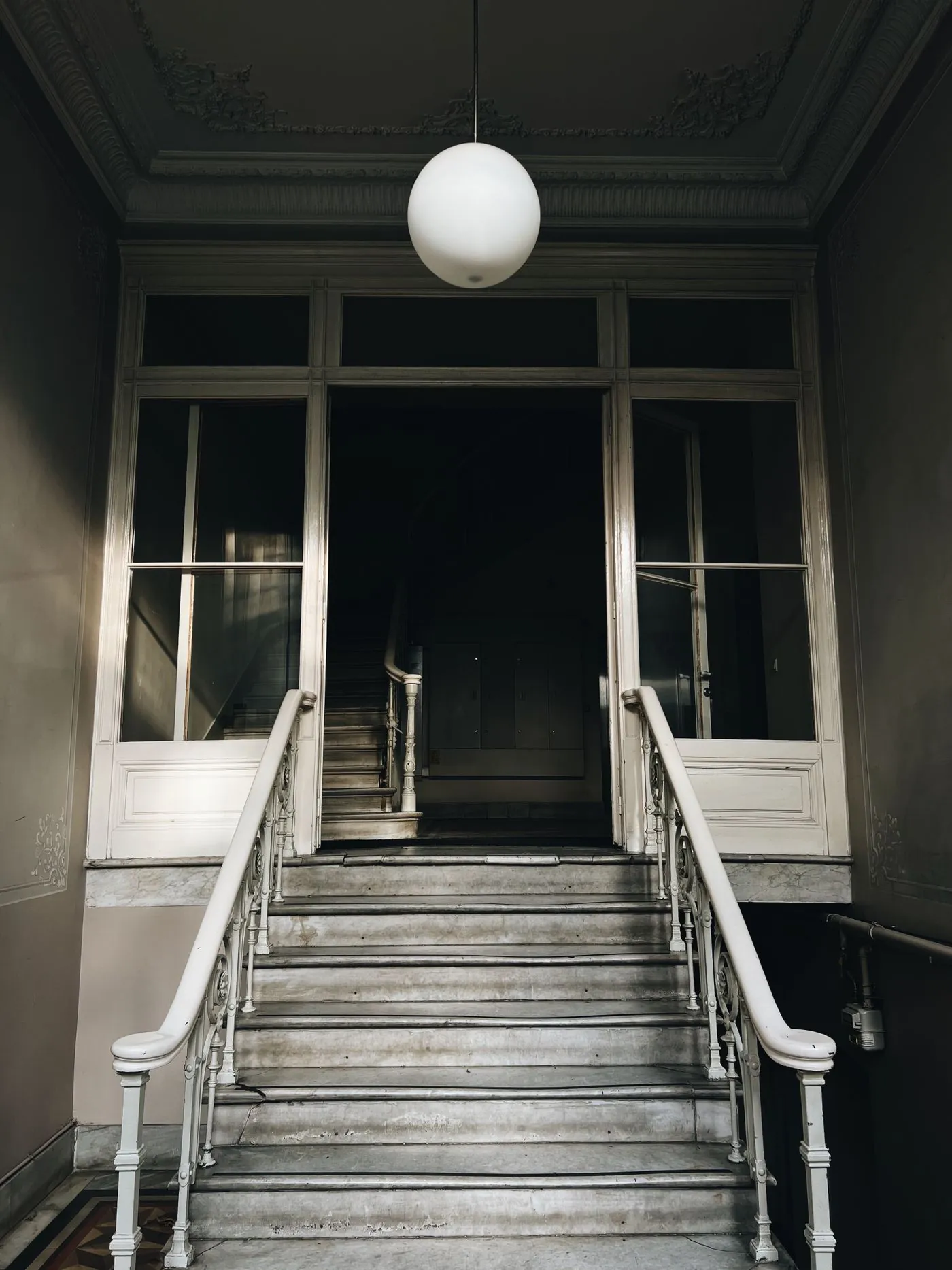
Every pre-war building in Germany enjoys a quiet privilege: Bestandsschutz — grandfathered status. Built before today's building codes existed, it is legal as it stands, and the state cannot demand that stairwells be widened or ceiling heights raised. The privilege is powerful but conditional: it belongs to the building in its current use — and it ends the moment you change that use or the building's envelope. Here is what that means in practice.
How the grandfathering works
Bestandsschutz comes from the state building codes (Landesbauordnungen), not from tenancy or condominium law. As long as a building keeps its use — an apartment building stays an apartment building — it does not have to be retrofitted to today's standards: no second escape route, no minimum room sizes, no modern stair geometry. That is why an 1890s flat with a 3.60 m ceiling and one narrow staircase can legally exist at all.
What you can change without losing it
| Alteration | Normally fine? |
|---|---|
| Like-for-like window replacement (same opening, same look) | Yes — usually no permit, but listed ensembles need approval |
| Boiler replacement, radiator swap, rewiring | Yes — normal maintenance under building law |
| Bathroom rebuild inside the existing flat | Yes |
| Interior insulation, floor sanding, repainting | Yes |
| Load-bearing wall removal (structural engineer + permit) | Case by case — doesn't break Bestandsschutz, but needs proof of stability |
What can trigger the modern code
- Change of use. Turning flats into an office, a guesthouse or combining them into one large flat can count as a use change — and then the current code applies to the affected parts. Careful: even merging units can require approval.
- Enlarging the building. Roof conversions, extensions or new openings in load-bearing walls are measured against today's standards — often the moment a stairwell must be widened or fire protection upgraded.
- Substantial renovation. Some state codes treat a deep modernisation as a "rebuild in place", pulling parts of the building into the new rules.
- Heritage listings (Denkmalschutz) sit on top. They don't cancel Bestandsschutz — they add a second, stricter layer for everything visible or original.
Bestandsschutz protects you from building-code retrofits — but not from the Buildings Energy Act (GEG). Replace the boiler and you may have to meet insulation minimums for the building envelope; window replacements must meet U-value standards. Energy law is where most Altbau owners actually get caught, not building law.
What this means for owners and buyers
For buyers, Bestandsschutz is mostly good news: it caps the regulatory risk of the building you purchase. The due-diligence question is not "does it meet today's code?" but "would my planned changes break the grandfathering?" Have the notary draft check use-change clauses, ask the city what is on file, and treat roof or attic conversion plans as code-sensitive projects.
For owners' communities (WEG), the practical battleground is the stairwell and facade: Bestandsschutz means nobody must upgrade the staircase — it does not mean you may alter it. Original doors, cove ceilings and banisters in common property need a majority resolution, and in protected ensembles also the heritage office's blessing.
What tenants should know
- Bestandsschutz never reduces tenant rights — damp, broken heating and mould are defects regardless of the building's age (see our rent-reduction guide).
- It also doesn't stop modernisation: your landlord may still renovate under tenancy law rules (notice periods, hardship review).
- Original features inside your flat — stucco, historic wallpaper, plank floors — are your responsibility to protect as a tenant (see cosmetic repairs).
Costing your planned changes?
Model windows, boiler, insulation and interiors line by line — before you apply for anything.
Open the calculatorGeneral information, not legal advice for individual cases. Building-law assessments depend on the state code and the specific project — in doubt, ask the local building authority or a specialist architect. Questions for the editors: hello@altbau.com