Independent expertise on the costs, subsidies and technology of the classic Altbau apartment. Well-researched, jargon-free, no sales agenda.
The guides readers come back to most — swipe or scroll to browse.
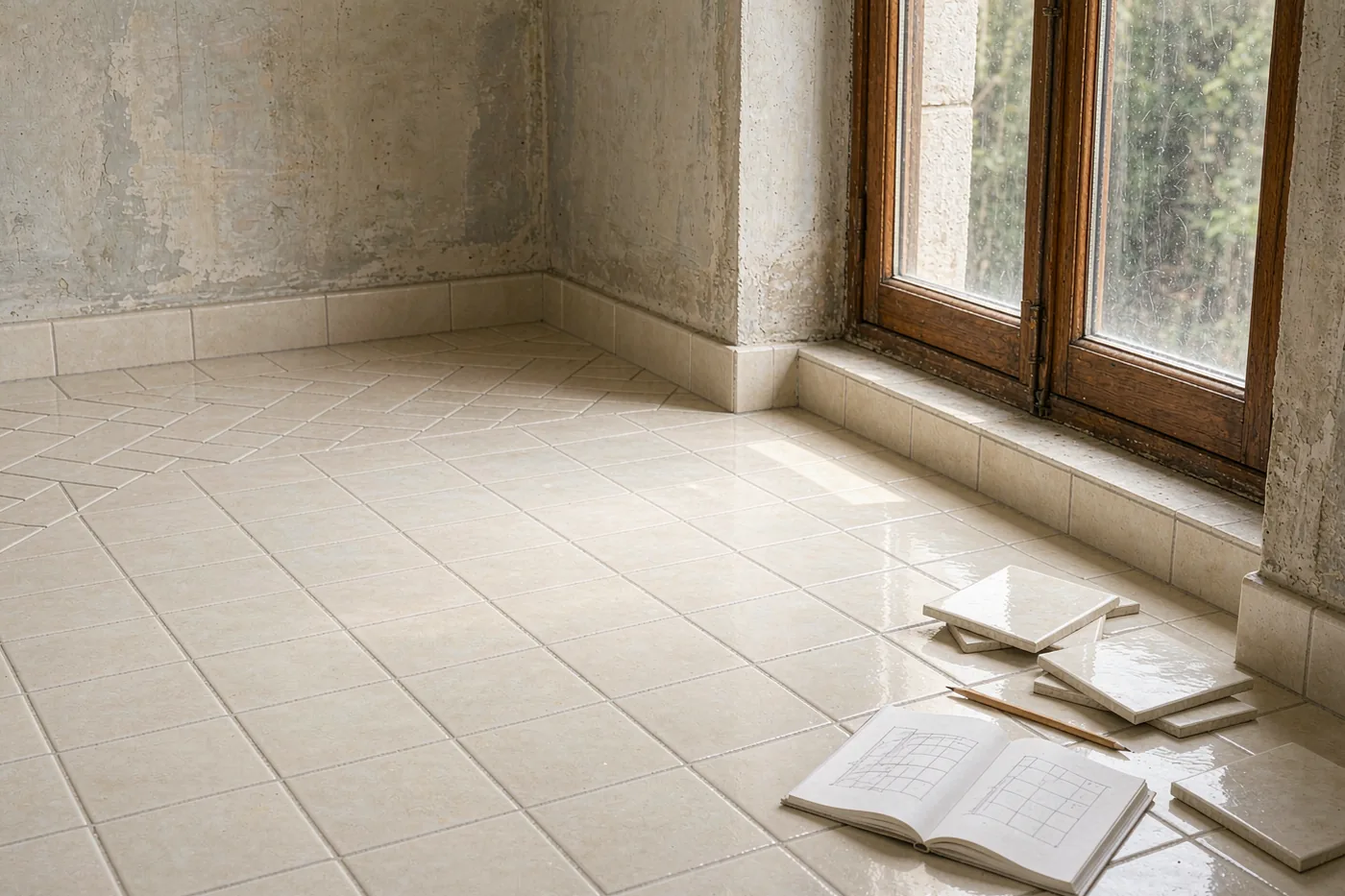
Floors & finishes
Calculating tile quantities in old buildings: area, waste and whole boxes
Worked example →
Budget
Renovation budget: what it really costs
Check the costs →

Buying & renting
The period-property viewing checklist
See the list →

Fabric
Damp and mould in old buildings: causes and fixes
Find the cause →

Subsidies
KfW & BAFA: how to get renovation money
Check funding →
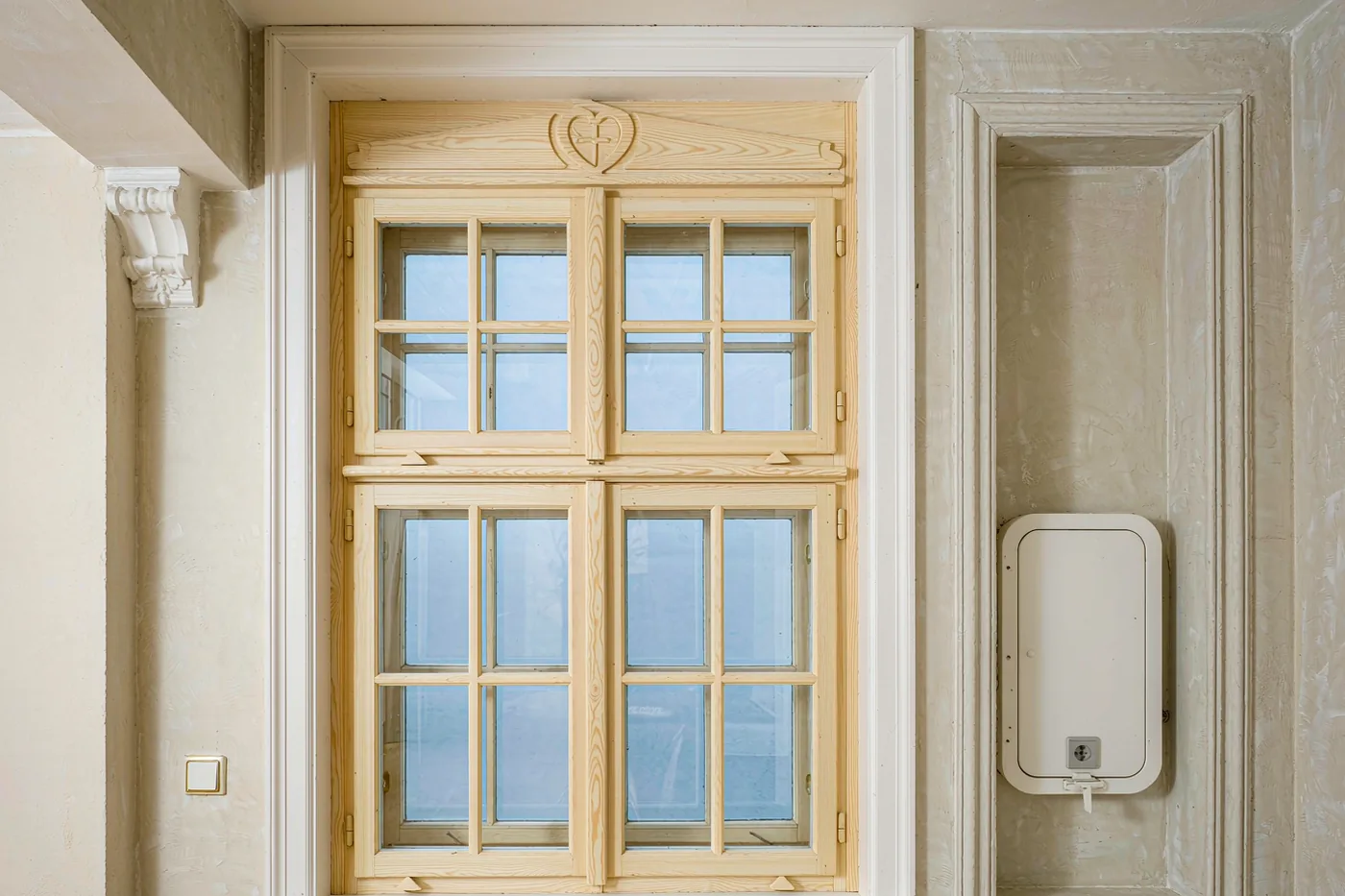
Windows
Restoring timber windows in period buildings
Read more →

Roof
Gutters and downpipes in period buildings
Read more →
Heating
Altbau in winter: preparing your old apartment
Winter check →
Swipe or scroll to see more →

Headlines are our own editorial summaries; all rights remain with the publishers. Each link opens the original reporting.
Water must leave the roof in a controlled way — why gutter, fall and outlet are checked before insulation.
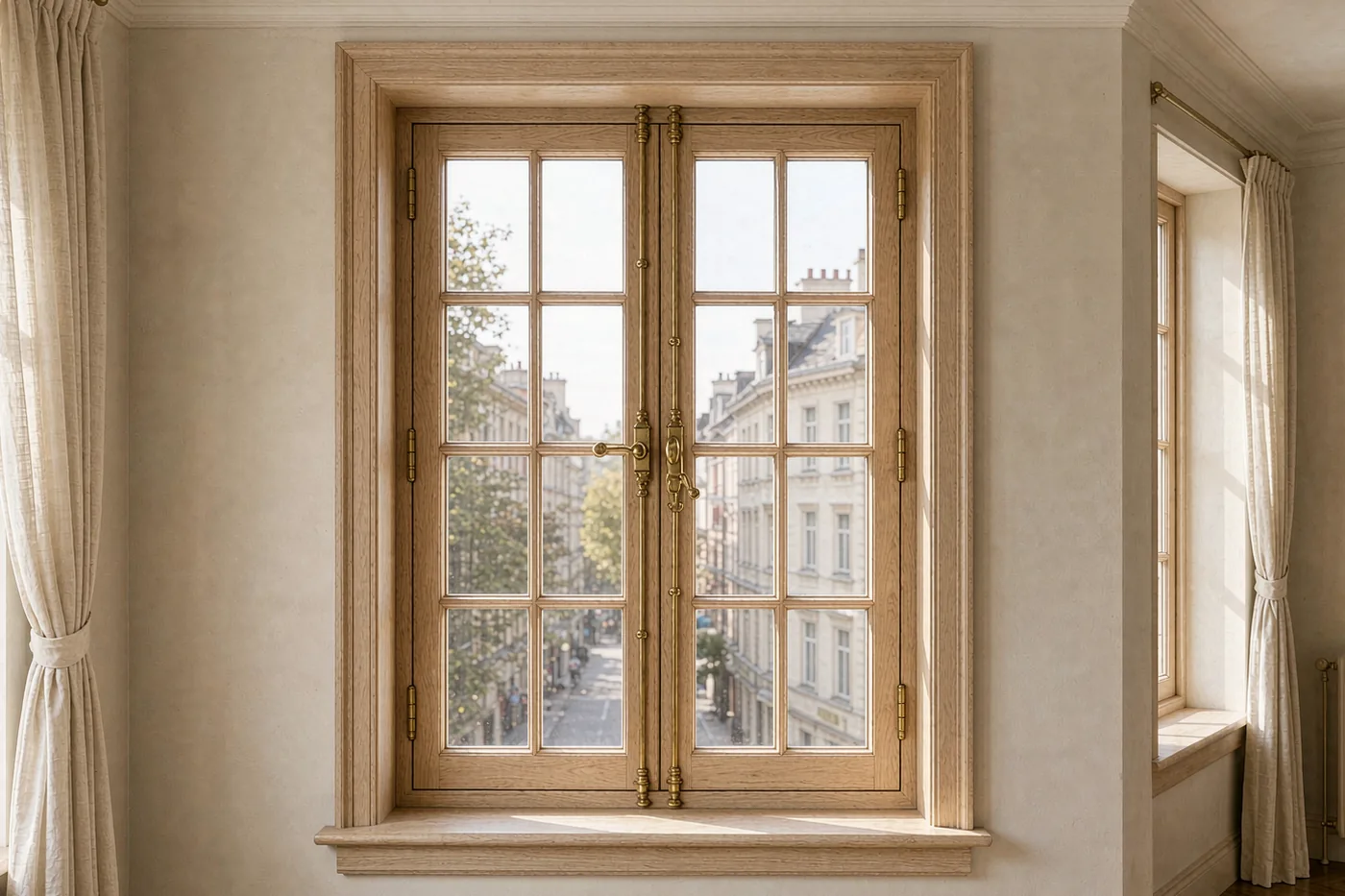
Original fabric instead of a standard frame: when restoration pays and which damage is truly critical.
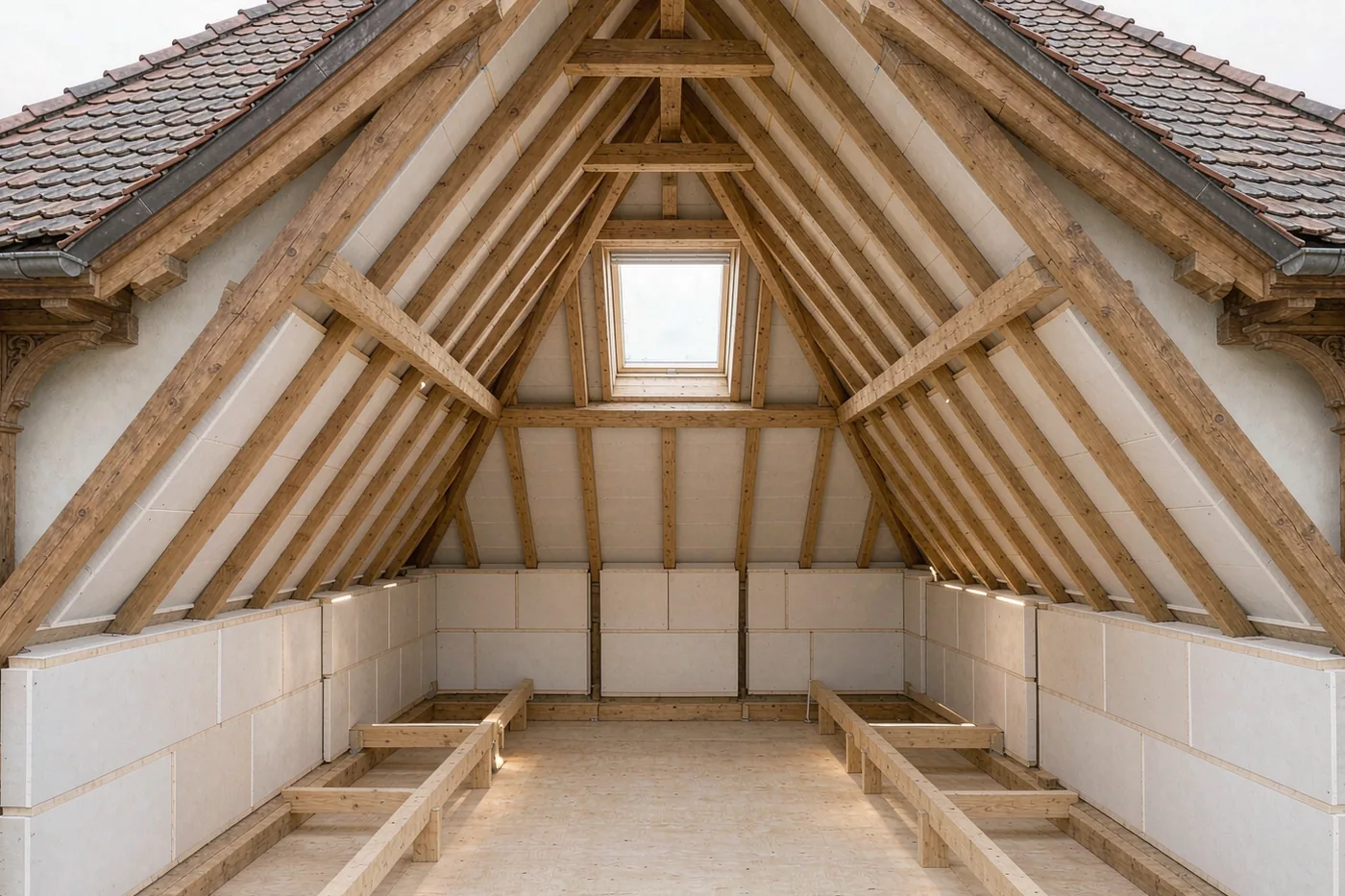
Build-up, moisture and drainage belong together — otherwise insulation merely hides the problem.
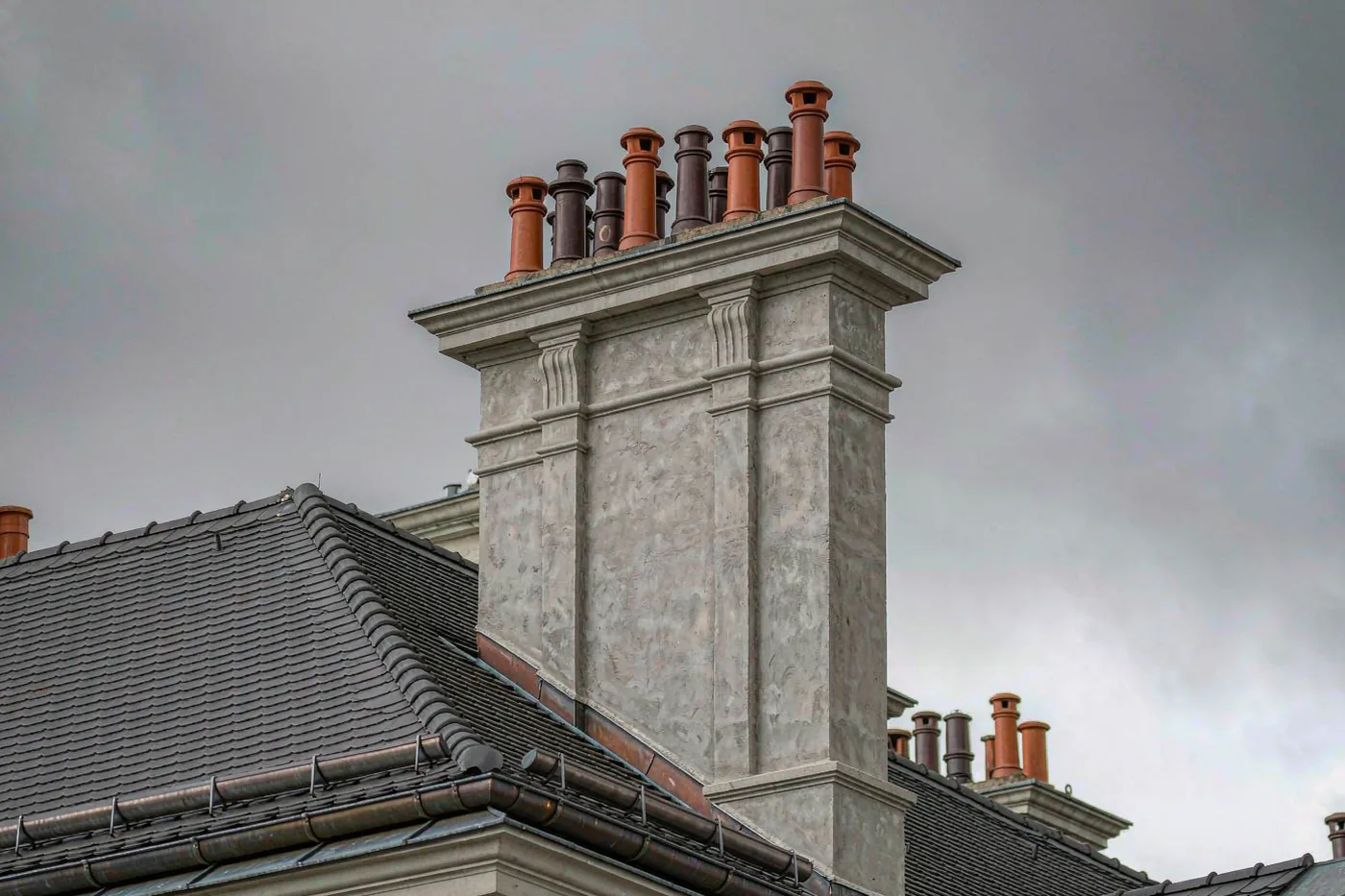
A chimney is a structure through several floors. Clarify condition and use before repair.
A light well is drainage: ventilation, water and escape route must be planned together.
Hardware, seals and fitting often work better than replacement — especially with solid period doors.
The mortar decides: why hard cement harms historic masonry and how a trial area protects the fabric.
Not every pipe needs insulation. Clarify location and losses first, then insulate selectively.
Surface drying deceives. Stop the source, map the moisture and dry with measurements.
Period buildings mean long escape routes. Clarify rules, locations and records before fitting.
Pressurised water, construction damp, condensation: why the cause must be settled before anything is sealed.
Dry rot, longhorn beetle, furniture beetle: how to spot an attack and why treatment starts at the moisture source.
Fibre cement, tile adhesive, fuse boxes: where asbestos hides in period buildings and why a visual check is not enough.
Grey pipes, soldered joints, stagnant water: how to spot lead pipes and what the Drinking Water Ordinance requires.
Half-landings, lift doors, rear courtyards and no-parking zones — the details a quote depends on.
Which cost type, permit trigger and grant logic belongs to each component — as a planning grid.
A worked scenario from the initial survey through to boards, windows and heating.
Why the wording matters for tenancy law, monument protection and grant applications.
Why November is the right moment for bleeding, hydraulic balancing and a sensible thermostat setting.
Receipts, the land-versus-building split, maintenance and grants — which records matter now.
Where temperature and construction moisture set limits, and what still works well indoors.
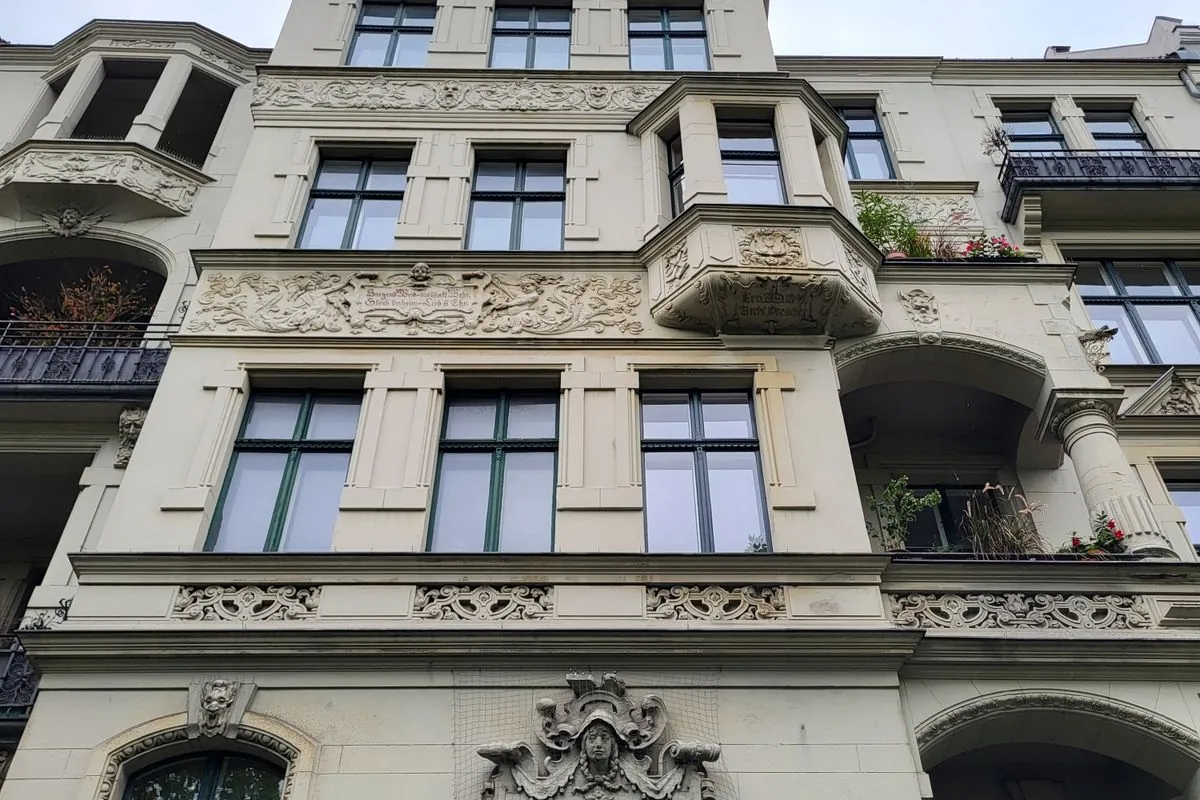
From the 1871 boom to the Mietskaserne — where these buildings come from and why they are built the way they are.
Coving, rosettes and ceiling medallions — repair, recast or reproduce?
Window types, craft costs and subsidy stacking — the full 2026 price picture.
What the heating switch means for old buildings — costs, funding and realistic options.
Renting a sander, grit sequence, oiling vs. lacquering — DIY vs. tradesman cost comparison.
High ceilings, cross-ventilated layouts, solid walls — and what to budget for.
The current state of unenforceable clauses in German tenancy law, briefly explained.
Step-by-step guides for the decisions that actually cost money: budget, viewing, damp, electrics, heating, insurance, running costs, noise, outdoors.
Line-by-line costs per m², plus the 20% contingency everyone forgets.
What to look at, touch and ask in 20 minutes — with a printable list.
Rising damp, condensation or a leaking pipe — how to tell them apart.
What heating actually costs per year, and which system fits an old building.
What belongs in the bill, guide values per m² — and how to check your annual statement.
Timber beam ceilings are loud. What mats, linings and windows really cost — and what works.
Rents up 3.7% — existing stock leads. Rents, purchase prices and costs for all nine cities, updated quarterly.
Gas at 11.2 ct/kWh, oil up 50% — the numbers behind the second rent, tracked quarterly.
Identify a building's era, look up original details, compare 18 cities, check which rules apply — then estimate heating costs or plan the full renovation budget in the calculator below.
Six questions about ceilings, windows and facade details — and a likely construction era, with what it means for your renovation.
Ten original drawings — Kastenfenster, Stuck, Berliner Zimmer, Dielenboden and more — explained for buyers and renovators.
Stock, rents, heritage strictness and renovation friendliness across Germany and Austria, linked to every city guide.
Listed building, energy certificate, modernisation, rent reduction — two guided paths for Germany and Austria.
Ceiling height, windows and insulation turned into an indicative annual heating bill for your Altbau.
A line-by-line estimate built from 2026 German trade prices — not a per-square-metre guess. Adjust the quantities to match your apartment.
VAT at 19% is added at the end — homeowners pay gross, and most published price guides quote net. A binding quote needs an on-site survey. Subsidies (KfW 458, BAFA, § 35c EStG) can cut the net figure substantially.
Unit prices are cross-checked against 2026 German market data: published contractor guides for painting, plastering and floor sanding (Blauarbeit, Profimaler Hamburg), Berlin renovation surveys (Ventis Berlin), window and door quotations (mad-fenster, city-sanierbau), bathroom fitting guides and the BKI regional cost factors for the Munich / metropolitan / rural spread (>40% nationwide). Regional factors follow the BKI scheme; all figures are net, VAT 19% is added at the end. This calculator is an orientation tool, not a quote.
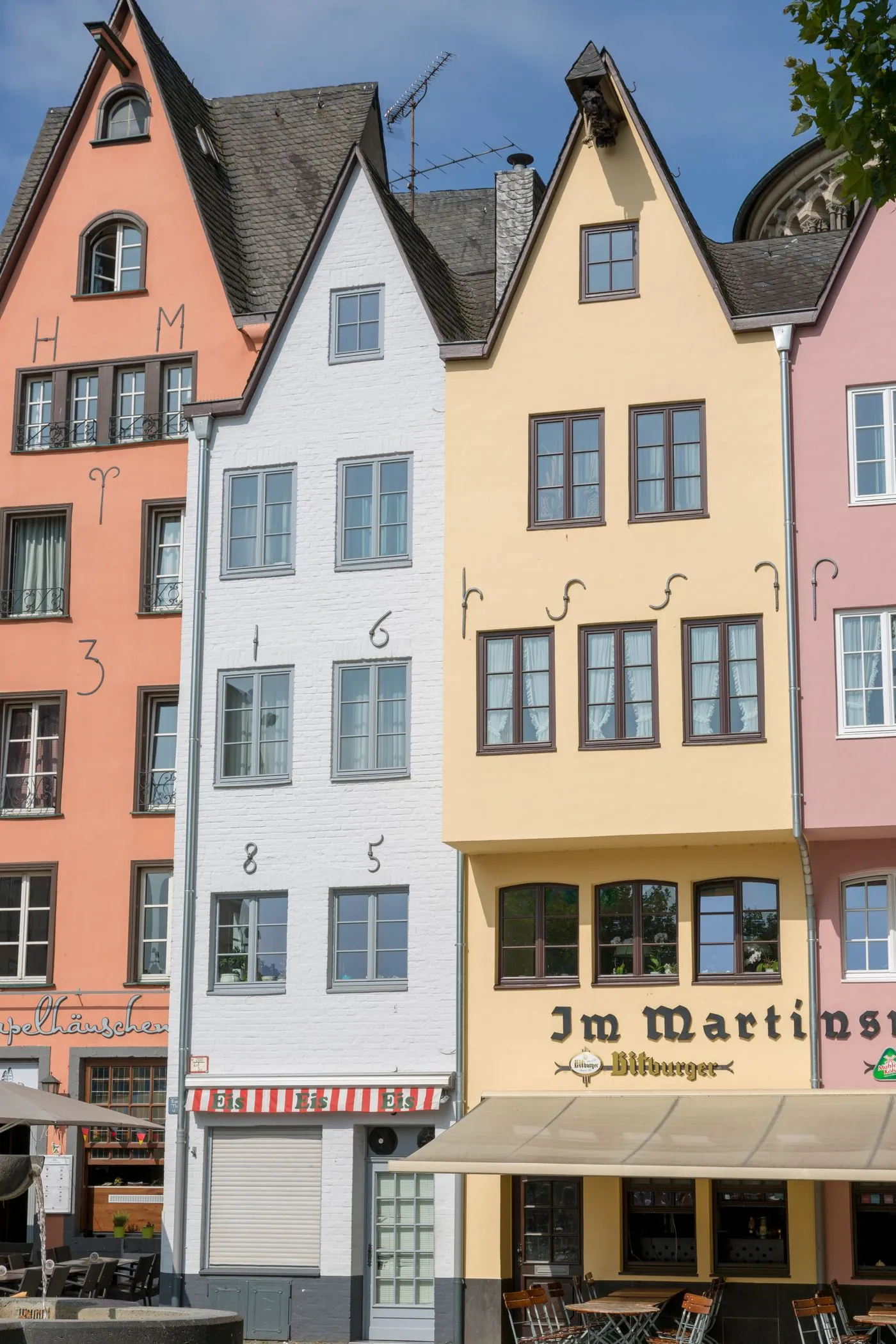
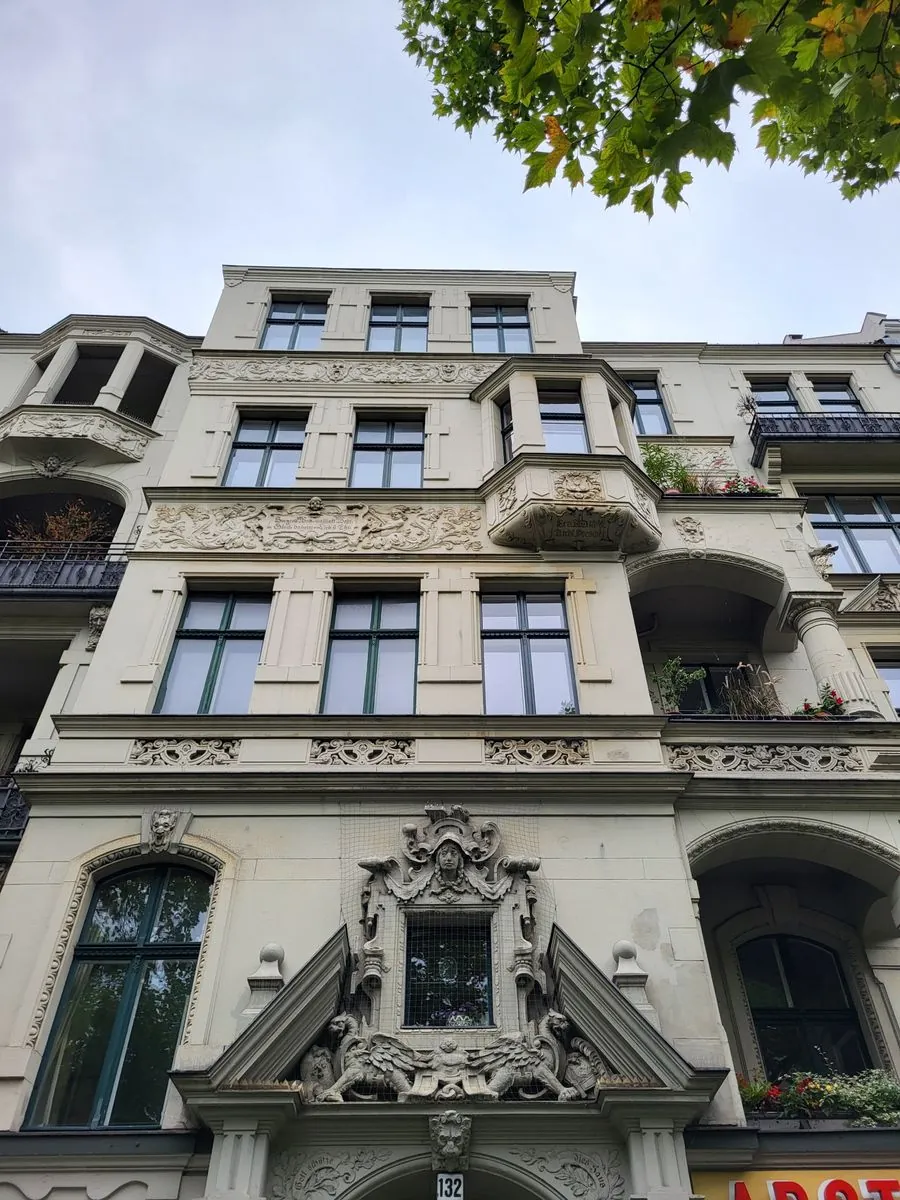
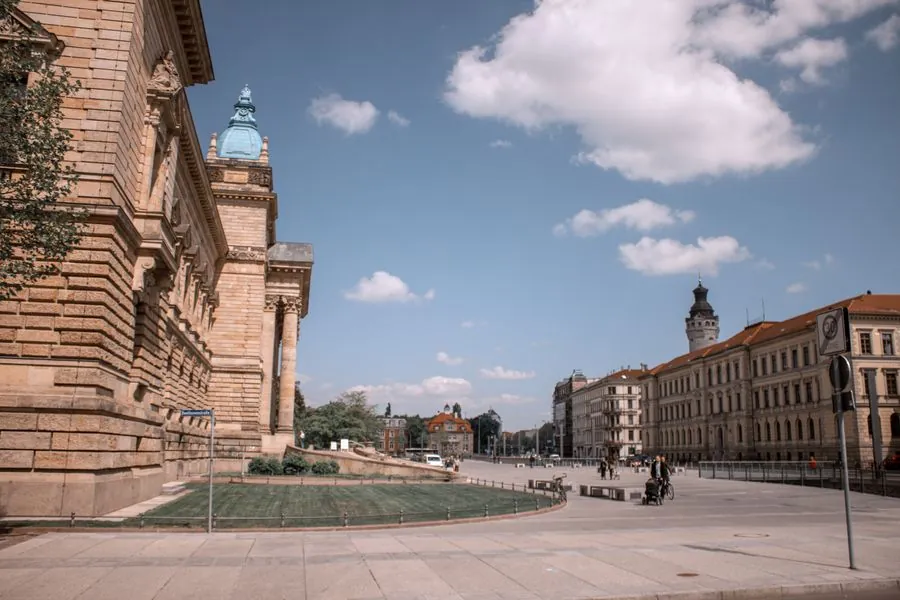
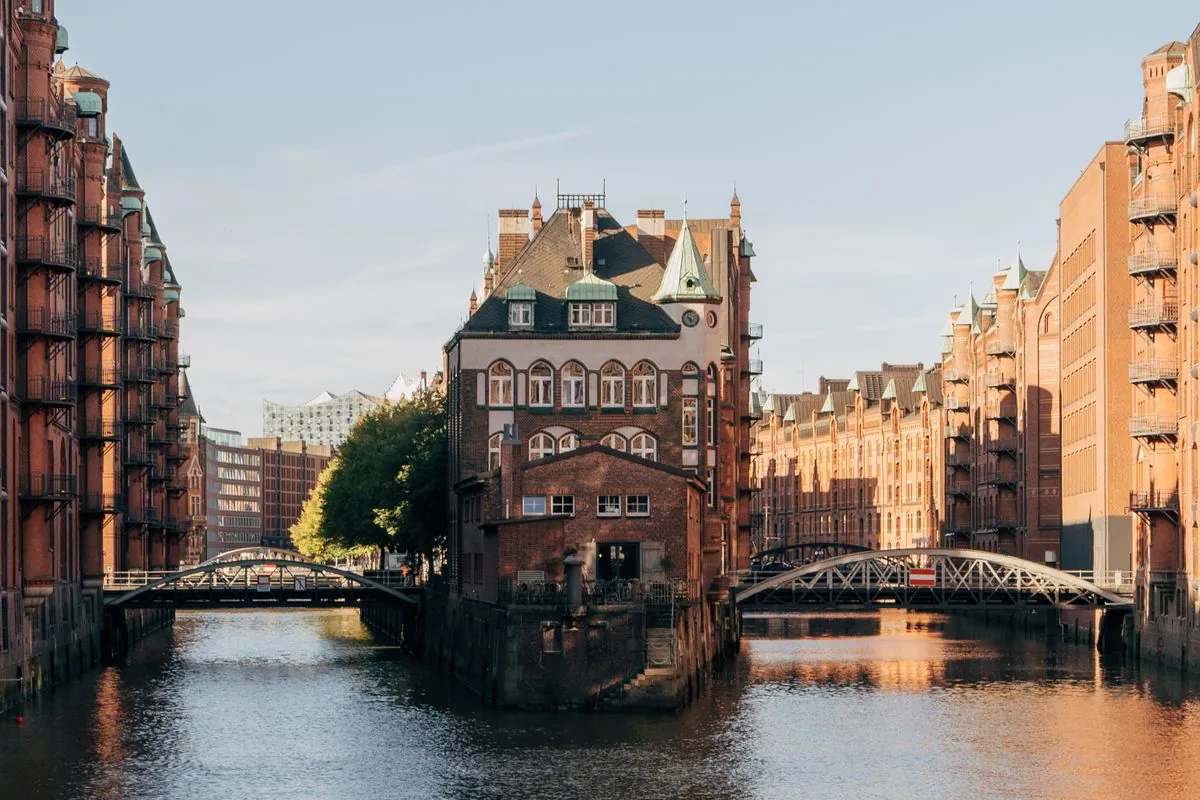
Every city has its own Altbau culture — different stock, rents and heritage rules. Now covering Germany and Austria: Berlin, Munich, Vienna, Hamburg, Graz, Salzburg and more.
Europe's largest connected Gründerzeit stock — whole districts are pre-1914, rents run under the MRG and renovation follows Austrian rules.
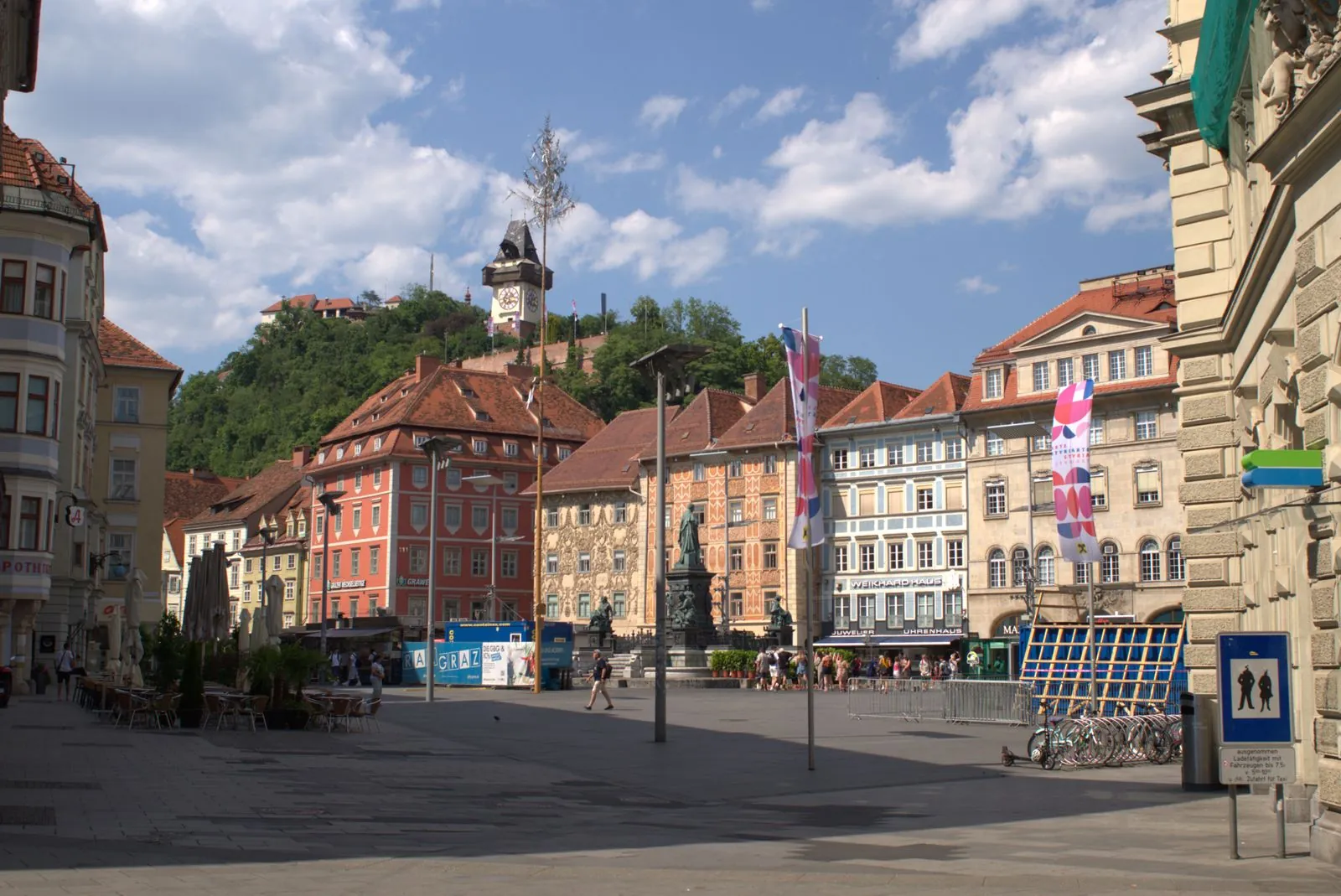
Austria's student city: a UNESCO old town, the creative Lend belt along the Mur and generous supply at notably softer prices.
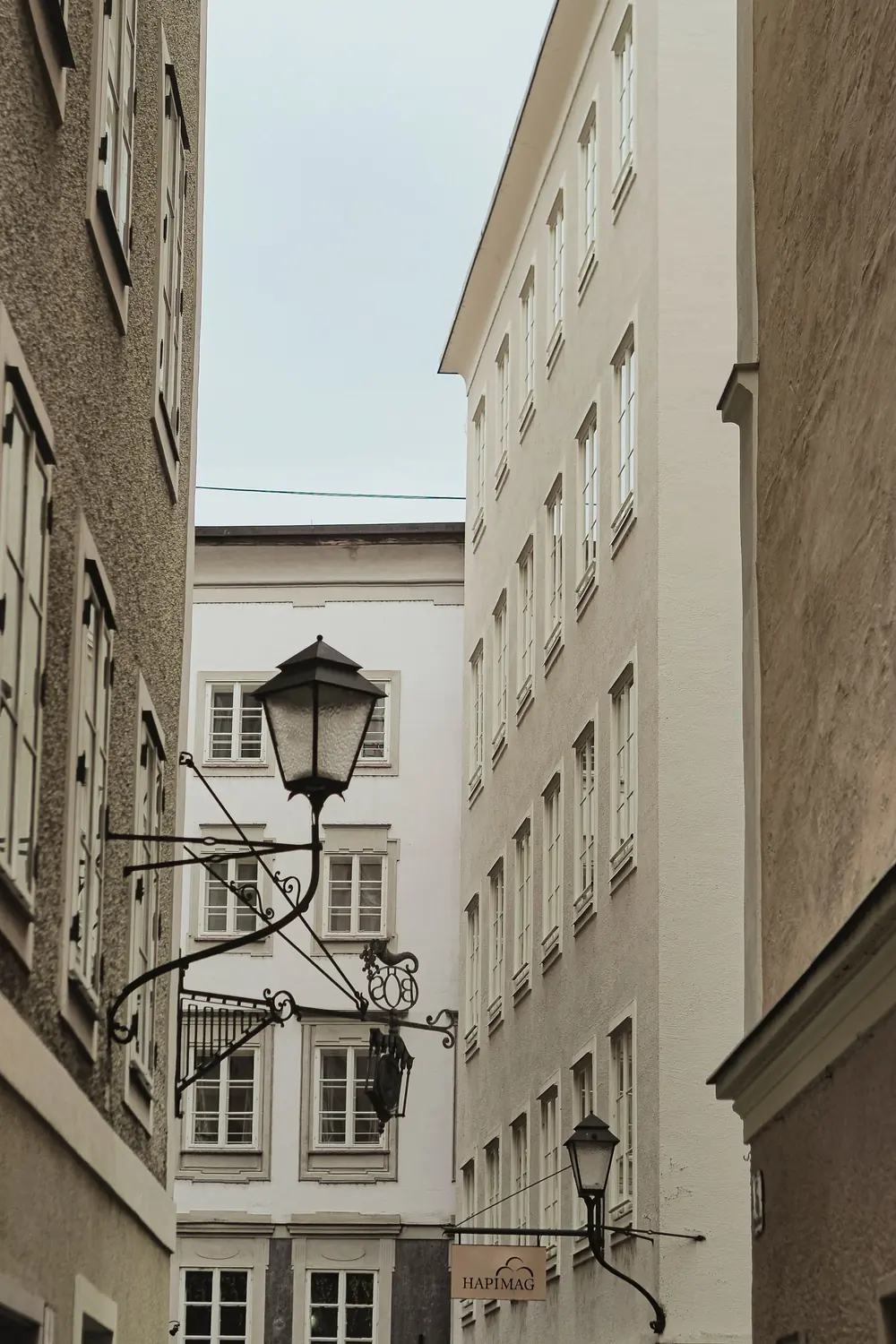
A baroque stage set with extreme scarcity: strict ensemble rules, tourist pressure and some of Austria's highest rents per square metre.
The Danube city rewriting itself — a baroque core, the creative Urfahr bank and stock that is underpriced by Austrian standards.
Alpine walls, alpine prices: valley-floor scarcity, view-axis rules and rents that rival Vienna's best districts.
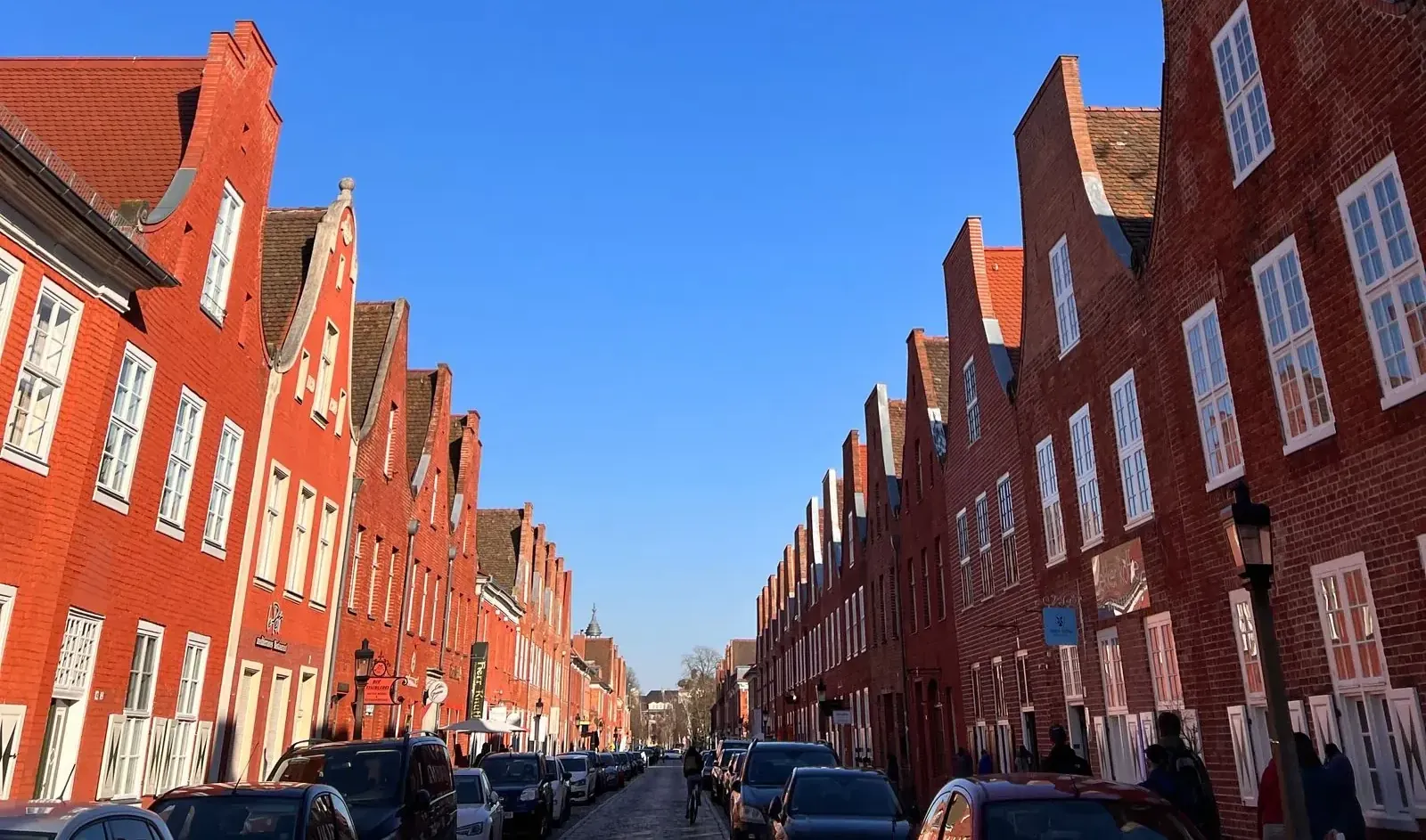
Berlin's quiet twin: Baroque brick quarters, villa belts around Sanssouci — and UNESCO heritage rules that reach deep into renovation planning.
A compact Altbau stock after the war — concentrated in List, Oststadt and the creative Linden belt — with moderate rents and steady expo-city demand.
Sandstone facades and rebuilt lanes under the castle — Bavaria's second city shares Munich's labour market at a fraction of its rents.
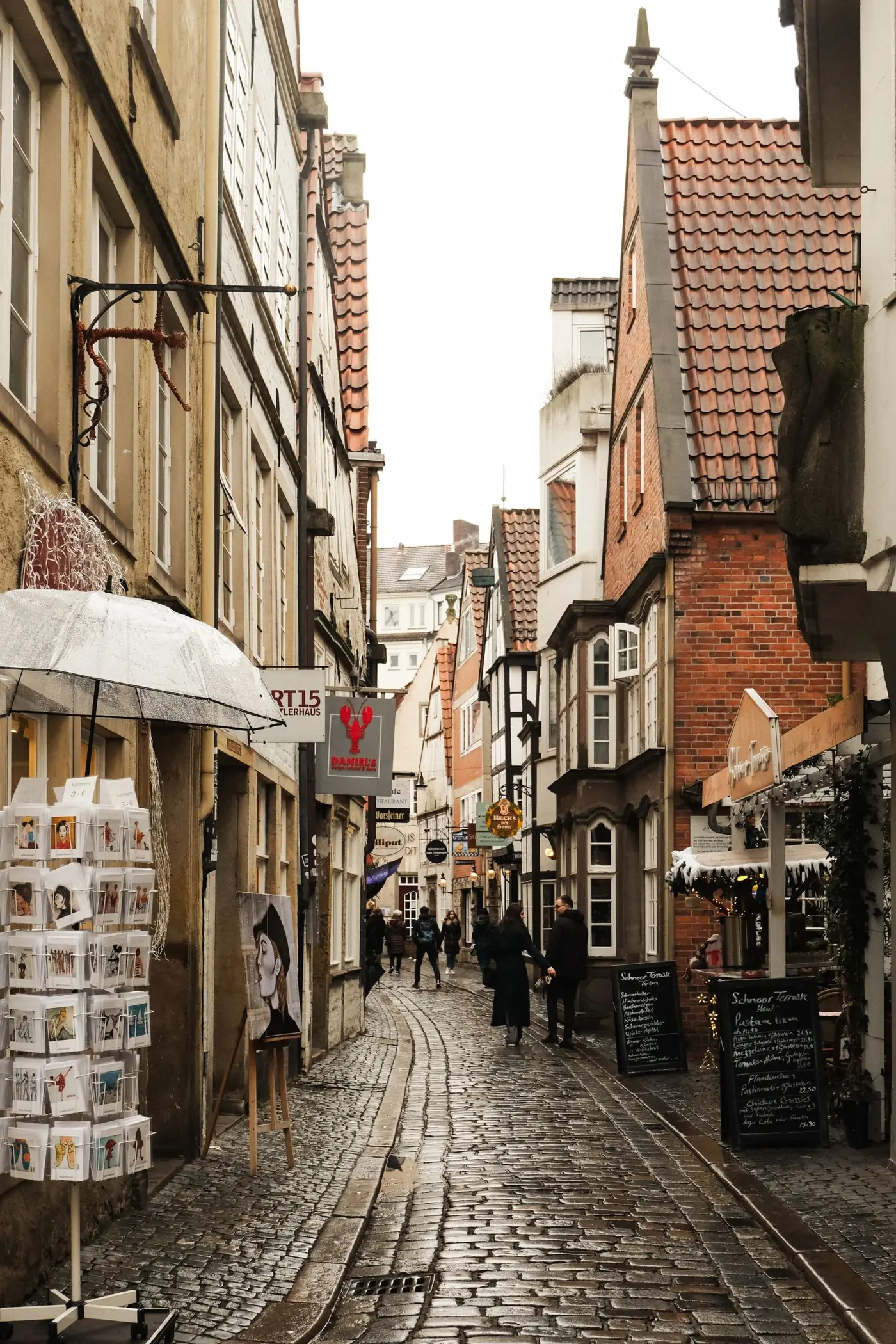
Maritime brick without the Hamburg price tag: the Gründerzeit belt around Ostertor and the value quarter Neustadt lead the Weser market.
Sandstone blocks on the slopes — Germany's steadiest big-city market.
The largest connected Gründerzeit belt — and the friendliest entry price.
Elegant blocks and villas — the fastest-rising rents in the radar.
The Altbau capital — highest rents and the strictest heritage rules.
Germany's best-value Altbau city, with large raw stock to renovate.
Heritage protection taken most seriously — craftsmanship sets the bar.
Brick heritage and a wet climate — moisture is the number-one topic.
The dearest Altbau market in Germany — best-preserved stock, strictest rules.
Westend villas and Nordend tenements — a real renovation-value gap.
All 18 cities: Vienna · Graz · Salzburg · Linz · Innsbruck · Potsdam · Hannover · Nuremberg · Bremen · Stuttgart · Cologne · Düsseldorf · Berlin · Leipzig · Dresden · Hamburg · Munich · Frankfurt
A free, user-submitted directory of renovation firms, tradespeople, letting and sales agents, and energy advisors. Browse with no commission and no fees — or list your own business for free.
Listings are submitted by the businesses themselves and published without verification. altbau.com is not a broker or intermediary and receives no commission. Please read our disclaimer.