Altbau in Munich: beautiful, protected, expensive
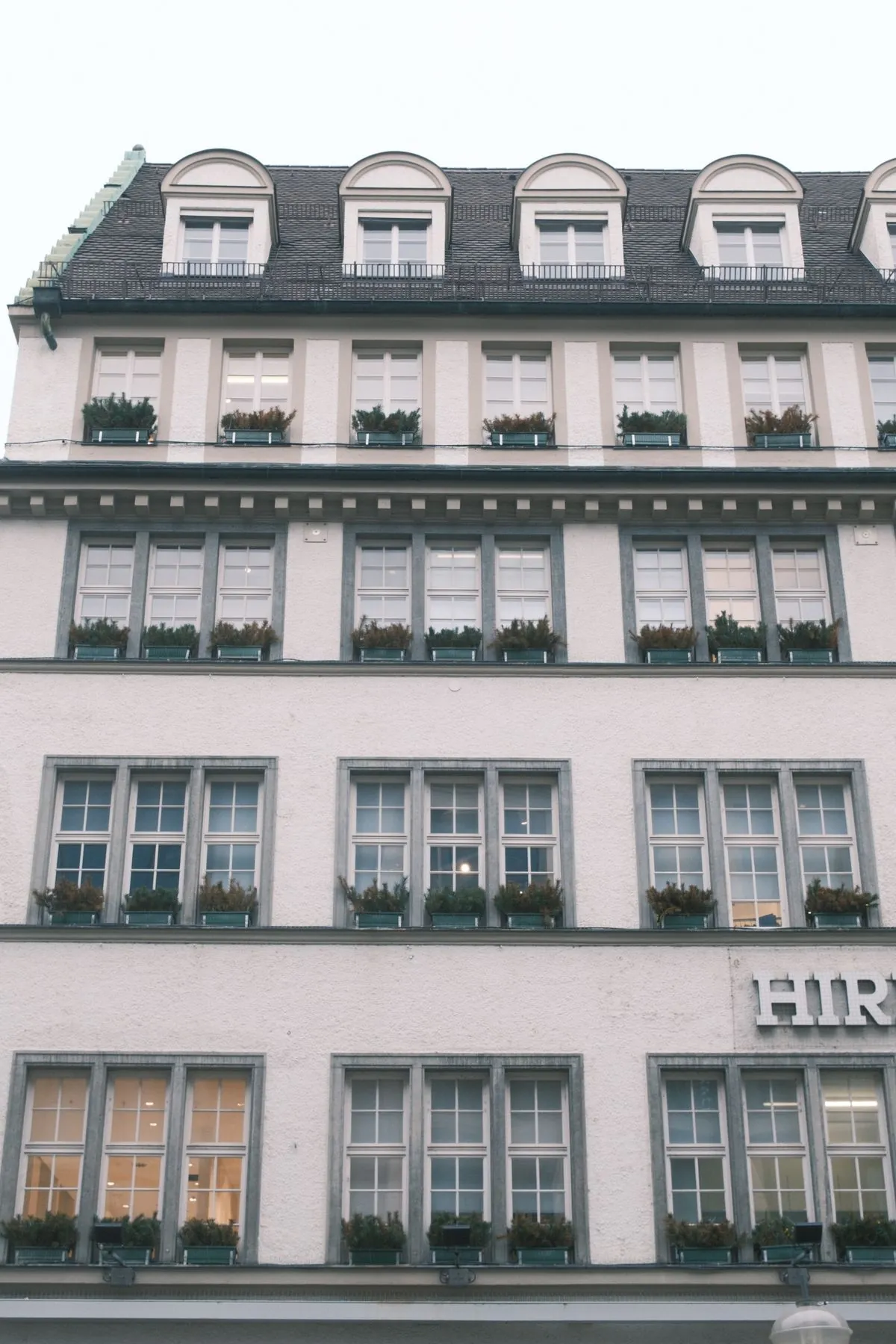
Munich has less Altbau than Berlin and pays more for it — per square metre, it is the most expensive Altbau market in Germany. What survived the war is finely built, tightly protected and fiercely contested. If Berlin is the volume market and Leipzig the value play, Munich is the trophy segment: fewer flats, richer buyers, stricter rules.
Where the Altbau is
- Maxvorstadt & Schwabing — the classic belt: museum quarter, English Garden at one end, the old bohemian Schwabing at the other. The most sought-after (and priciest) addresses.
- Haidhausen & Au — across the Isar: artisan-era blocks, somewhat softer prices, strong neighbourhood feel.
- Glockenbachviertel & Isarvorstadt — lively, dense, partially renovated; the creative heart with a strong neighbourhood culture.
- Neuhausen & Nymphenburg — the quiet west: solid Gründerzeit and Wilhelminian blocks near the palace park, good value by Munich standards.
Rents and prices
| Area | Typical rent (renovated) | Purchase, per m² |
|---|---|---|
| Maxvorstadt / Schwabing (best addresses) | 19–28 €/m² | 9.500–14.000 € |
| Glockenbachviertel / Isarvorstadt | 17–24 €/m² | 8.500–12.500 € |
| Haidhausen / Au | 15–21 €/m² | 7.500–11.000 € |
| Neuhausen / Nymphenburg | 13–19 €/m² | 6.500–9.500 € |
Even unrenovated stock trades at levels other cities charge for showpieces. The Mietpreisbremse exists here too, but with exemptions covering most of the tight market; in practice, asking rents are set freely on much of the stock.
Renovation specifics
- The strictest heritage practice in Germany. Large parts of Schwabing, Maxvorstadt and the old town belt sit under Ensembleschutz or single-object Denkmalschutz. Façade colours, window profiles, even render textures are negotiated with the authorities — expect longer approval times than anywhere else in the country.
- Bavarian trade prices top the table. The calculator's "Munich" factor is real: window and electrical work routinely runs 20–40% above the national average, and Stuckateure with heritage references book out seasons ahead.
- High standards, high resale. Munich buyers reward documented, heritage-accurate renovation; the value spread between restored and merely tidy façades is the widest in Germany.
Before buying a Schwabing or Maxvorstadt flat, check whether it lies in a protected ensemble — and whether the windows are original and listed. Replacing listed windows with the required replica profiles can cost two to three times the standard window budget. Our window cost guide shows the baseline; add the heritage premium on top.
Who Munich suits
Buyers with a top-quartile budget who want the best-preserved stock in the country and accept the process that preserves it; tenants for whom address outweighs area. Who it doesn't suit: first-time buyers on a normal salary, DIY renovators (permits and trade prices both work against you), and anyone in a hurry.
Building history and fabric in Munich
Munich's best-known Altbau quarters — Schwabing, Maxvorstadt, Haidhausen, the Glockenbachviertel and the Au — owe their character to rapid expansion in the late nineteenth century. Where Berlin produced tenement barracks, Munich often built more representative apartment houses with richly decorated street facades, stucco ceilings, broad stairwells and deeper yet better-lit floor plans. Jugendstil and neo-Baroque mixed into the Gründerzeit; some streets read today like a catalogue of facade fashions from 1890 to 1910.
The fabric matches that ambition: rendered facades with stucco cornices, window hoods and floral ornament, behind them brick masonry on timber beam floors. That facade is the most expensive and most sensitive part of a Munich renovation, because many buildings sit in protected ensembles or are listed individually. Anyone considering external insulation must first establish whether profiles, cornice heights and window reveals may be altered at all — internal insulation, with all its moisture risks, is often the only permitted route.
Renovating in Munich: ensembles and high standards
The Bavarian state heritage office maintains monuments and ensembles, supplemented by municipal bylaws and design guidance. In practice, facade work, window replacement, dormers and balcony additions need agreement before a contractor quote is signed. At the same time a qualified rent index and a tight market shape every modernisation calculation — the legal framework belongs in the budget, not in the post-mortem.
- Plan the facade first — record stucco, cornices and reveals; in protected ensembles, changes to appearance are frequently excluded.
- Control internal insulation — where external insulation is ruled out, vapour control, reveal insulation and radiator niches decide whether condensation becomes a problem.
- Check sound insulation — towards the street and neighbouring flats, windows and separating floors are the weak points, not the external wall itself.
- Align funding — combine KfW/BAFA grants with heritage constraints; a staged plan prevents expensive redesign.
Munich trades sit at the upper end of the price range and demand for Altbau flats is high. That is an argument for sequence rather than against renovation: survey and permissions first, then envelope and windows, then heating and interiors. Reversing that order means paying twice.
Price a Munich renovation honestly
Select the "Munich" region factor in the calculator — it applies the city's trade-price premium automatically.
Open the calculatorRent and price figures are researched indicative ranges (October 2026) and vary strongly by street, condition and floor. No paid recommendations.