Damp and mould in an Altbau: causes, fixes and what makes it worse
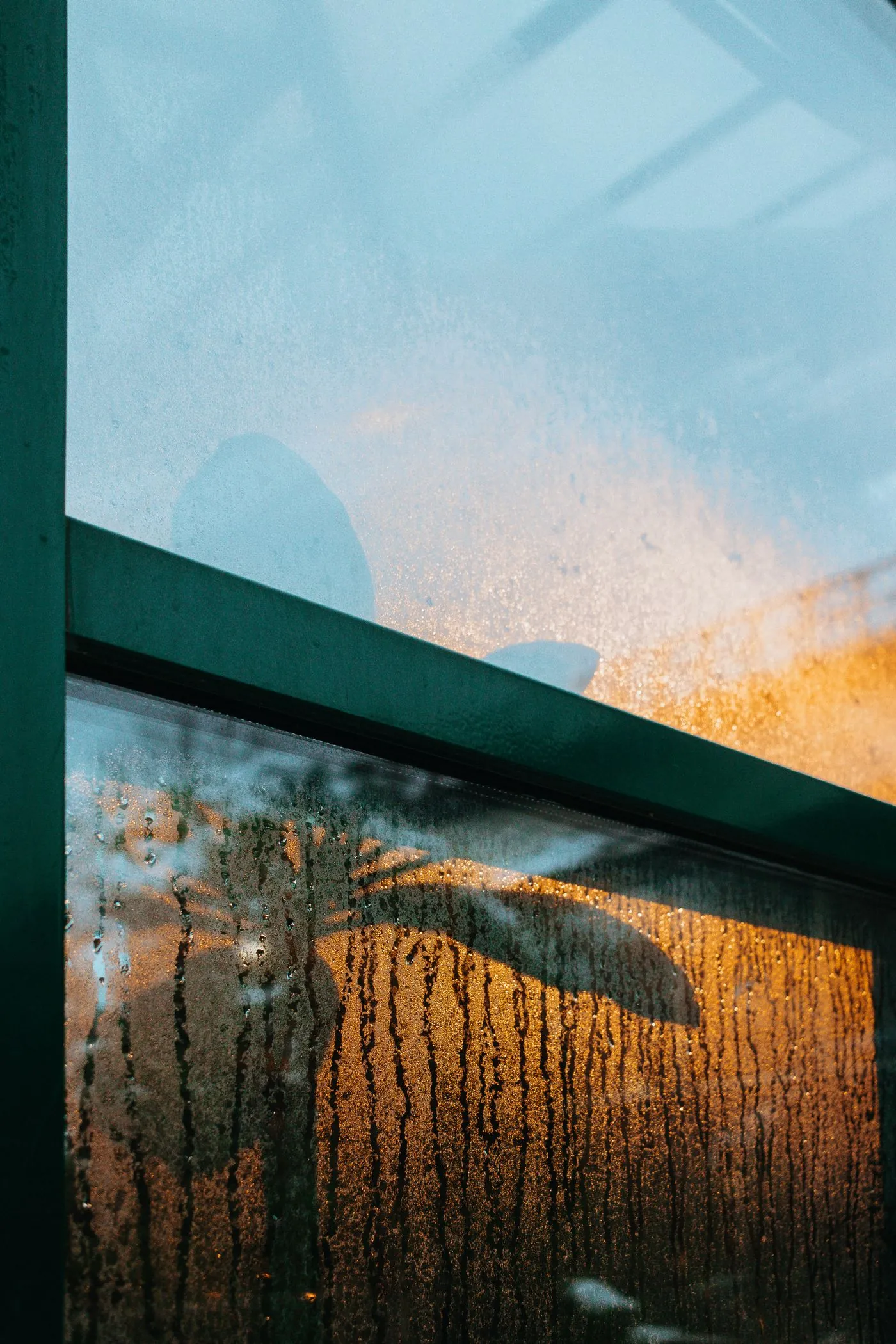
Mould in an Altbau is rarely a mystery and almost never the tenant's "fault". It's physics: solid walls, moisture production and heating habits interacting. Fix the physics and the mould goes; fight the symptom and it returns.
Why Altbau walls behave differently
Old walls are built from brick and breathable lime plaster. They absorb moisture, move it through the wall and release it to the room. This works — as long as nothing blocks it. The most common self-inflicted damage is sealing the wall: vinyl wallpaper, acrylic paint, closed furniture against cold outer walls. The moisture can't leave the room and condenses exactly where the wall is coldest: corners, window reveals, behind wardrobes.
The three real causes
- Too little ventilation. A four-person household puts 10–14 litres of water into the air daily. If it never leaves, walls above 80% surface humidity grow mould.
- Too little heat. Unheated rooms cool the wall surfaces below the dew point. Cold rooms behind closed doors are mould rooms in waiting.
- Genuine building defects. Rising damp, open joints, leaking gutters or thermal bridges at ceiling edges. These are the landlord's/owner's repairs.
What actually works
- Cross-ventilation, 2–3× daily, 5 minutes. Windows wide open on opposite sides. A tilted window all day wastes heat and barely ventilates.
- Heat all rooms, at least 16–18 °C. Closing off cold rooms moves the mould, it doesn't prevent it.
- Distance to outer walls. 5–10 cm of air between furniture and cold walls lets surfaces dry.
- Restore breathability. Remove vinyl wallpaper, repaint with lime or mineral paint. This is the single most effective renovation in mould-prone flats.
- Hygrometer, €10. You can't manage what you don't measure: 40–60% relative humidity is the target band.
Mould that returns every winter in the same ceiling corner, or a tide-mark climbing from the skirting, points to thermal bridges or rising damp. These need professional diagnosis — surface cleaning won't fix them, and in tenancies, they fall under the owner's repair duty.
Rent law in one paragraph
Tenants must heat and ventilate "properly" (the legal term is sachgemäß), and persistent mould from clearly negligent use is on the tenant. But structural causes — leaking roofs, defective heating, missing insulation — are owner obligations, and rent reduction for uninhabitability is possible. Document everything in writing and with photos.
Frequently asked questions
Is moisture in an old building always a sign of damage?
No. Solid masonry absorbs and releases moisture; a higher reading at a cold external corner can be seasonal. What matters is the pattern, the location and whether the area dries again after ventilation.
Does cross-ventilation help against mould?
It lowers indoor humidity quickly without cooling the walls, which is usually better than leaving windows tilted permanently. It does not replace finding the cause when water comes from outside, from a pipe or through rising damp.
When should a professional be called in?
When growth returns after ventilation, when water is visible, when plinths stay damp, or when the masonry itself is suspected. Measuring humidity without examining the fabric often leads to the wrong repair.
Renovating a damp flat?
Our calculator shows what a mould-driven renovation (plaster, paint, windows) typically costs.
Open the calculatorGeneral guidance, not legal advice — tenancy specifics vary by case and state. No paid recommendations.