Sanding floorboards: a guide for brave DIYers
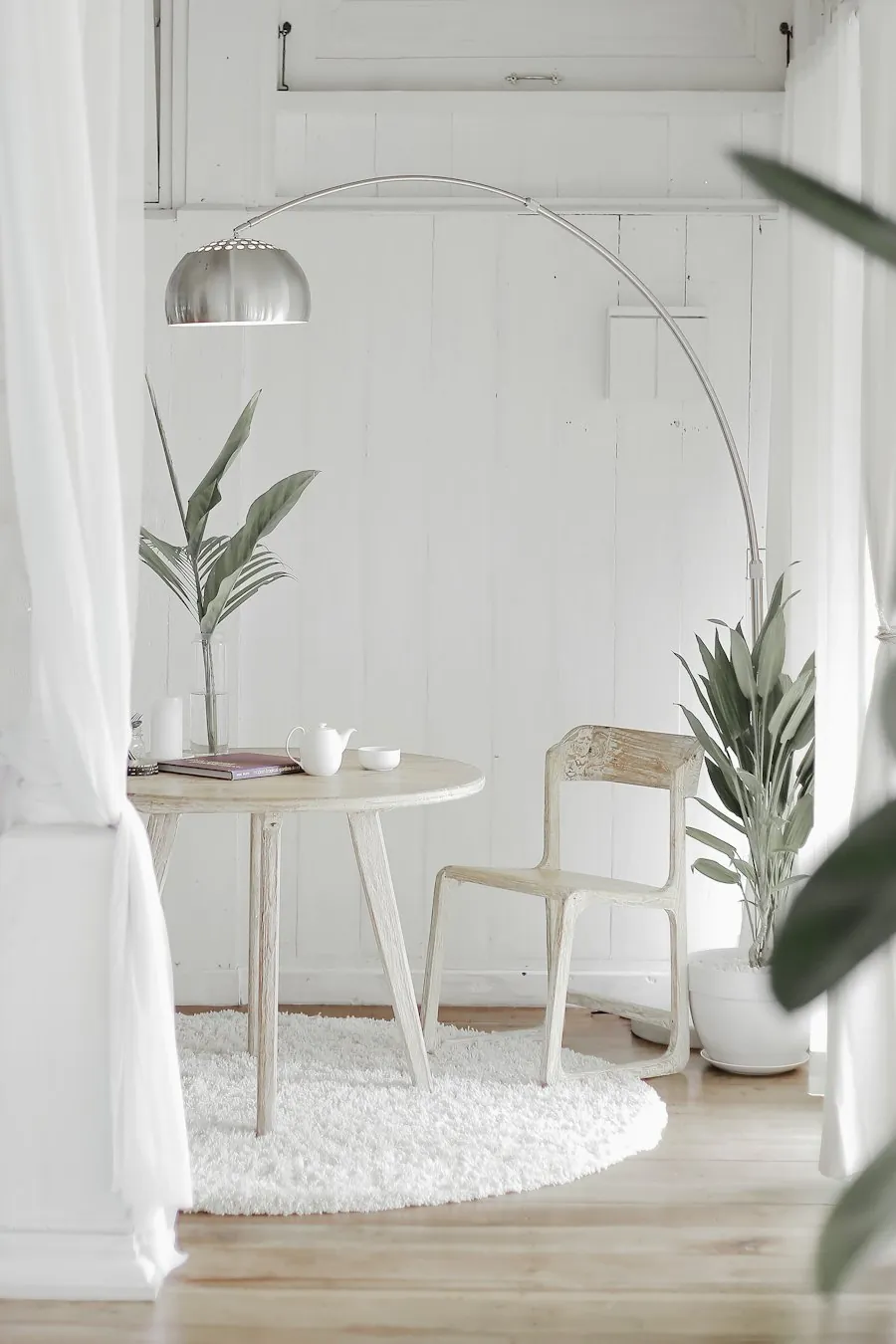
Under decades of carpet glue and vinyl, almost every Altbau hides a board or parquet floor that can shine again with a weekend's work and around €400. Sanding is demanding but doable — if you know the sequence and rent the right machine.
Costs: DIY vs. tradesman
| Item | DIY (80 m²) | Tradesman (80 m²) |
|---|---|---|
| Sander rental (weekend) | 120–180 € | — |
| Abrasive paper, edges, safety gear | 80–120 € | — |
| Oil / lacquer / sealer | 150–250 € | — |
| Labour | 0 € (dein Wochenende) | 1.200–2.400 € |
| Total | 350–550 € | 1.500–2.800 € |
The grit sequence: coarse to fine
- Coarse (36–40): removes lacquer, glue and waviness. This stage decides everything — don't hold back, but always sand with the grain, never across.
- Medium (60–80): smooths out the coarse scratches. Only now do stains and edges show their true state.
- Fine (100–120): makes the floor ready for finishing. Then: vacuum thoroughly, damp-clean the room, allow a day for dust to settle.
The big drum sander can't reach corners and walls. Definitely rent the edge sander too — usually just €20–30 extra per day, and the difference between "nearly done" and "oddly dark border". Alternative: a hand-held orbital sander for the last 5 cm.
Oiling or lacquering?
- Oil (2 coats): natural look, spot-repairable, needs refreshing every 3–5 years. The Altbau purist's choice.
- Lacquer / sealer (2 coats): low-maintenance and wear-resistant, but damage usually means re-sanding everything. Better for landlords and heavy use.
- Hardwax oil: the compromise — as low-maintenance as lacquer, as repairable as oil. Often the best choice for Altbau boards.
One more thing: boards that have already been sealed once rarely survive being sanded down to bare wood twice — ask a floor fitter how much substance is left if in doubt.
Frequently asked questions
How often can old floorboards be sanded?
It depends on the remaining thickness above the tongue and on nail position, not on age alone. Before each further pass, check that enough wood remains above the joint.
When should you not sand them yourself?
With loose or heavily cupped boards, suspected dry rot, visible nail heads, or underfloor heating in the screed. An aggressive machine does more damage here than the floor is worth.
Which finish suits period floorboards?
Open-pore oils emphasise the grain and can be touched up locally; lacquers form a closed, harder-wearing film. The choice depends on use, pets and whether partial repairs should remain possible later.
How does floor sanding fit your budget?
Add up all the trades in your renovation — including your own labour.
Open the calculatorNote: indicative values, not legal advice. Questions for the editors: hello@altbau.com