Heating an Altbau: costs, systems and what actually works
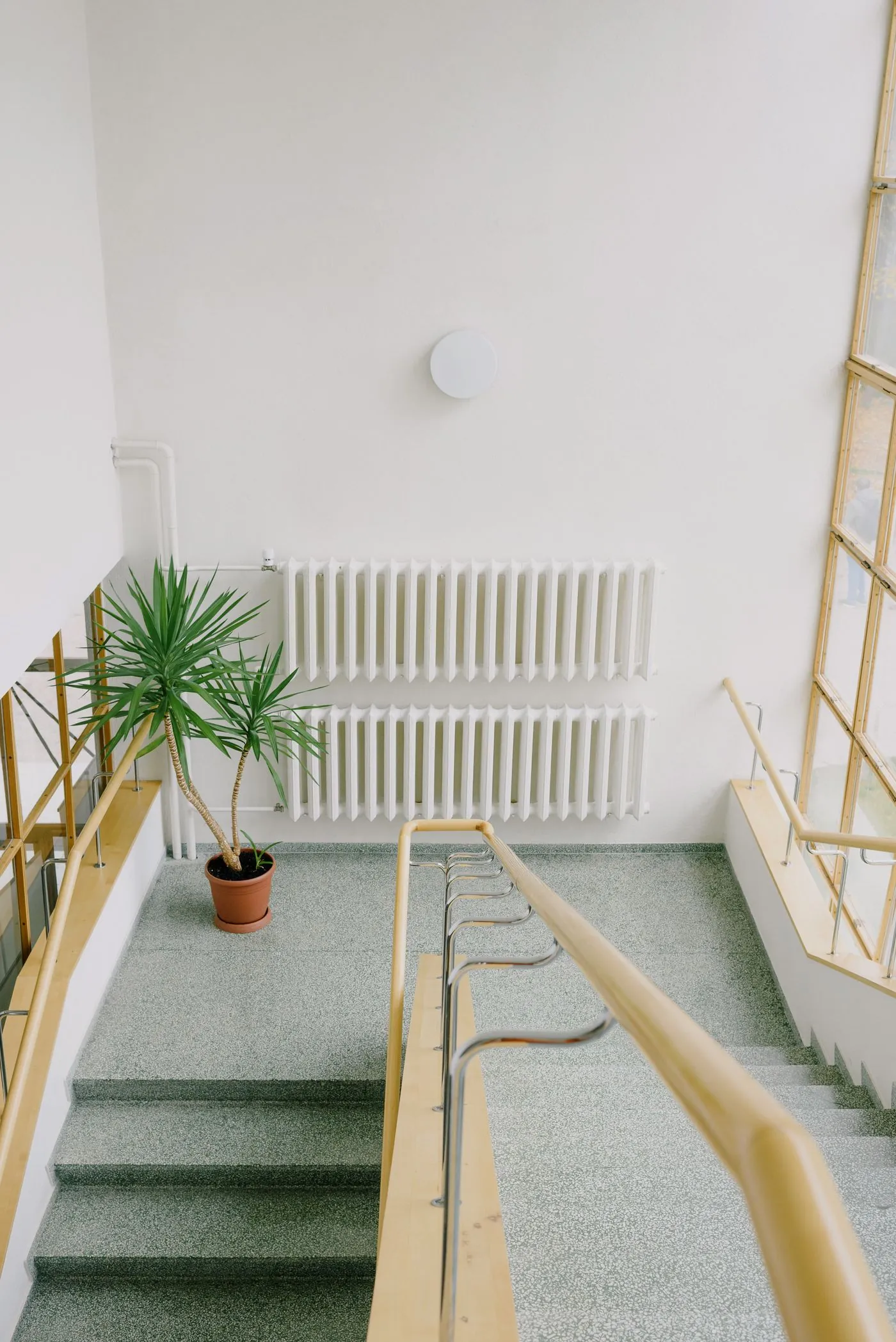
The single biggest running cost in an Altbau flat is heat, and the reason is geometry: 3.4 m ceilings, uninsulated exterior walls and old windows mean roughly 40–60% more energy per square metre than a 1990s apartment of the same floor area. Here's what it costs, which systems fit an old building, and what to fix first.
What heating actually costs per year
| Flat (75 m², 3 rooms) | Consumption | Annual cost |
|---|---|---|
| Altbau, old windows, gas, no insulation | 180–220 kWh/m² | €1,900–2,600 |
| Altbau, new windows, gas | 120–150 kWh/m² | €1,300–1,800 |
| Altbau, new windows + top-floor ceiling insulated | 90–120 kWh/m² | €1,000–1,400 |
| Post-2000 building, same size | 60–90 kWh/m² | €700–1,100 |
The gap between row one and row three is the whole argument for renovation. Note that the biggest single drop usually comes from windows, not from the boiler.
Which system fits an Altbau
Old buildings were designed around large radiators and high flow temperatures. That constrains what you can retrofit:
- Gas condensing boiler: the default replacement today and the cheapest swap. Still the pragmatic answer in most Altbaus, though the political direction is clearly away from it.
- Heat pump + existing radiators: works only if you first enlarge radiators or improve the envelope. At 75°C flow temperature a heat pump is expensive to run; at 45–50°C it is competitive.
- District heating (Fernwärme): common in Leipzig, Dresden and parts of Berlin. Little choice involved — you connect or you don't.
- Pellets or wood: realistic in a house, rarely in a flat; needs space and chimney approval.
Before spending €15,000 on a heat pump, spend €2,000 on twice as much radiator surface in the two coldest rooms. Surface area, not technology, is what lets you lower the flow temperature — and low flow temperature is what makes any efficient system cheap to run.
Where the money actually goes
- Windows first. €400–900 per window, and they cut consumption by 20–30%. Nothing else in the building performs this well per euro.
- Top-floor ceiling. If you have the attic above you, ceiling insulation is cheap, invisible and effective. €1,500–3,000 for a flat.
- Basement ceiling. Only worth it if the cellar is cold and your floors are. €1,000–2,000.
- Hydraulic balancing. €300–800. Not a saving in itself, but it makes every other measure work and often cuts the bill 5–10% on its own.
- Insulating the facade. Effective, but usually a whole-building decision, subject to heritage rules, and rarely something one owner can do alone.
Heritage protection and the facade
Listed Altbaus (Denkmalschutz) usually forbid exterior insulation on visible facades and full window replacement in listed fronts. In practice this means interior insulation of the coldest wall — done carefully with a vapour-tight system, or you move the damp problem into the masonry. Talk to the Denkmalschutzbehörde before commissioning anything visible from the street.
Tenant or owner?
Tenants can claim a reduction in rent (Mietminderung) if the heating genuinely fails, but cannot force modernisation and must tolerate the "modernisation surcharge" (Modernisierungszuschlag) of up to €3/m² when the landlord installs a new heating system. Owners carry the whole decision — and should sequence heating after the envelope, not before it.
Sources and verification
- Heizkostenverordnung
- Verbraucherzentrale — Heizen und Heizkosten
- Statistisches Bundesamt (Destatis) — Energiepreise
These primary sources are starting points for verifying the framework. Rates, programmes and deadlines change; the version currently in force applies. Figures on this page are orientation only, not a quote or professional advice.
Model your heating numbers
The calculator places heating alongside windows, electrics and everything else in the renovation budget.
Open the calculatorCosts are researched indicative values (October 2026) and vary by region. Heating work must be carried out by licensed installers and registered with the chimney sweep (Schornsteinfeger) where applicable. No paid recommendations.