A damp cellar in a period building: cause first, repair second
Why the cellar of a period building is its own subject
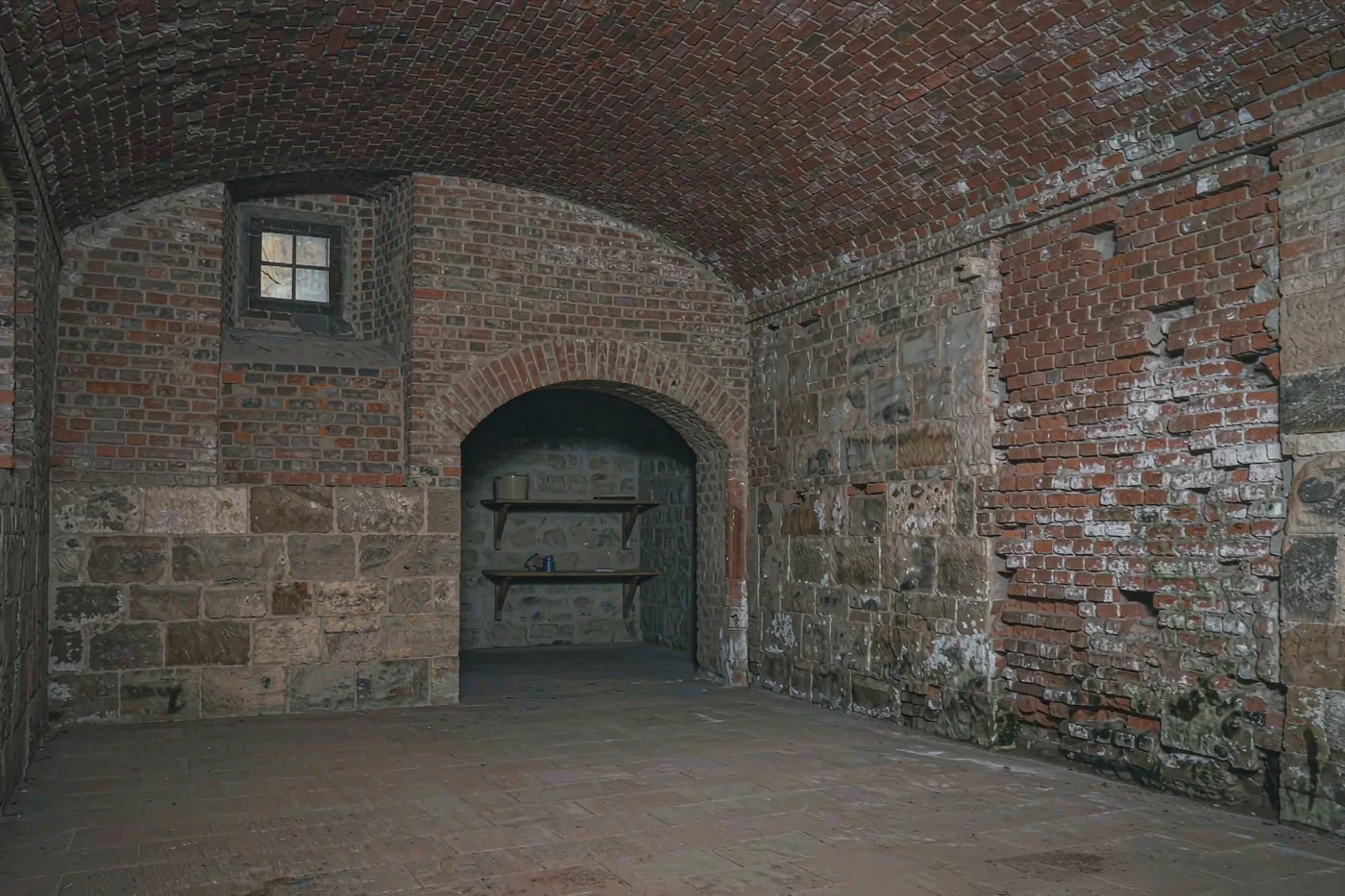
The cellar of an older building is not a normal floor. It was typically planned as a coal and storage basement, not as living space: low ceilings, small windows, ventilation through light wells, and walls standing directly in the earth. Many buildings from the late nineteenth and the interwar decades were later intensified — lift shafts, laundry rooms, boilers — without the cellar construction being designed for it.
One principle follows from this: damp in a cellar is not by itself the sign of a bad house, but a question of construction and use. It becomes relevant when mould grows, salts destroy the wall, the room is meant to be used, or moisture climbs into the wall fabric above. Exactly at that line the cellar stops being a side issue.
Where the water comes from: three different routes
Cellar damp has three fundamentally different sources, and they demand different measures. Ground and standing water push against the outside face of the wall when the soil is water-bearing or water cannot drain. Construction moisture, by contrast, is stored in the masonry itself — from the build period or from decades of rising damp. And condensation plus use-related moisture is produced inside the room: warm humid air settling on cold cellar surfaces, plus dryers, laundry racks and open water connections adding more.
The distinction is not theory. A measure that helps against condensation does nothing against pressurised water — and an interior barrier against pressurised water can push the moisture higher up the wall when no exterior waterproofing and no drainage exist. Not knowing the cause means paying for the same site twice. The damp and mould page explains how the sources differ in living space; in the cellar the same care is needed, with higher stakes.
What cellar moisture actually does
Moisture shows itself first as efflorescence, salt stains, flaking paint and a musty smell; over longer periods as mould on wall surfaces and corroding components. What stays invisible is what damp does to the fabric: salt crystallisation can destroy render and masonry near the surface, permanently soaked zones lose substance, and timber joists in the cellar zone become susceptible to fungal attack — a subject covered in the companion article on dry rot.
There is also the energy side: a damp cellar loses heat faster and can act through an untreated cellar ceiling into the living space above. Anyone planning to insulate the cellar ceiling should first establish that the cellar is dry — insulation on a damp surface conceals the problem and can make it worse. The Sanierung, Renovierung and Modernisierung page places cellar works within the wider sequence of a renovation.
The right order: measure before anything is sealed
The most common mistake with wet cellars is the sequence: first a quote for an interior seal, then a diagnosis. The sensible order is the opposite. What has to be established first is the type of moisture: readings of the masonry moisture, an assessment of component temperatures and outside conditions, in doubt a hygrothermal look at the wall build-up. Only then can it be decided whether waterproofing, drainage, structural repair, or simply a different use of the room is the right goal.
This sounds more laborious than it is. The survey of an experienced surveyor costs a fraction of a wrong seal, and its result protects against the most common false solution: the interior tub against pressurised water. Documented results are also worth having when later trades work in the house or it is sold. The measure matrix helps keep diagnosis, waterproofing and follow-up work as separate items.
Ventilating and heating: the underestimated part
Many cellar moisture problems can be defused considerably by correct ventilation — but the rules differ from the floors above. The classic mistake is summer airing: warm outside air carries a lot of moisture that condenses on the cold cellar surfaces. Correct airing happens when the outside air is cooler and drier than the cellar air — often the case in winter, often not in high summer.
Anyone using the cellar as a hobby room, laundry or drying room must also watch the moisture produced inside: racks and dryers release litres of water into the room air. A forced extractor on the dryer, short intensive airing instead of continuous airing with humid summer air, and an eye on the wall surfaces replace many an expensive renovation here. A hygrometer in the cellar is the cheapest diagnosis there is.
What proper cellar waterproofing consists of
The load-bearing solution against pressurised and seeping water is waterproofing from the outside: excavating the cellar wall, rebuilding the waterproofing plane and diverting water through a drainage layer with controlled discharge. That is earthworks, access and shoring planning, and it costs more than an interior solution — but it is the only variant that keeps water away from the wall instead of merely blocking its path. Waterproofing is one of the fields where recognised technical rules apply; anyone commissioning planning and execution should ask for references for exactly this work.
Interior systems exist as supplements — against non-pressurised water or rising damp, with very different chemistry and build-ups. They are a question of the diagnosis: applied against the wrong water, they shift the moisture instead of removing it. Again: no quote without a prior assessment of the water type. And every opening of the cellar slab, for instance for an interior floor plate, belongs in a reviewed overall plan.
Use, tenancy and responsibility
Whether a dry cellar is part of the contract depends on what the room is let for. As ancillary storage, a cellar is acceptable with some dampness; as a self-contained, heated hobby or living space it must meet the requirements of a usable room. Tenants do well to report visible moisture, mould or musty smell in writing rather than airing until the masonry suffers; the rent-reduction page explains when a defect exists.
For owners it pays to look into the building file: are there measurements, renovation records or notes on drainage? When buying a period property, the state of the cellar belongs on the list — not because a damp cellar is a demolition criterion, but because drying it out is a planning item. The viewing checklist helps ask such questions systematically instead of discovering them after completion.
Cost types rather than prices
This guide deliberately gives no figures. The effort of a cellar renovation depends on the water type, the depth and accessibility of the cellar, whether walls can be excavated, on drainage, disposal, insulation and the reinstatement of the outside areas. What holds up is the structure: diagnosis and assessment, planning and tendering, earthworks and excavation, waterproofing and drainage, slab and wall works, ventilation concept, reinstatement and documentation.
Two quotes only become comparable when the same items are included. A quote that treats only the interior surface and one that includes excavation and drainage do not differ in price but in the task. Check which water type the quote presumes — and who answers for that assumption in writing.
Limits of this guide
Which moisture type is present in a specific cellar and which solution will hold is decided by the professional investigation on site — not by an article online. Legal requirements for waterproofing and drainage can change; the linked institutions are the starting point for verification.
This is general orientation, not construction, legal or surveying advice. There are no paid recommendations and no links to remediation companies. What counts is the diagnosis on site, a written quote and execution to the recognised rules of technology.
Sources and verification
- dena — German Energy Agency: energy retrofits in existing buildings
- UBA — German Environment Agency: health in indoor spaces
- DIBt — German Institute for Building Technology (rules of technology, German original)
These primary sources are starting points for verifying the framework; requirements and deadlines are set by the responsible authority in each case. No paid recommendations.
Frequently asked questions
Is ventilation enough against a damp cellar?
Only against condensation and use-related moisture — and there only when cool, dry outside air is available. In high summer, airing with warm air can even raise the moisture, because it condenses on cold wall surfaces. Ventilation does nothing against pressurised ground water; there the construction of the waterproofing decides.
Why is sealing from inside so controversial?
Against pressurised water, an interior barrier can push the moisture higher up the wall when no exterior waterproofing and no drainage exist. It is not a substitute but a component whose effectiveness depends on the diagnosis before it. Without a clarified water type it is a risk.
Do I need a fully dry cellar to use it?
That depends on the use. As pure ancillary storage, a cellar is acceptable with some dampness. As a room to spend time in, it must meet the requirements of a usable space — which starts with a clarified cause, not with a measure. The decision belongs after the diagnosis, not before it.
Planning work on an old building?
Windows, wiring, heating, floors — model every line item before you get quotes.
Open the calculatorFor orientation only — requirements depend on the building, the state and the lease. No legal, tax or energy advice. Questions for the editors: hello@altbau.com