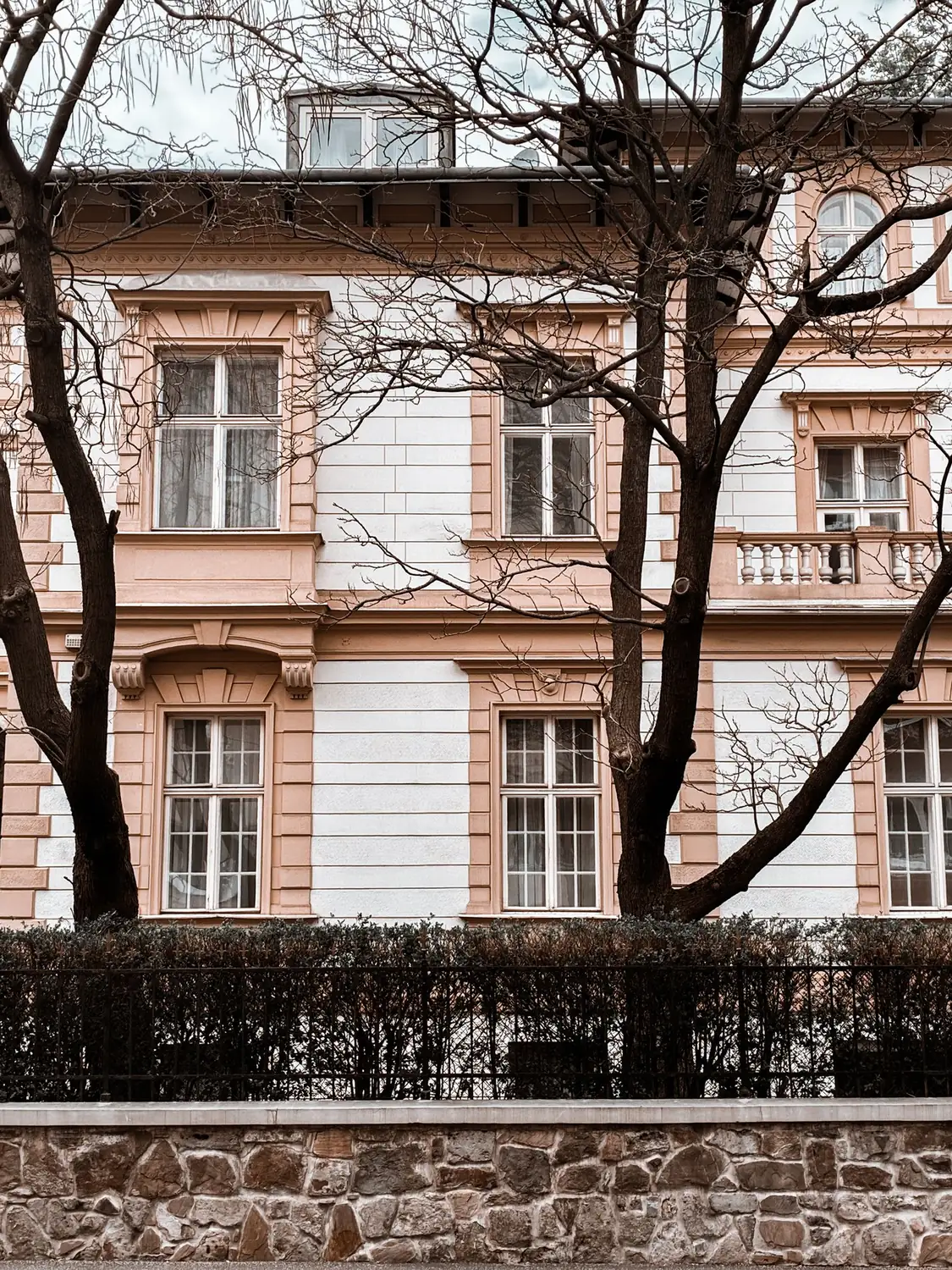
Vienna
Europe's largest connected Gründerzeit stock — whole districts are pre-1914, rents run under the MRG and renovation follows Austrian rules, not Germany's.
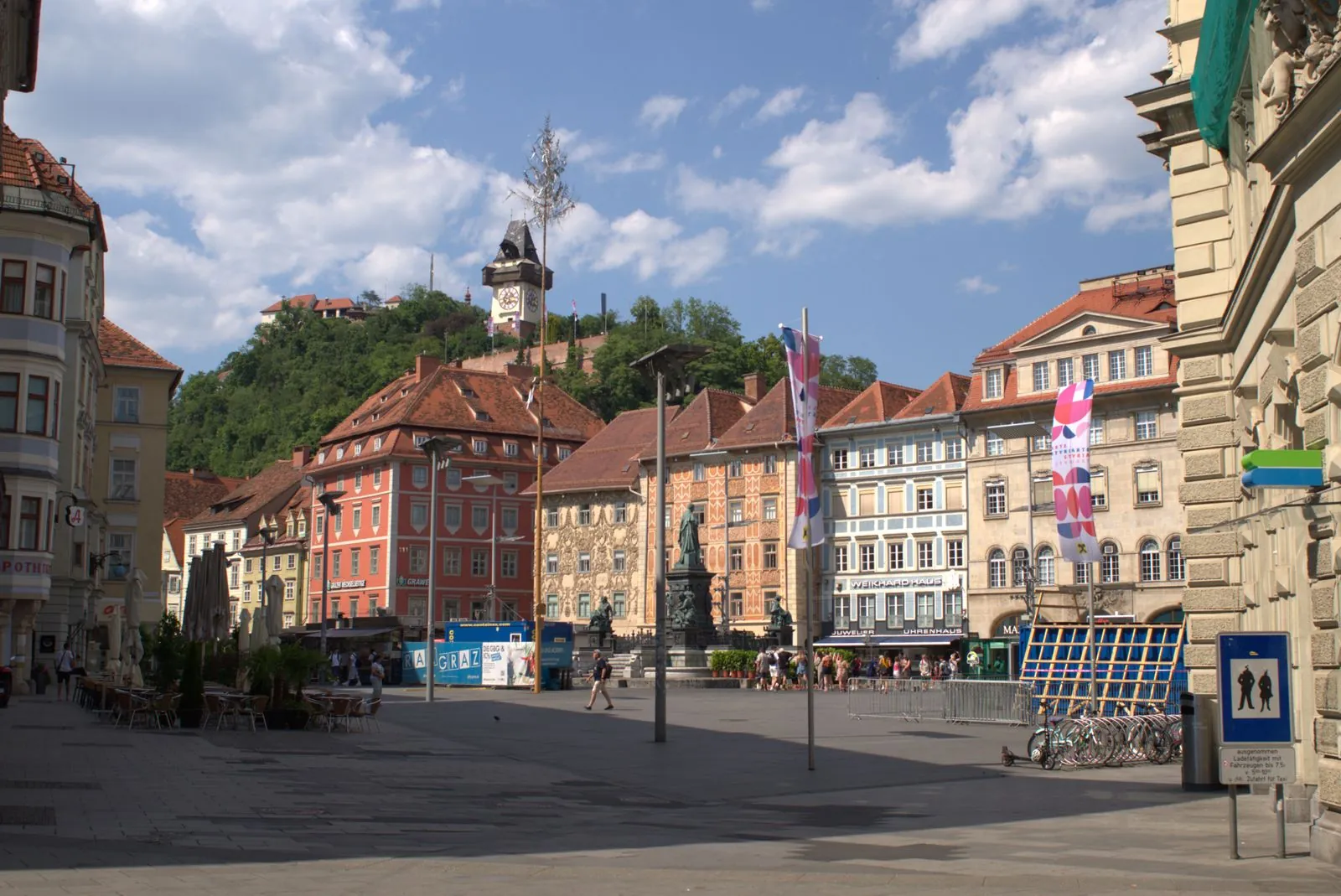
Graz
Austria's student city: a UNESCO old town, the creative Lend belt along the Mur and generous supply at notably softer prices.
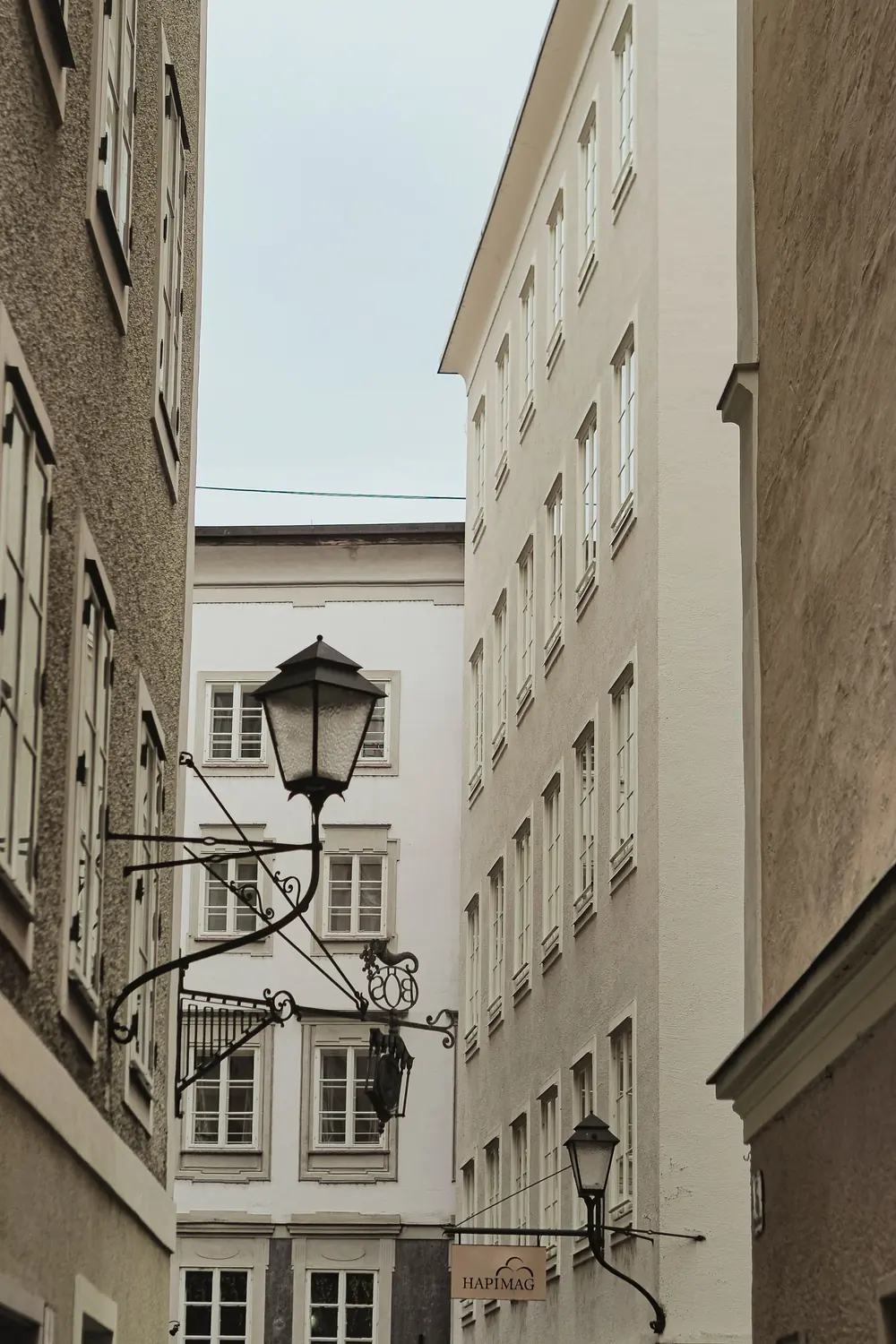
Salzburg
A baroque stage set with extreme scarcity: strict ensemble rules, tourist pressure and some of Austria's highest rents per square metre.
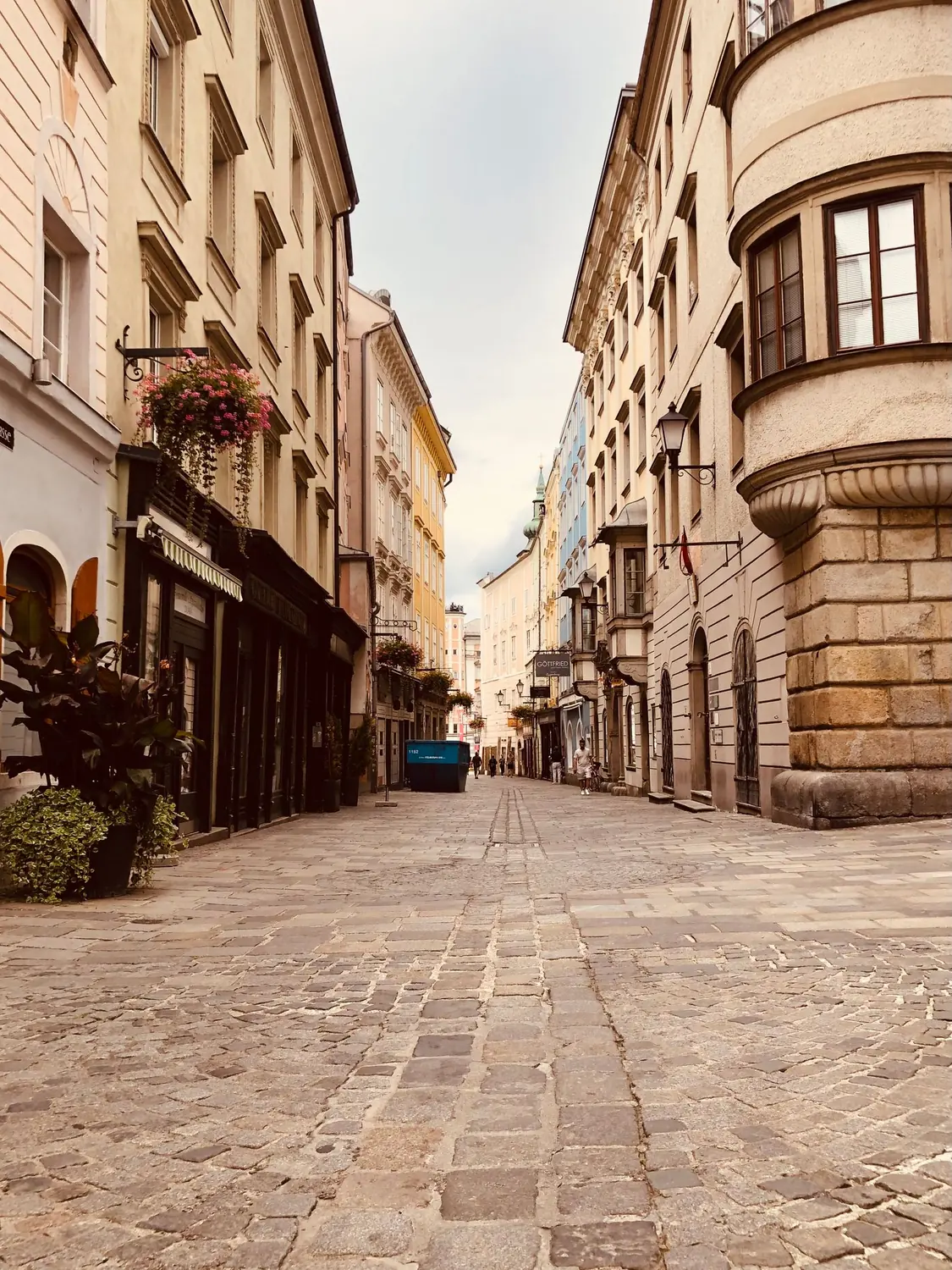
Linz
The Danube city rewriting itself — a baroque core, the creative Urfahr bank and stock that is underpriced by Austrian standards.
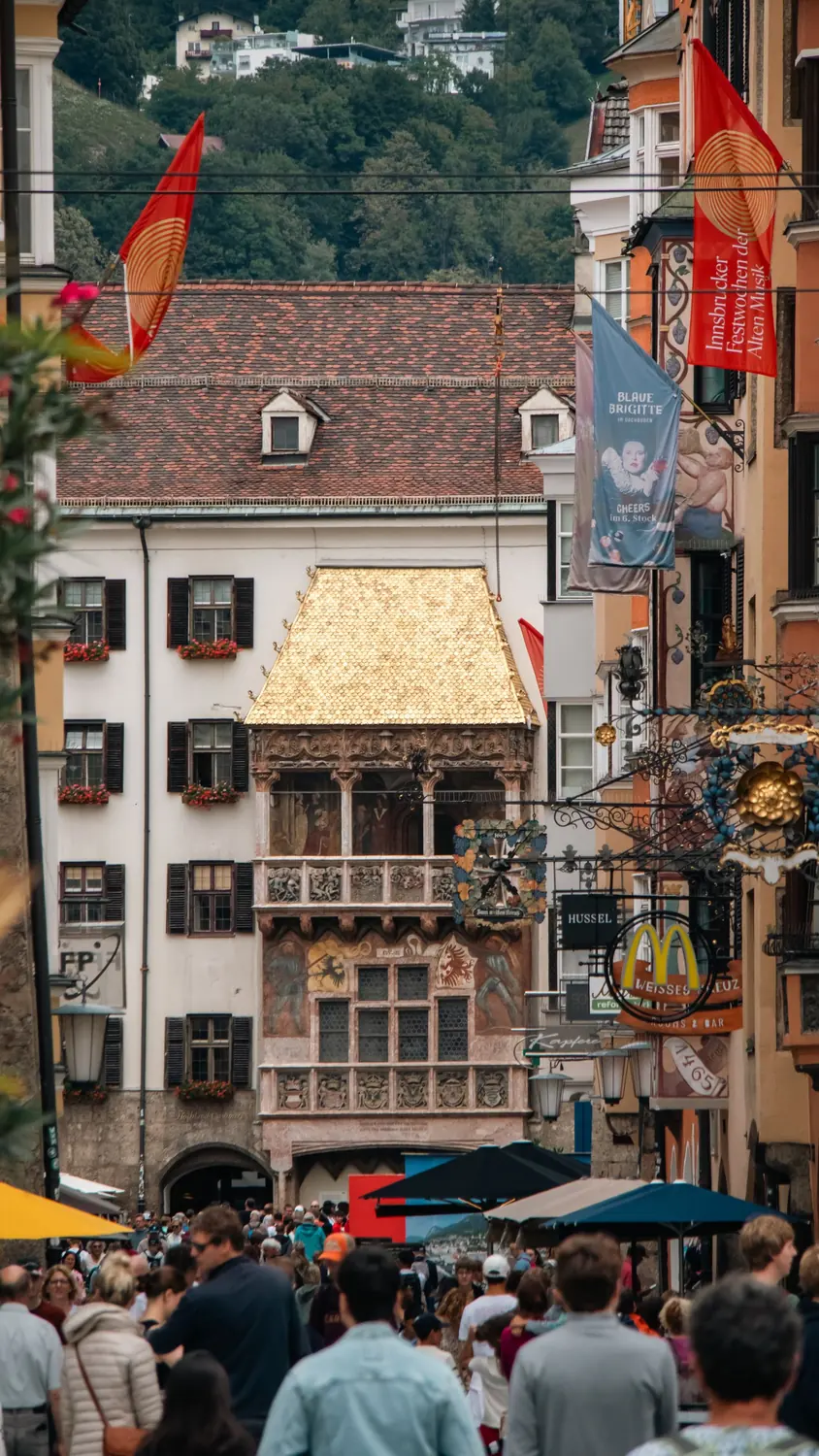
Innsbruck
Alpine walls, alpine prices: valley-floor scarcity, view-axis rules and rents that rival Vienna's best districts.
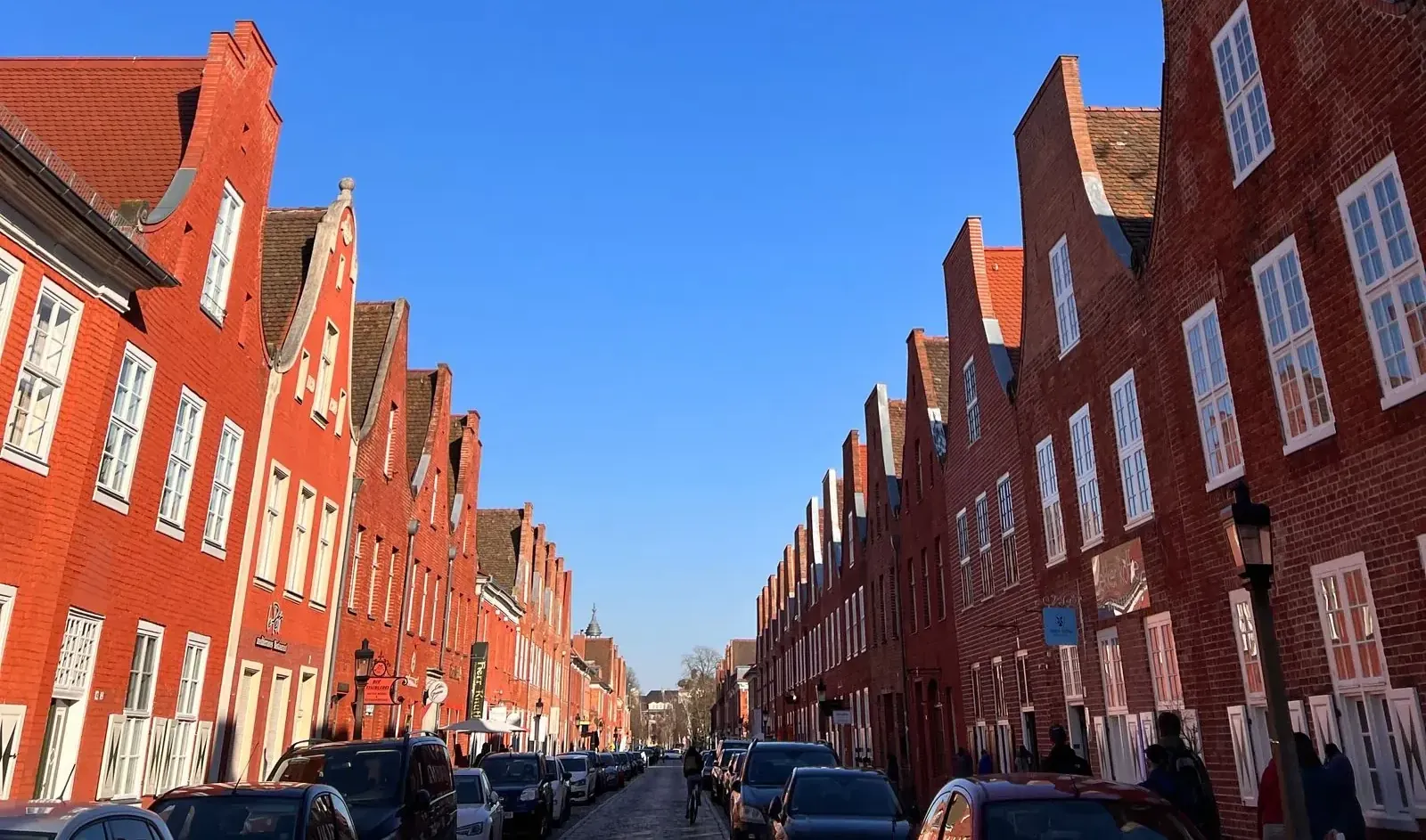
Potsdam
Berlin's quiet twin: Baroque brick quarters, villa belts around Sanssouci — and UNESCO heritage rules that reach deep into renovation planning.
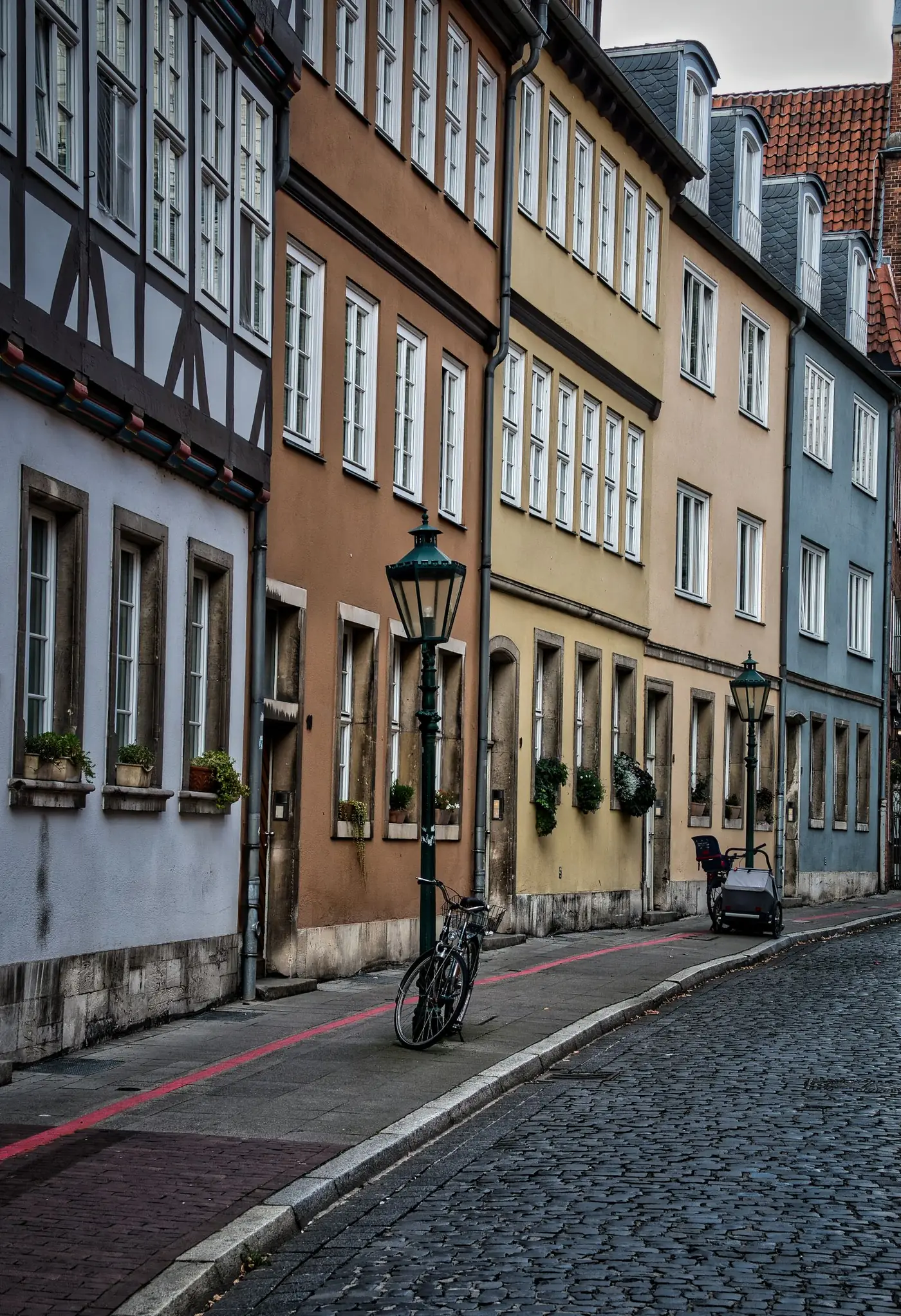
Hannover
A compact Altbau stock after the war — concentrated in List, Oststadt and the creative Linden belt — with moderate rents and steady expo-city demand.
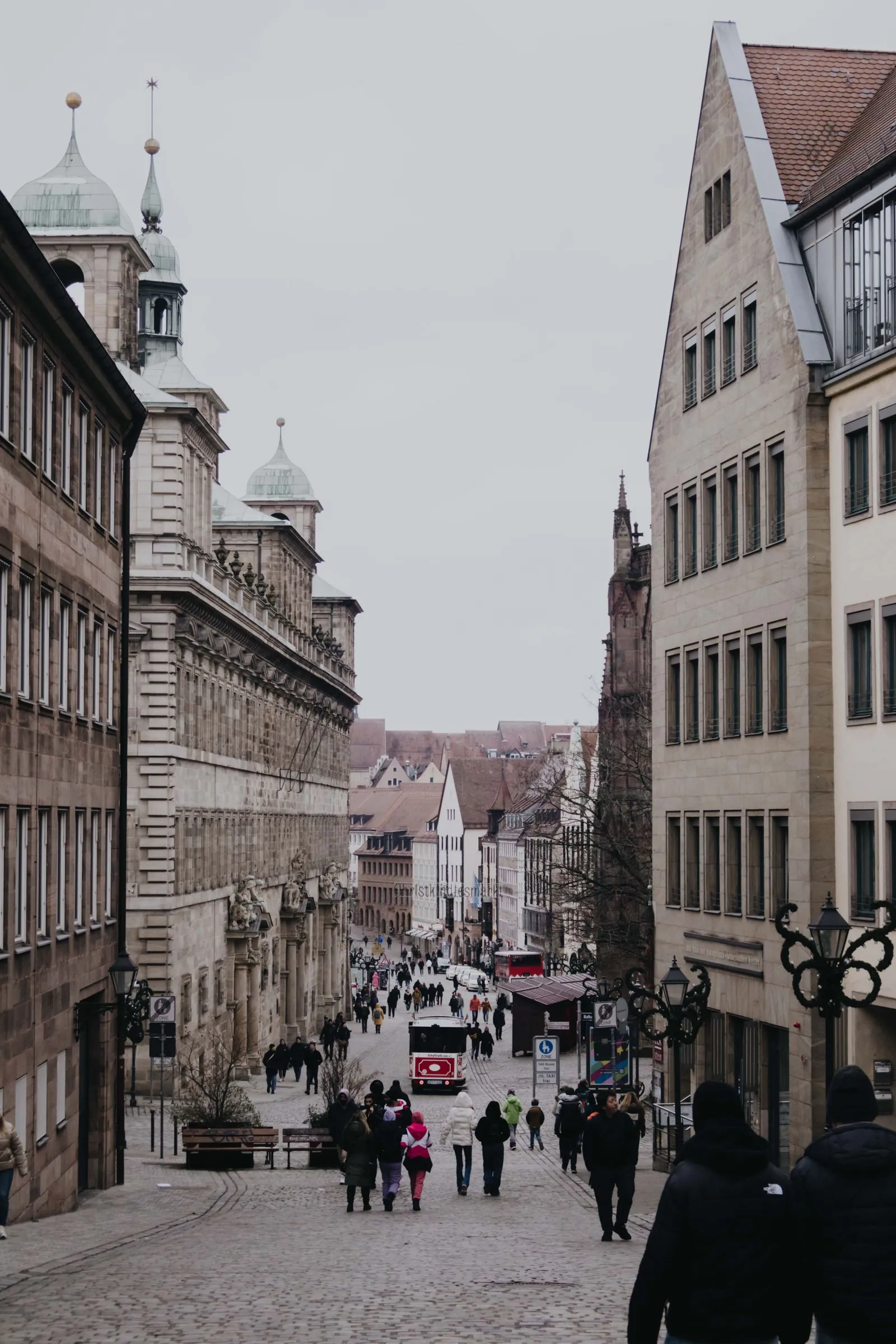
Nuremberg
Sandstone facades and rebuilt lanes under the castle — Bavaria's second city shares Munich's labour market at a fraction of its rents.
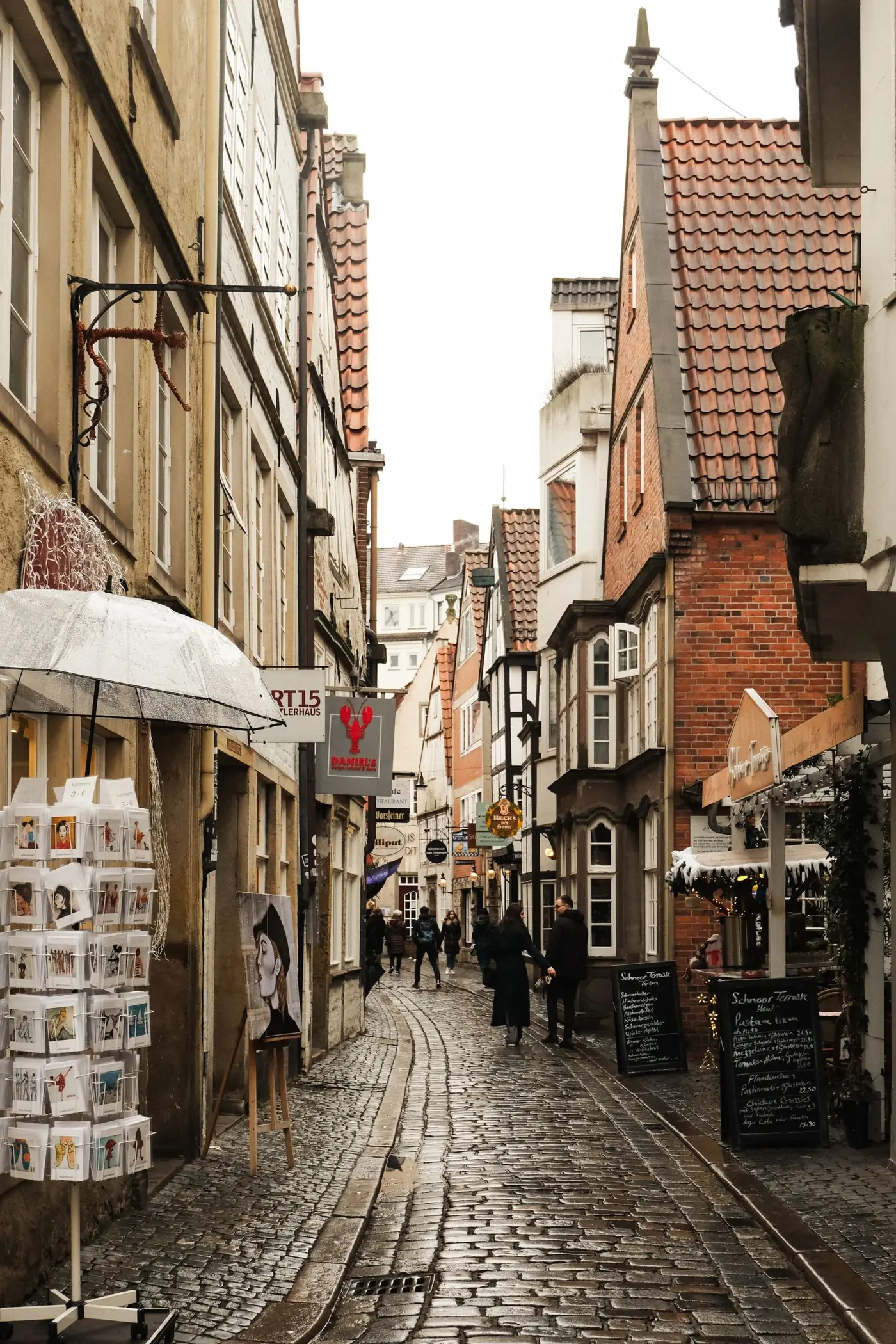
Bremen
Maritime brick without the Hamburg price tag: the Gründerzeit belt around Ostertor and the value quarter Neustadt lead the Weser market.
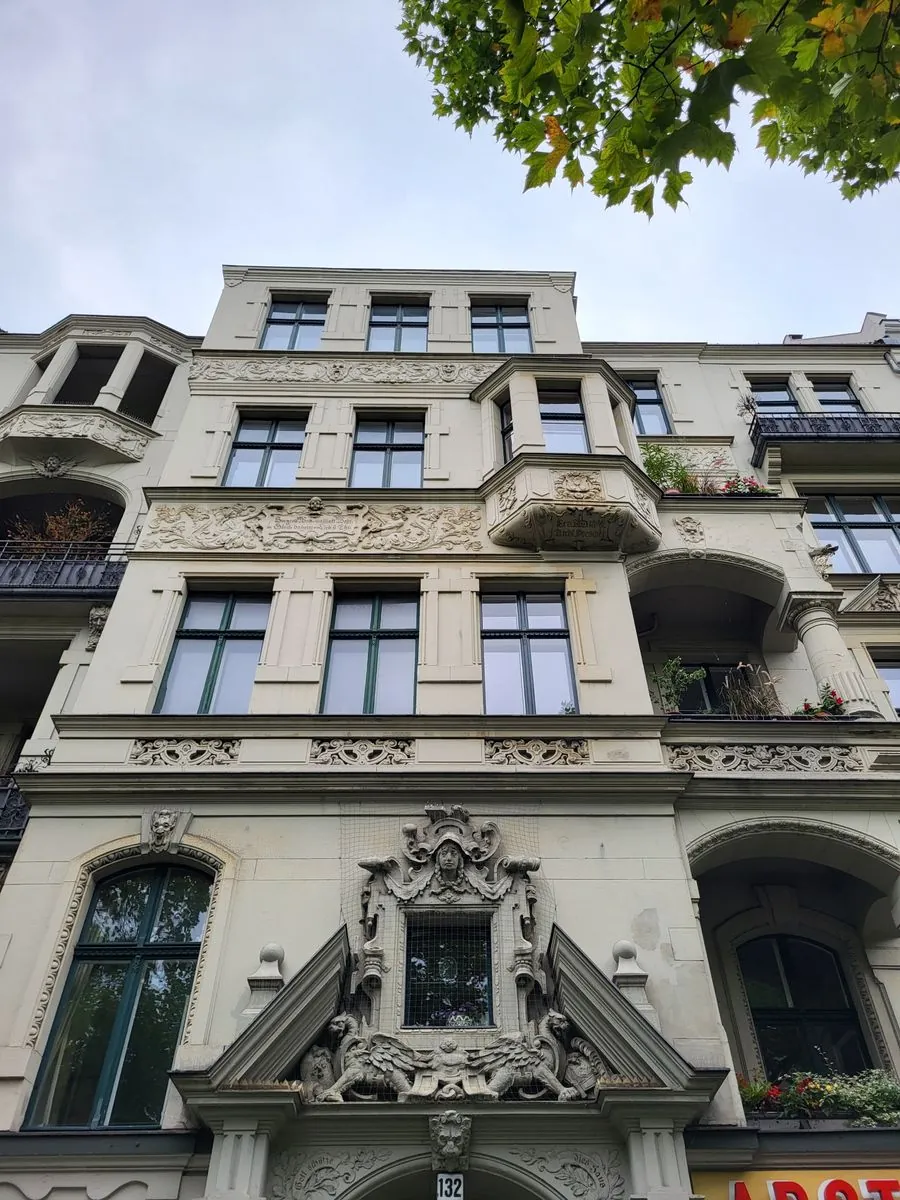
Berlin
The Altbau capital: whole districts of Gründerzeit blocks, from Prenzlauer Berg to Kreuzberg. Highest rents, deepest heritage rules — and the most competition for every craftsperson.
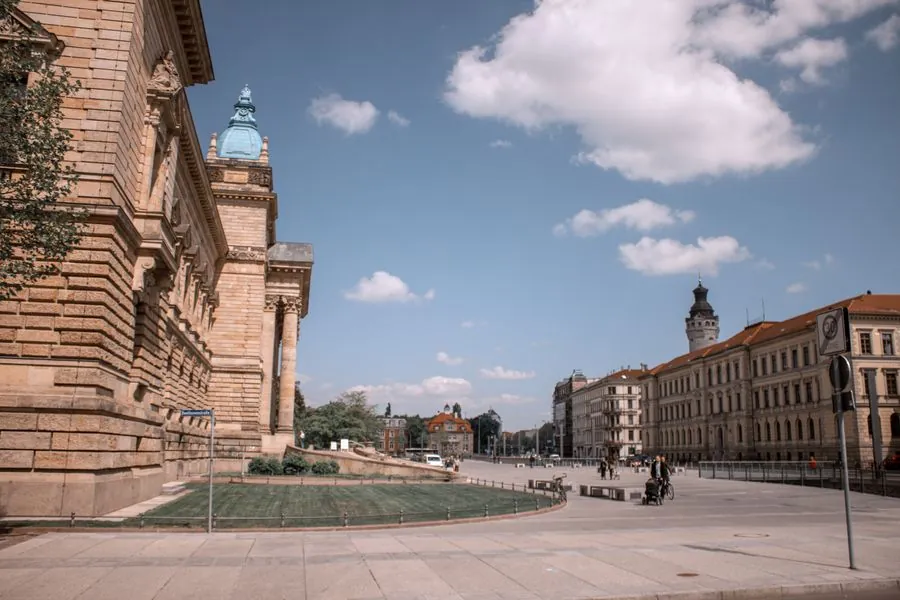
Leipzig
Germany's best-value Altbau city. Whole Gründerzeit quarters survived both wars and post-war neglect — which means affordable prices, raw substance and renovation potential.
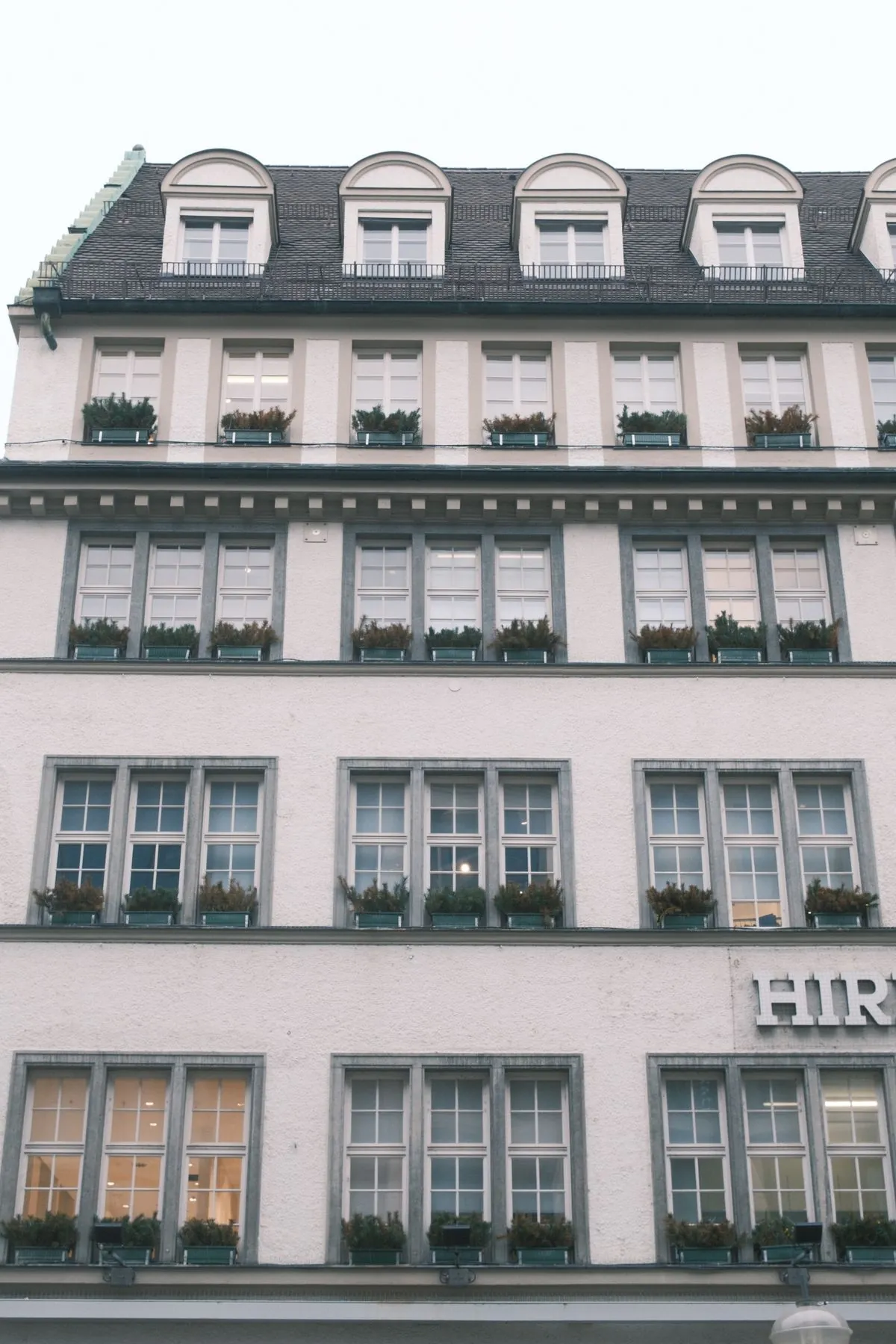
Munich
Germany's most expensive Altbau market: beautifully preserved Gründerzeit in Schwabing and Maxvorstadt, the strictest heritage practice in the country — and trade prices to match.
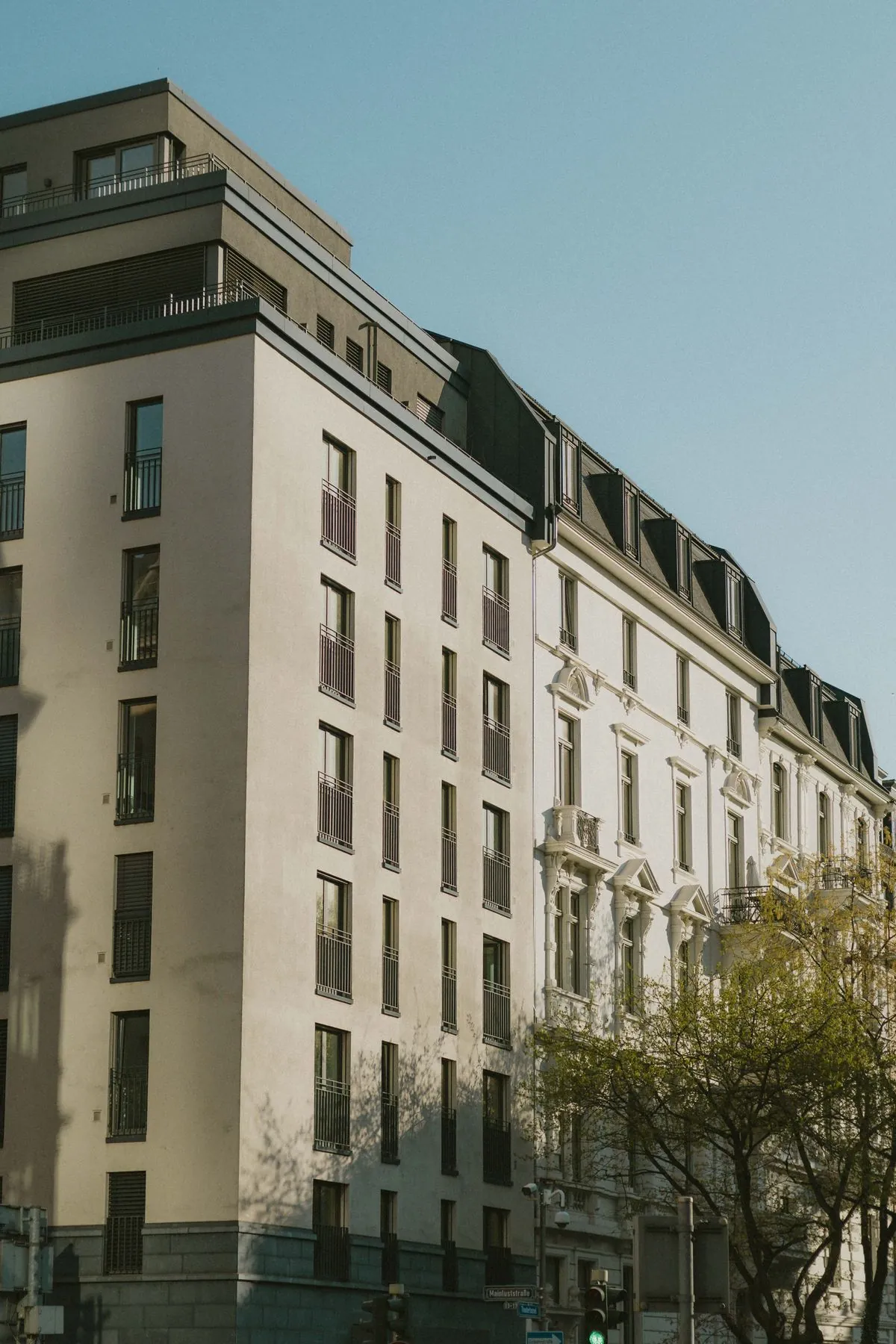
Frankfurt
The Westend's Gründerzeit villas, the Nordend's tenement belt — and one of the last meaningful renovation-value gaps in a German metropolis of this size.
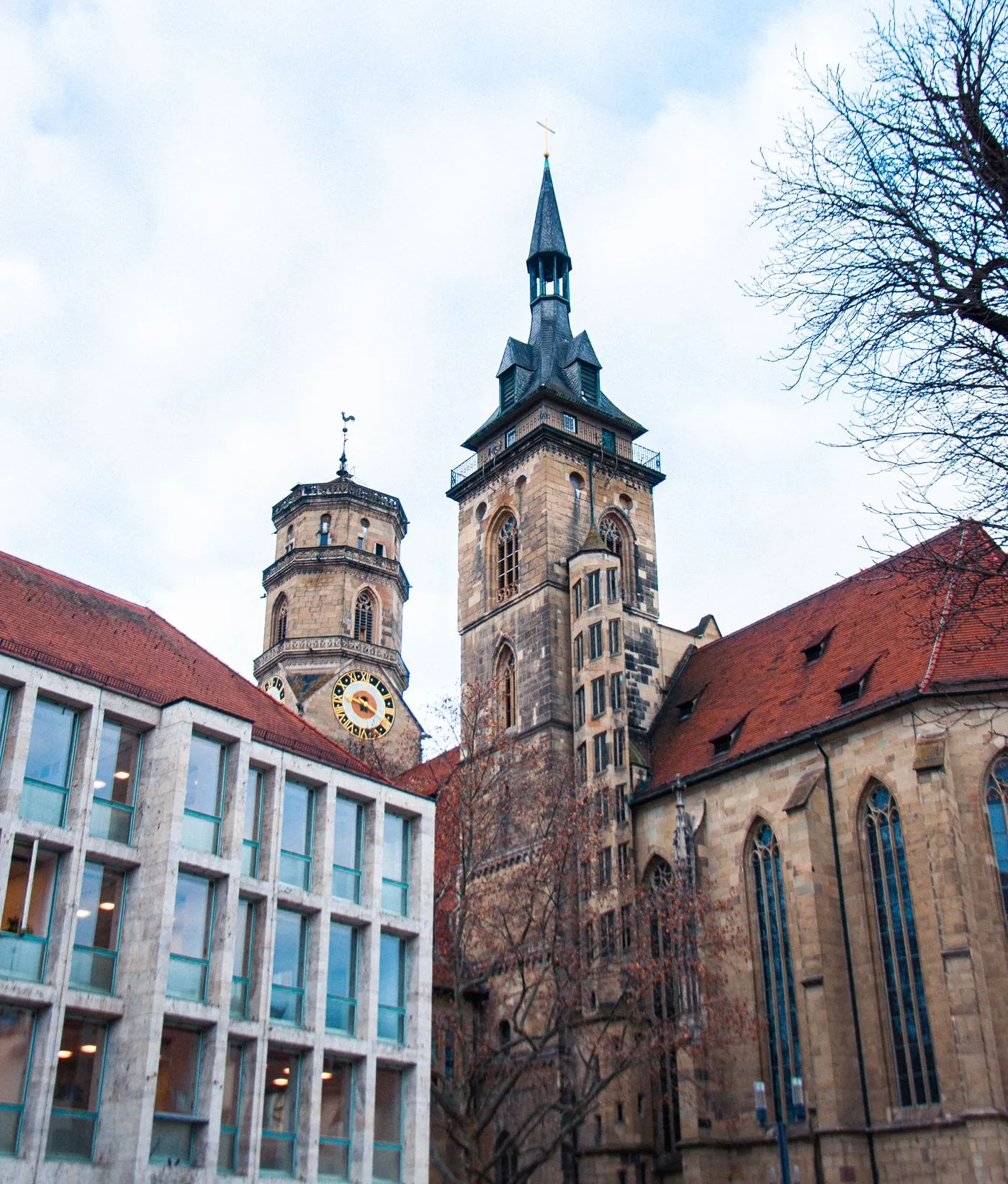
Stuttgart
Sandstone-axed tenements on the wine slopes of the Kessel — Germany's steadiest big-city market, powered by the region's industrial employers.
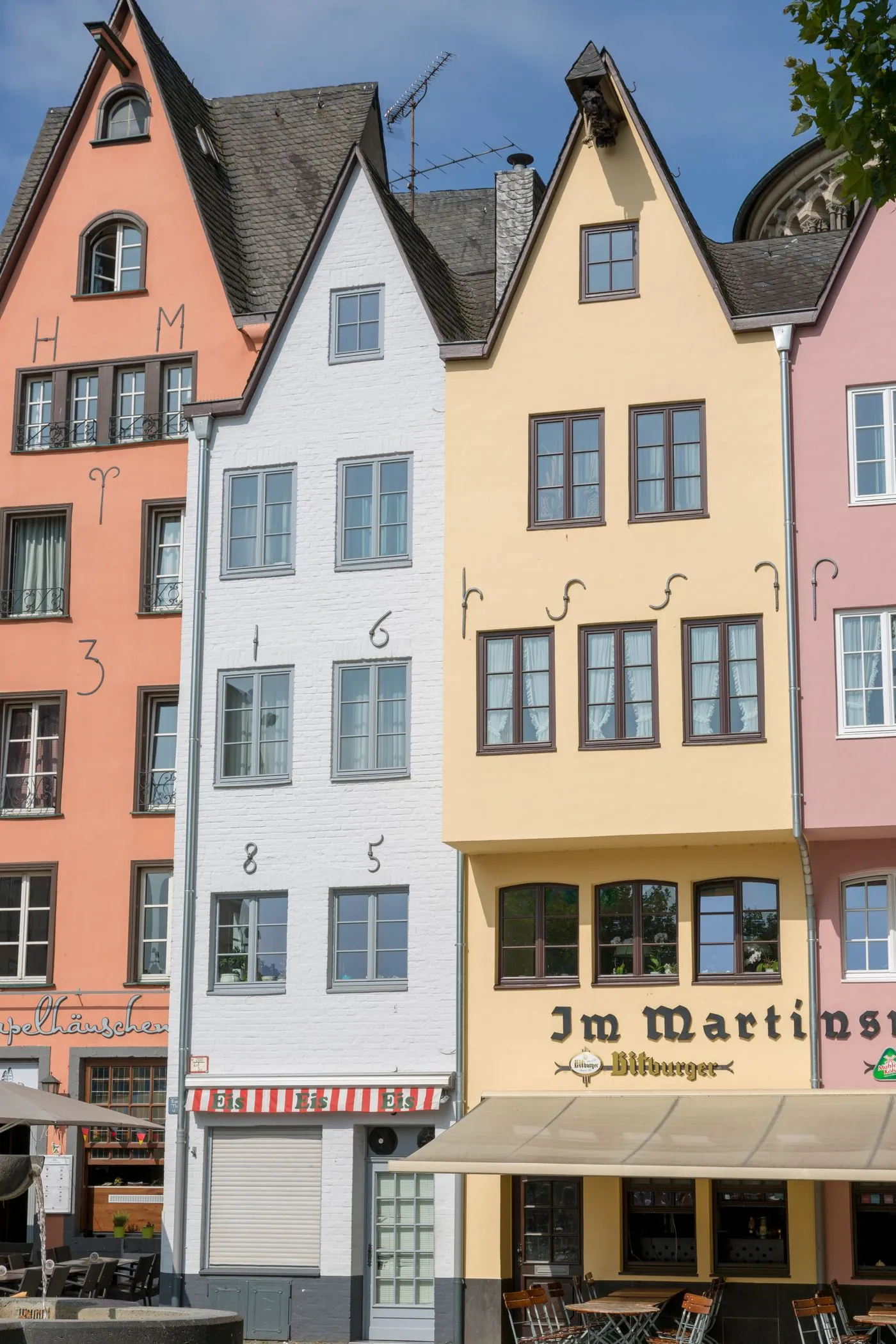
Cologne
Germany's largest connected Gründerzeit belt wraps around the ring — gabled facades, Veedel culture and the friendliest entry price among the top five.
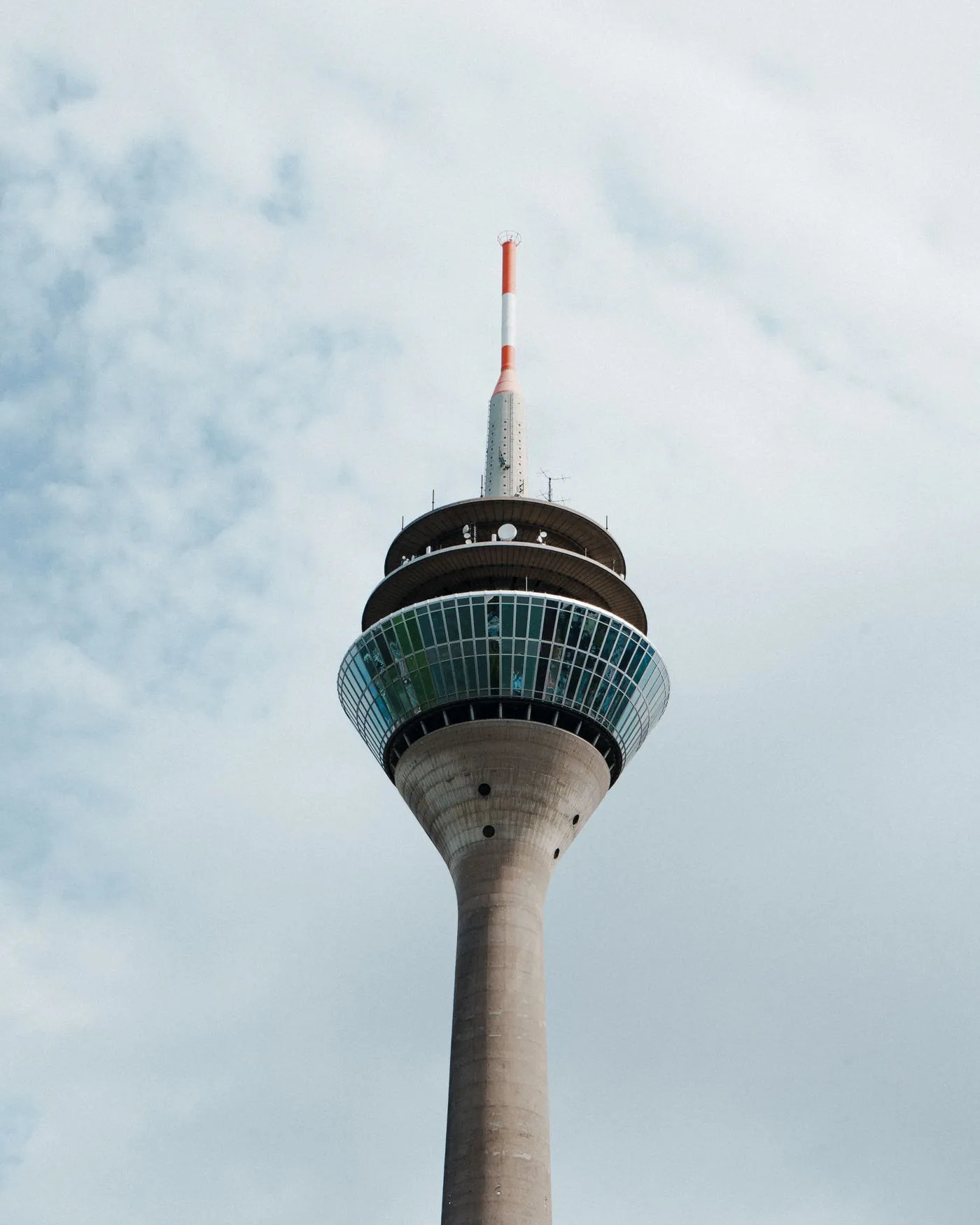
Düsseldorf
Elegant high-ceiling blocks and Rhine-side villas — a smaller, tighter stock with the fastest-rising rents in the current radar.
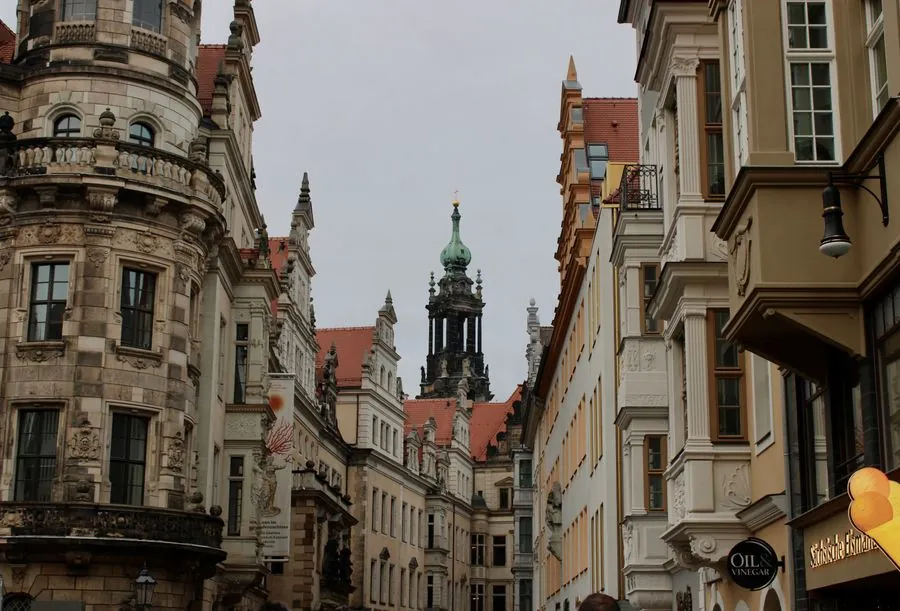
Dresden
Where heritage protection is taken most seriously. Restored Altstadt quarters set the standard for façade craftsmanship — and the rules for owners reflect it.
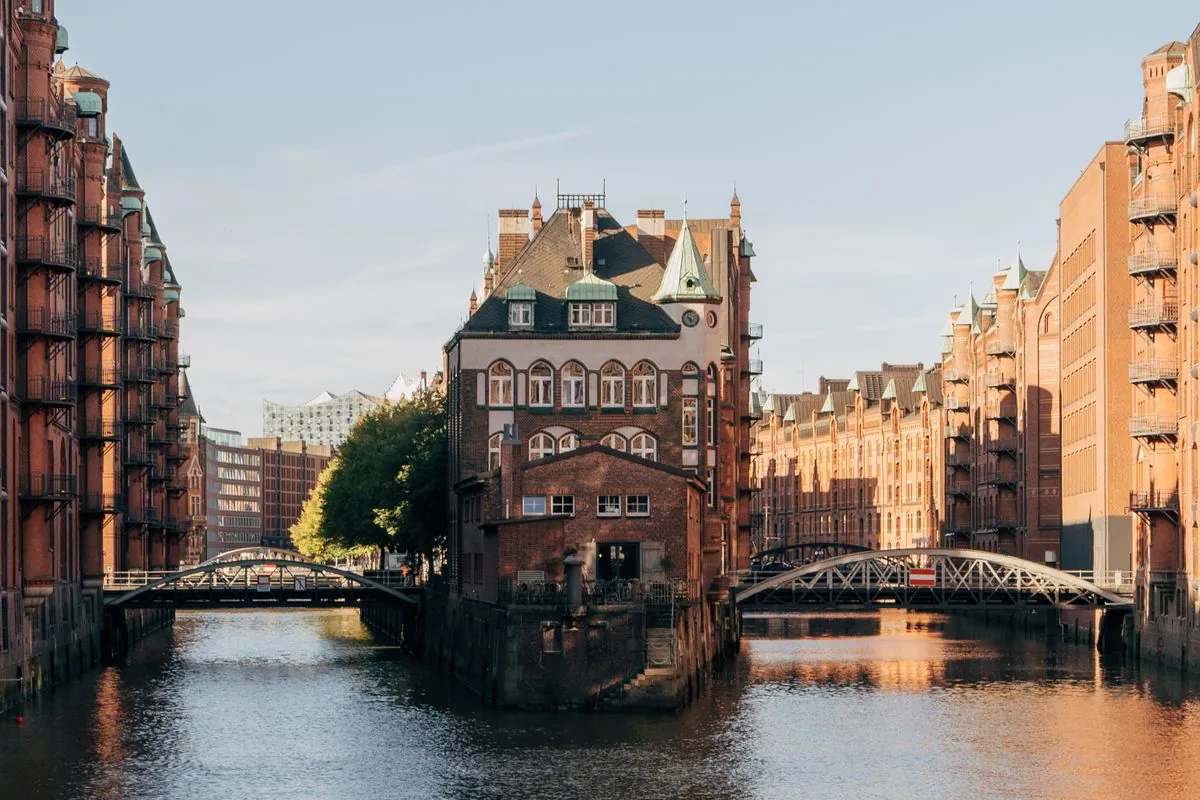
Hamburg
A different Altbau tradition: back-brick warehouses and Gründerzeit quarters around the Alster. Maritime climate makes moisture management the number-one renovation topic.
Indicative figures researched by the altbau.com editorial team. Rent and price levels change quickly — always verify current data before making decisions.