Living with history · since 2026

The Altbau Guide: know what your classic apartment needs.

Independent expertise on the costs, subsidies and technology of the classic Altbau apartment. Well-researched, jargon-free, no sales agenda.

Editor picks

Popular guides

The guides readers come back to most — swipe or scroll to browse.
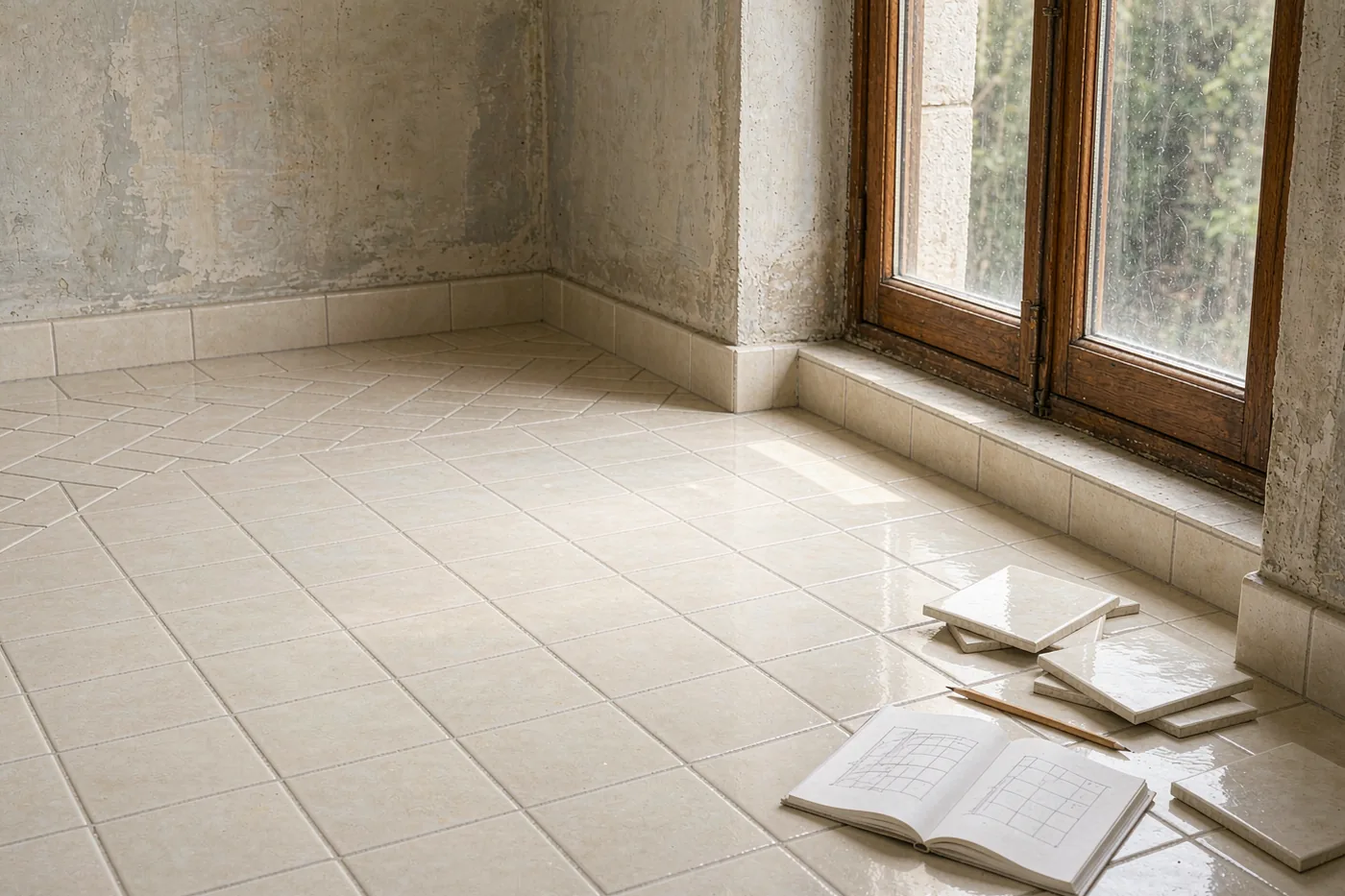
Floors & finishes Calculating tile quantities in old buildings: area, waste and whole boxes Worked example → Budget Renovation budget: what it really costs Check the costs → Buying & renting The period-property viewing checklist See the list → Fabric Damp and mould in old buildings: causes and fixes Find the cause → Subsidies KfW & BAFA: how to get renovation money Check funding → Windows Restoring timber windows in period buildings Read more → Roof Gutters and downpipes in period buildings Read more → Heating Altbau in winter: preparing your old apartment Winter check →
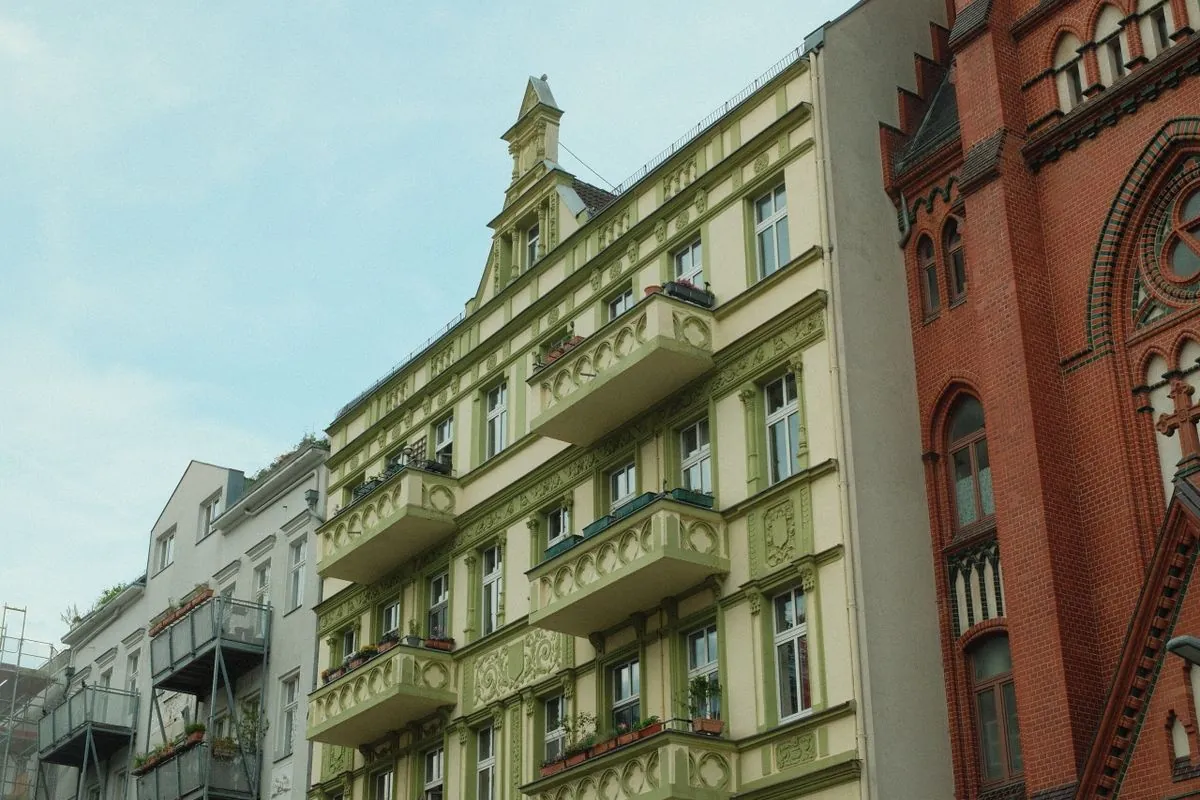



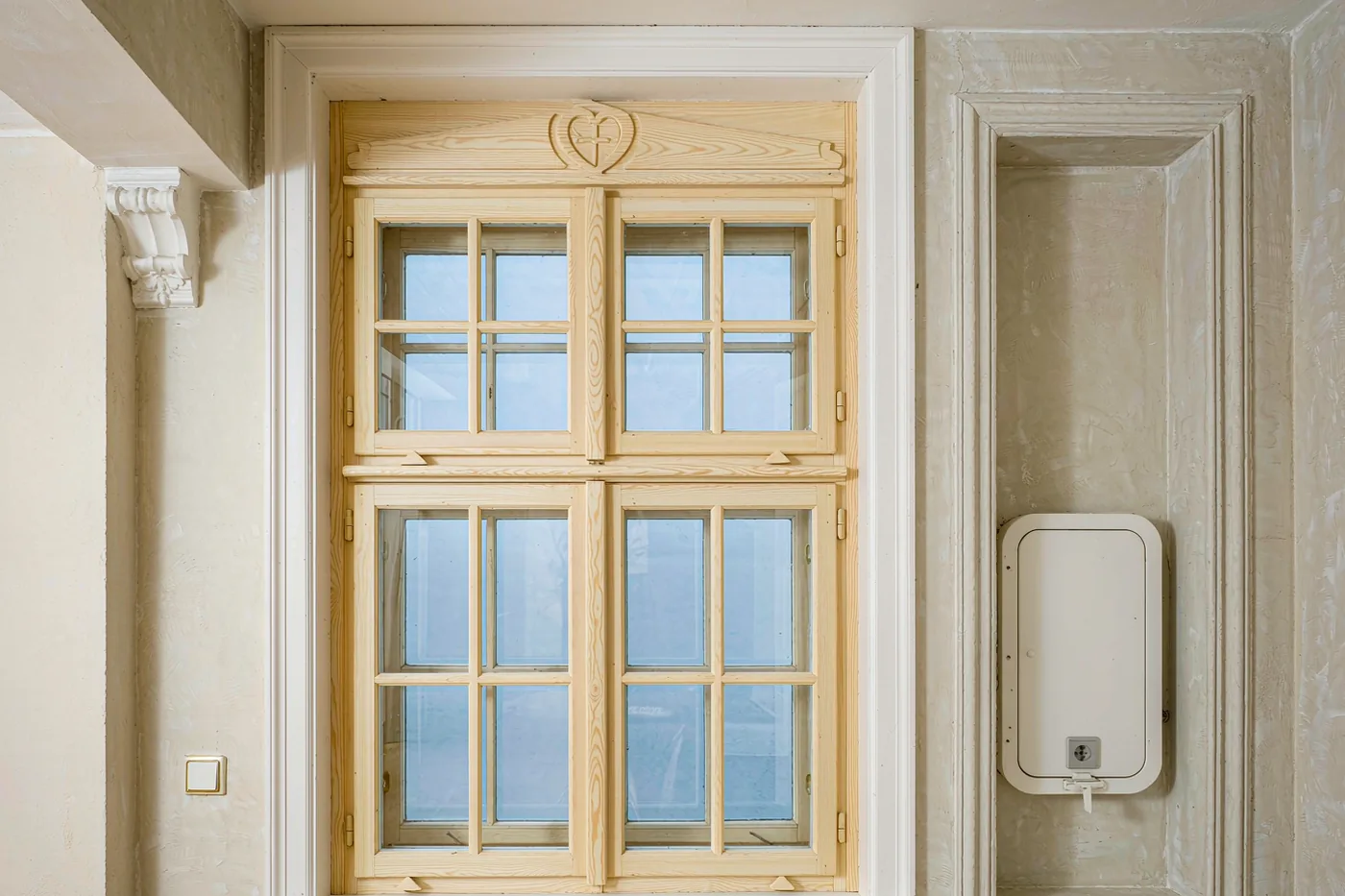
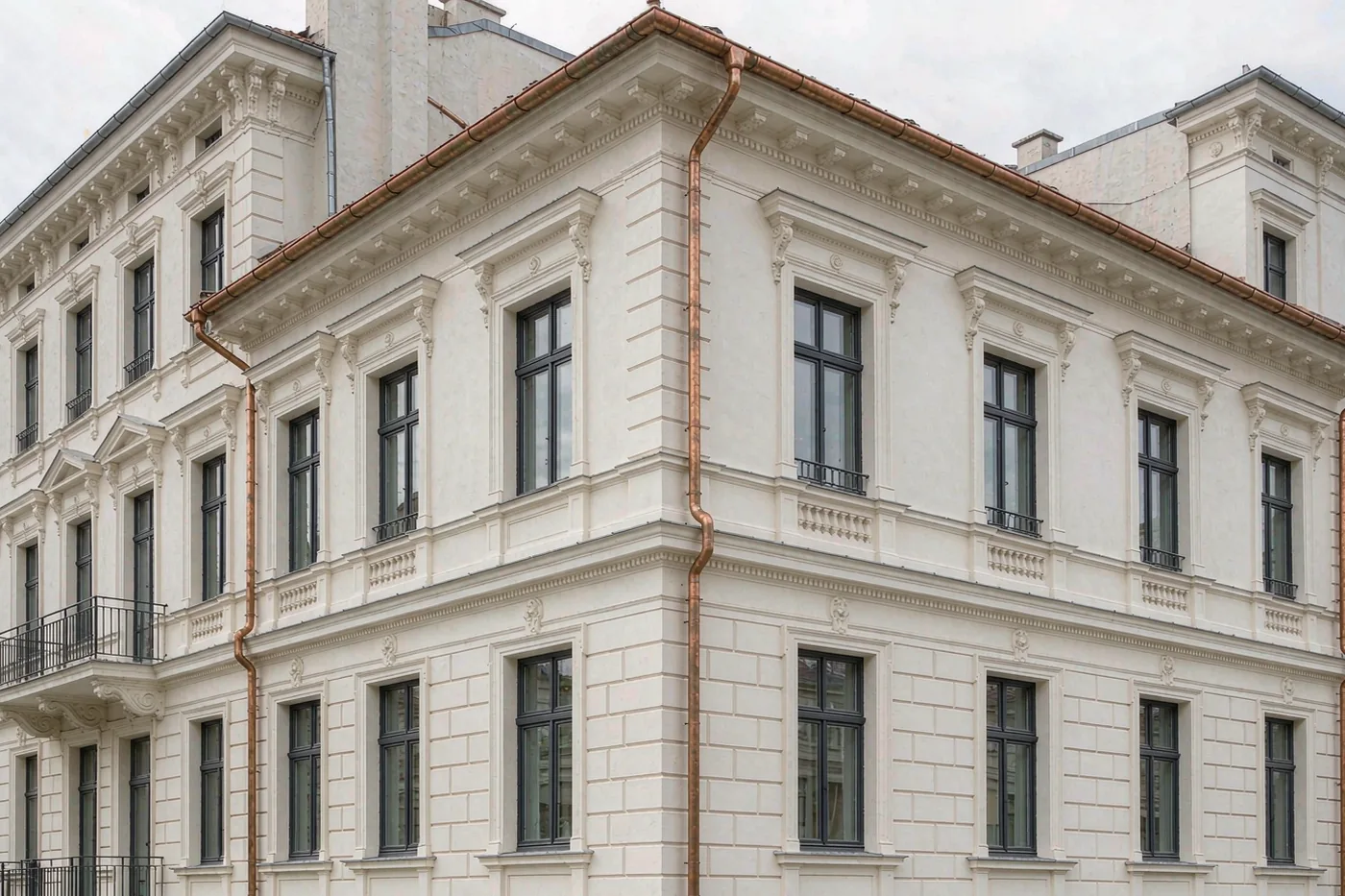
Swipe or scroll to see more →

Market radar · Q3 2026 Data as of 15 October 2026 · updated quarterly
+3.7% YoY
Asking rents across 37 German cities — existing stock leads, new builds lag
23.70 €/m²
Munich tops the list · Frankfurt 17.90 · Berlin 15.80 · Leipzig 10.40
11.17 ct/kWh
Average gas price (multi-family homes) — down from the 2022 peak, still double 2019
+49.6%
Heating oil year on year — the cost driver for oil-heated Altbau in 2026

News

Updated daily ·

Headlines are our own editorial summaries; all rights remain with the publishers. Each link opens the original reporting.

Latest Articles

Suggest a topic →
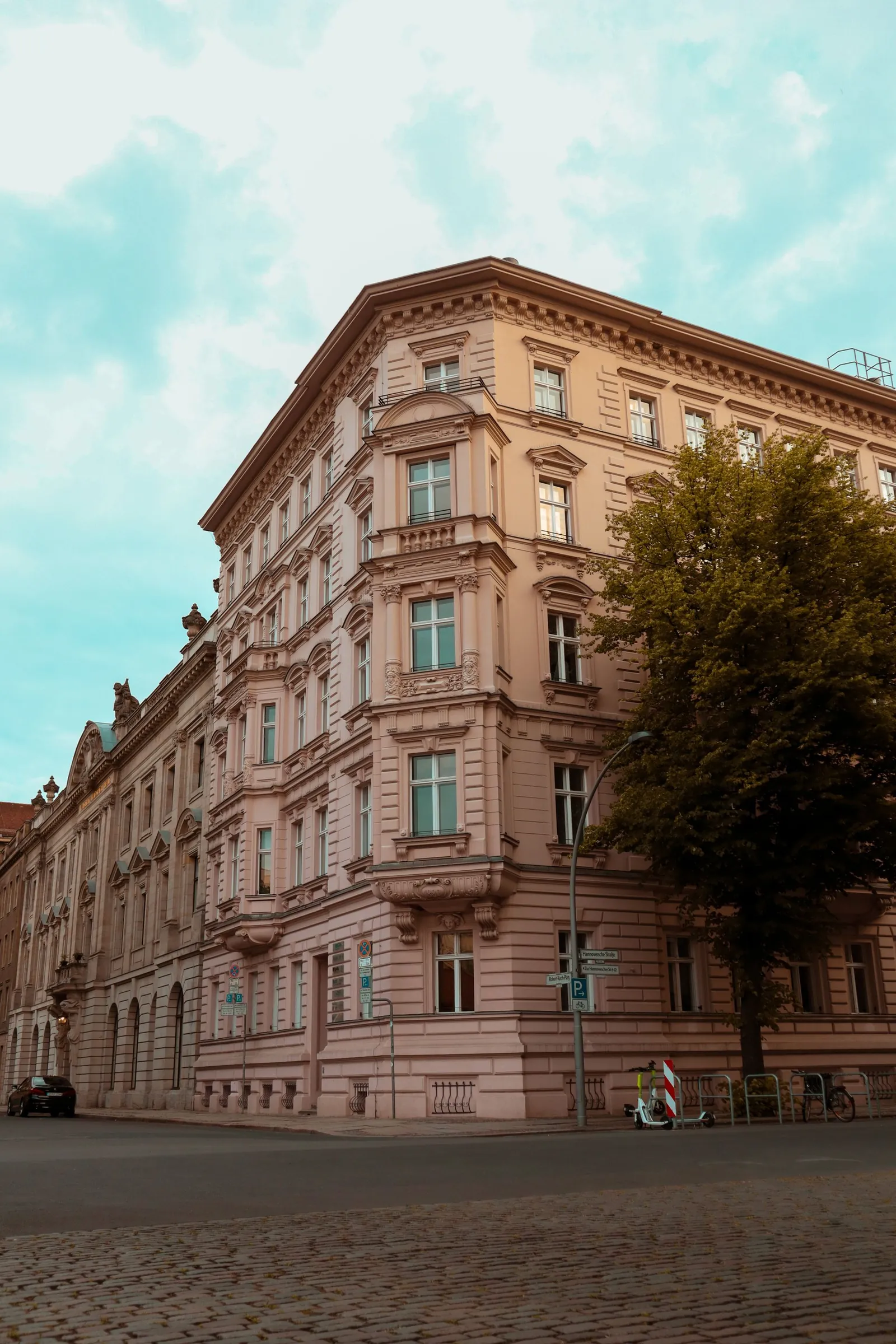
Roof & drainage

Gutters and downpipes in period buildings: inspect, repair, drain correctly

Water must leave the roof in a controlled way — why gutter, fall and outlet are checked before insulation.

Read more →
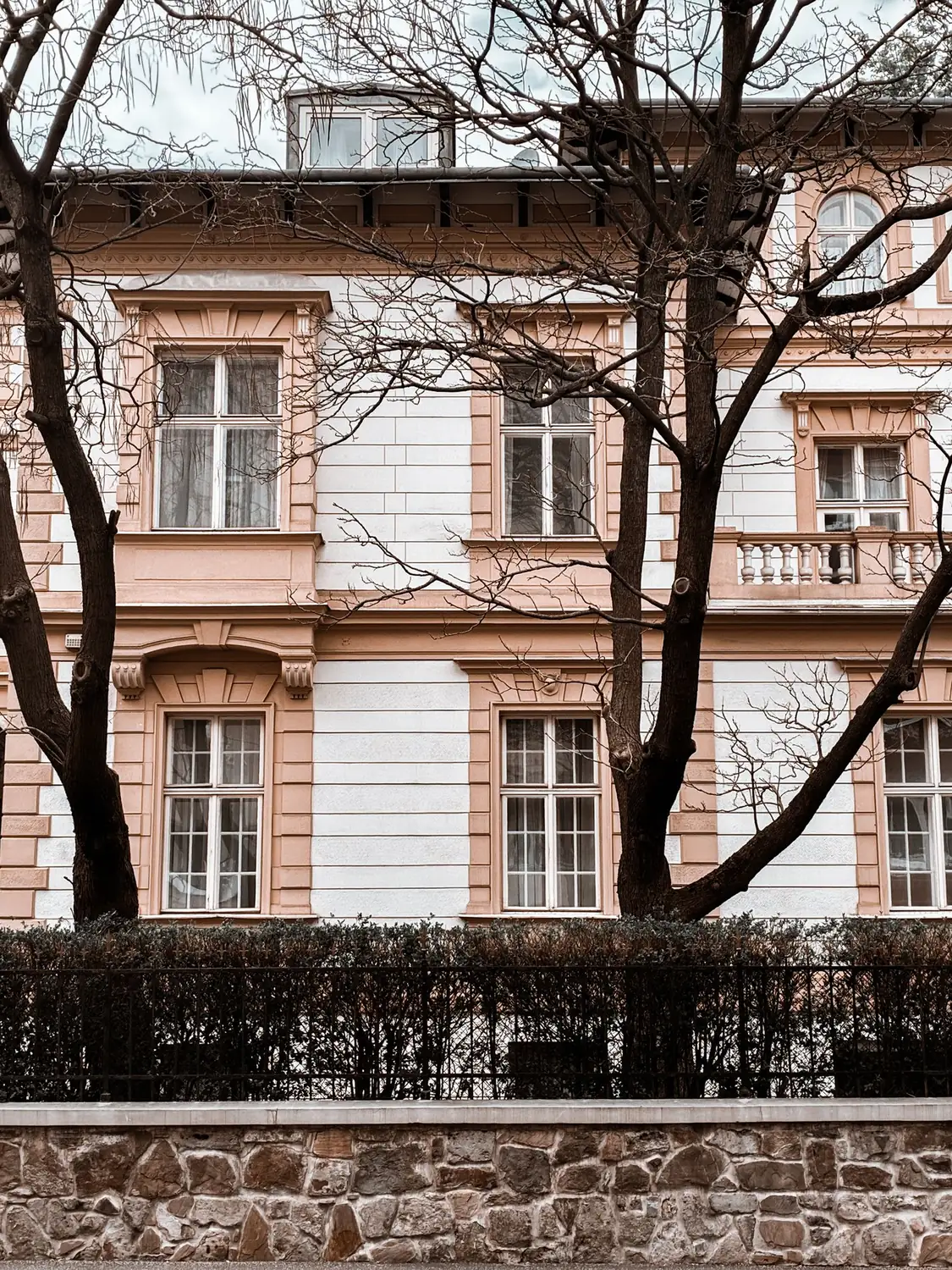
Windows & timber

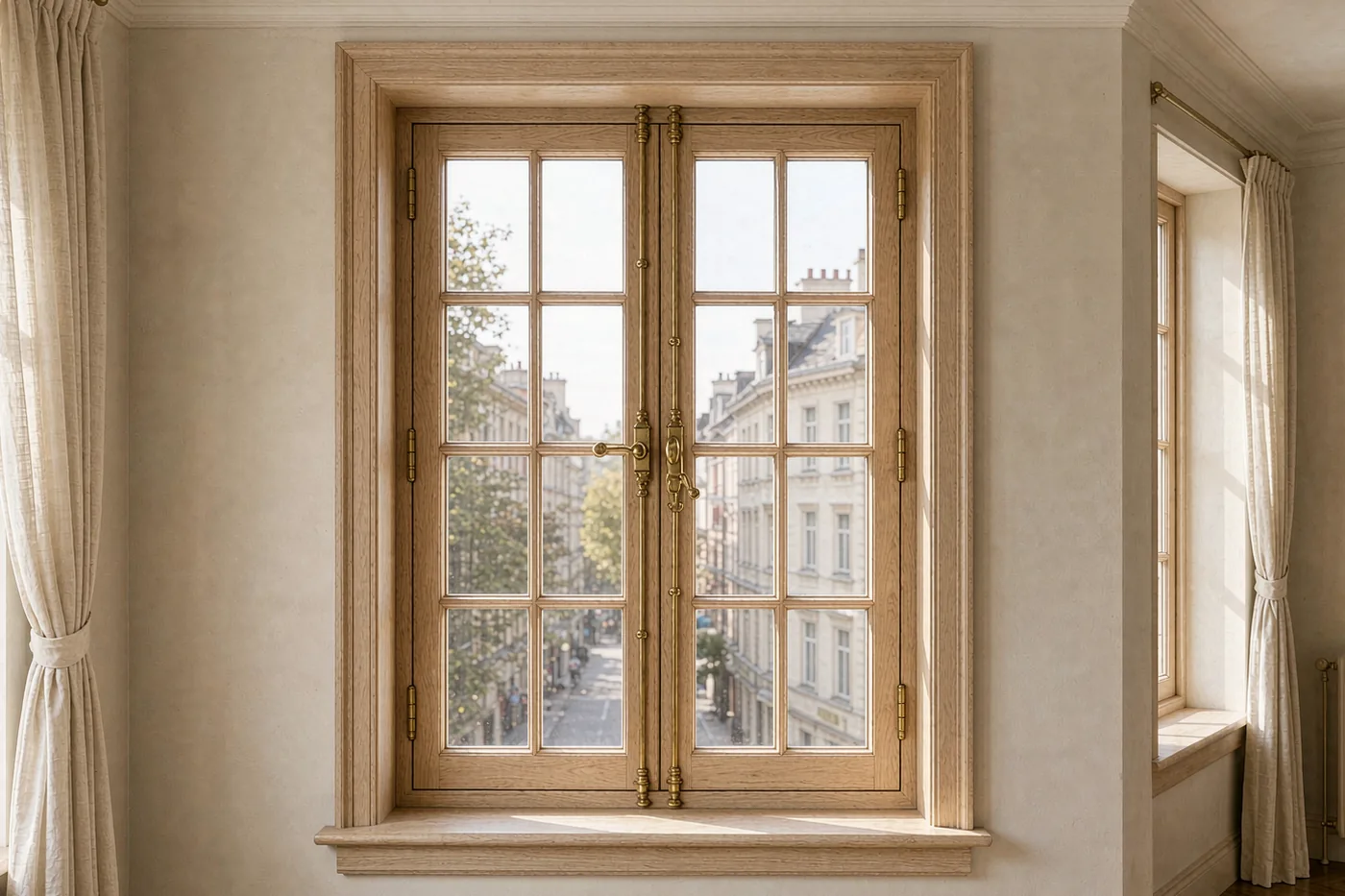
Restoring timber windows in period buildings: repair before replacement

Original fabric instead of a standard frame: when restoration pays and which damage is truly critical.

Read more →
Insulation & energy

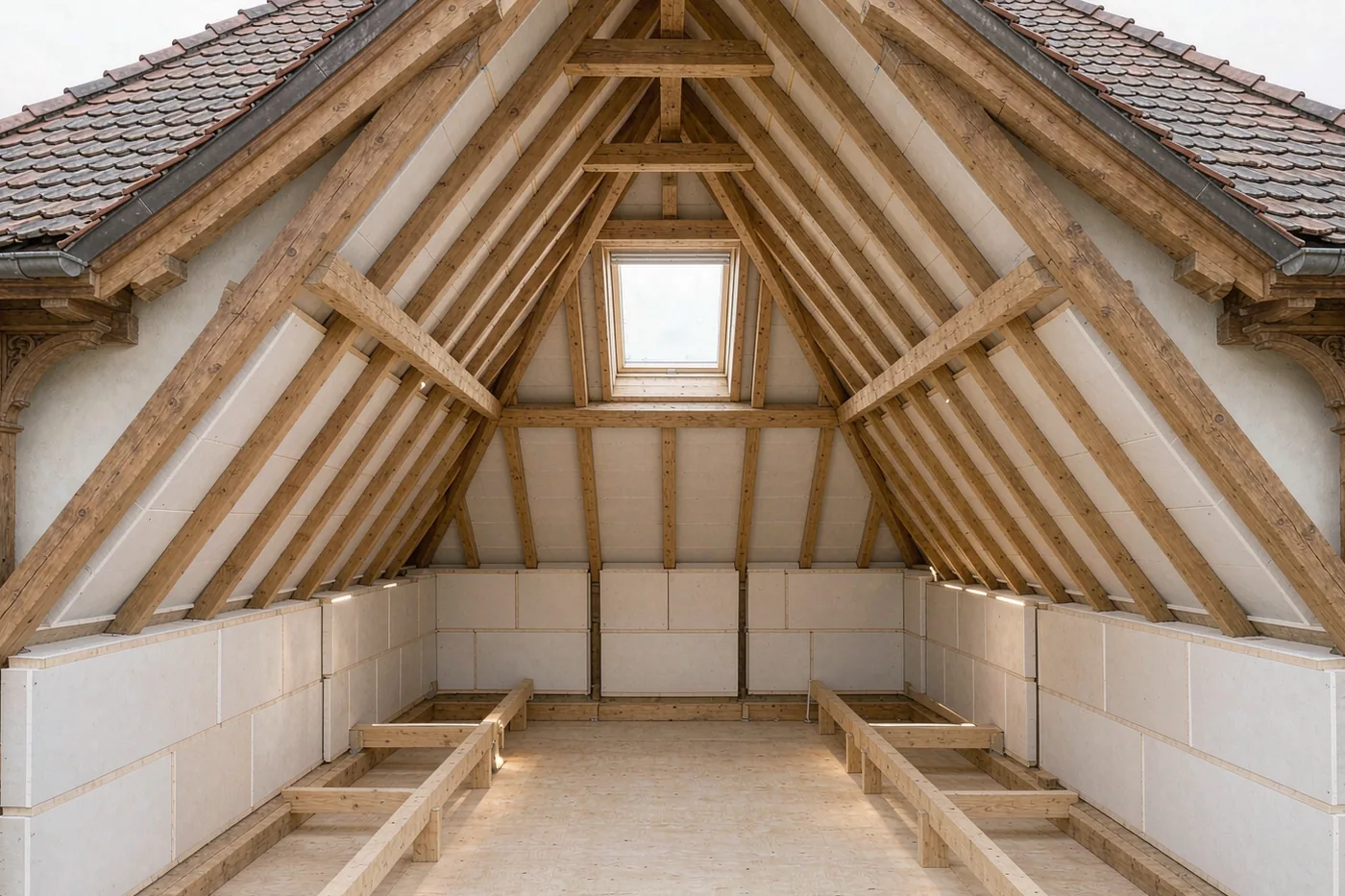
Roof insulation in period buildings: build-up, moisture and sequence

Build-up, moisture and drainage belong together — otherwise insulation merely hides the problem.

Read more →
Chimney & heating

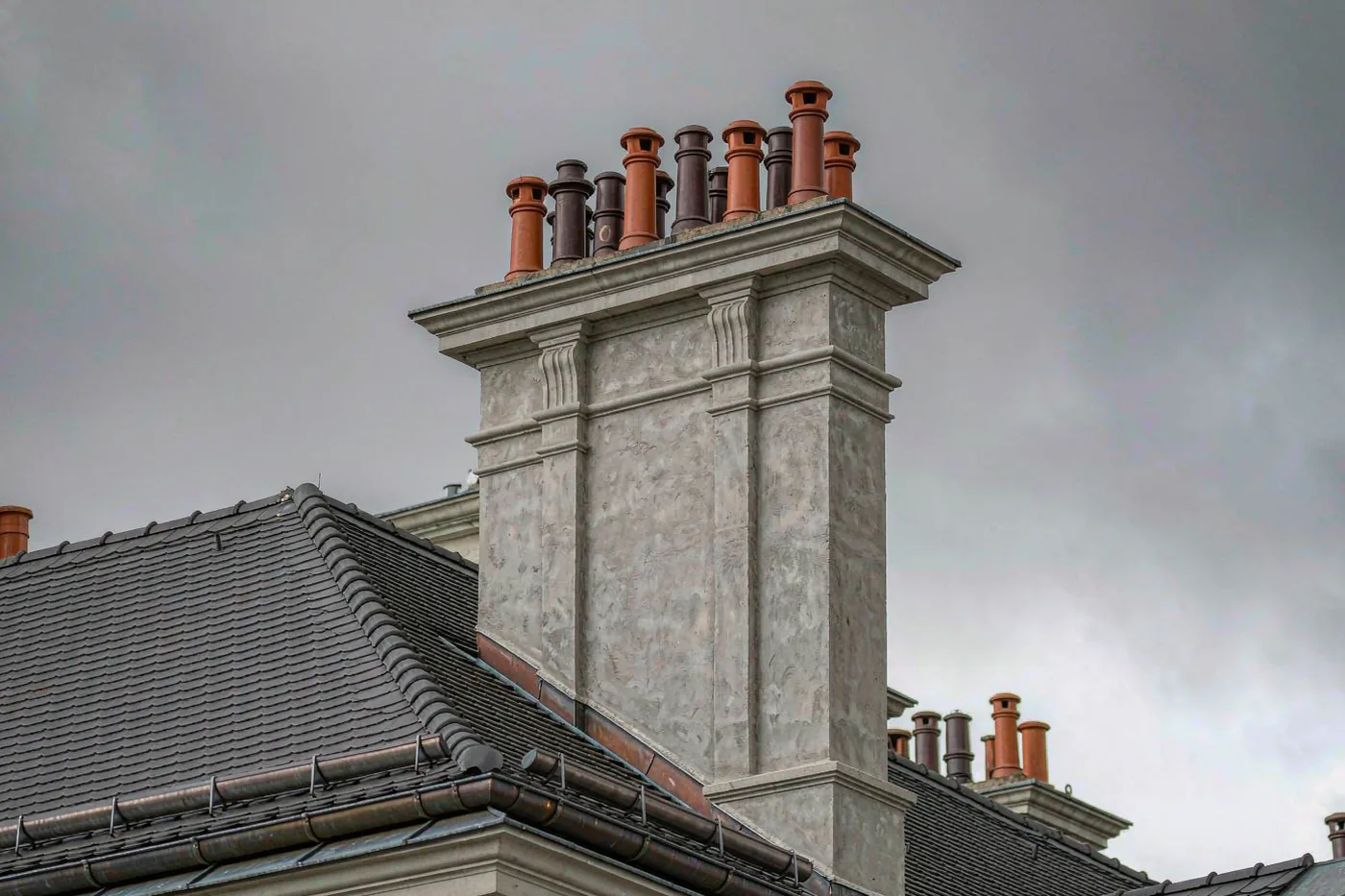
Chimneys in period buildings: condition, use and repair

A chimney is a structure through several floors. Clarify condition and use before repair.

Read more →
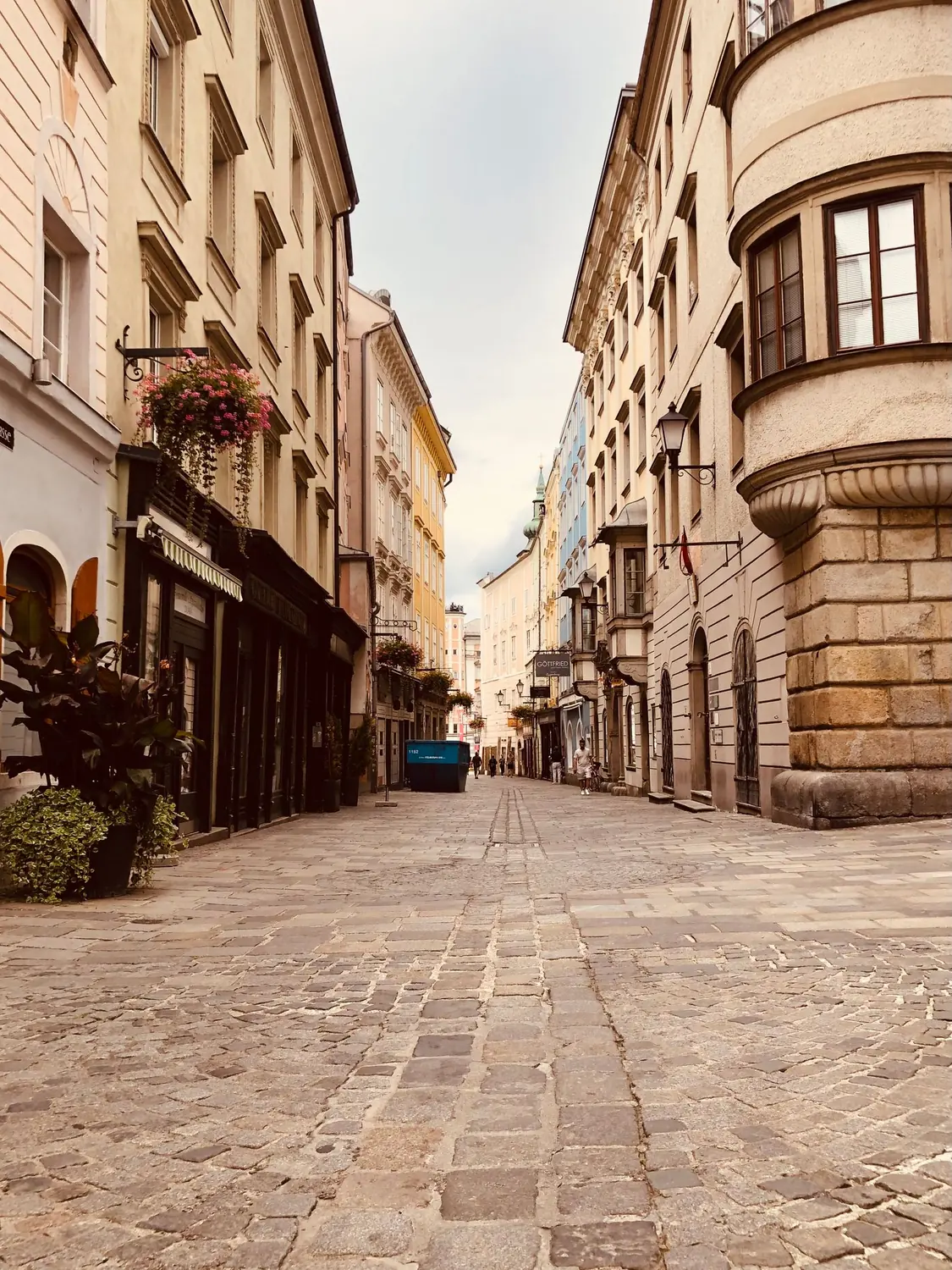
Cellar & daylight

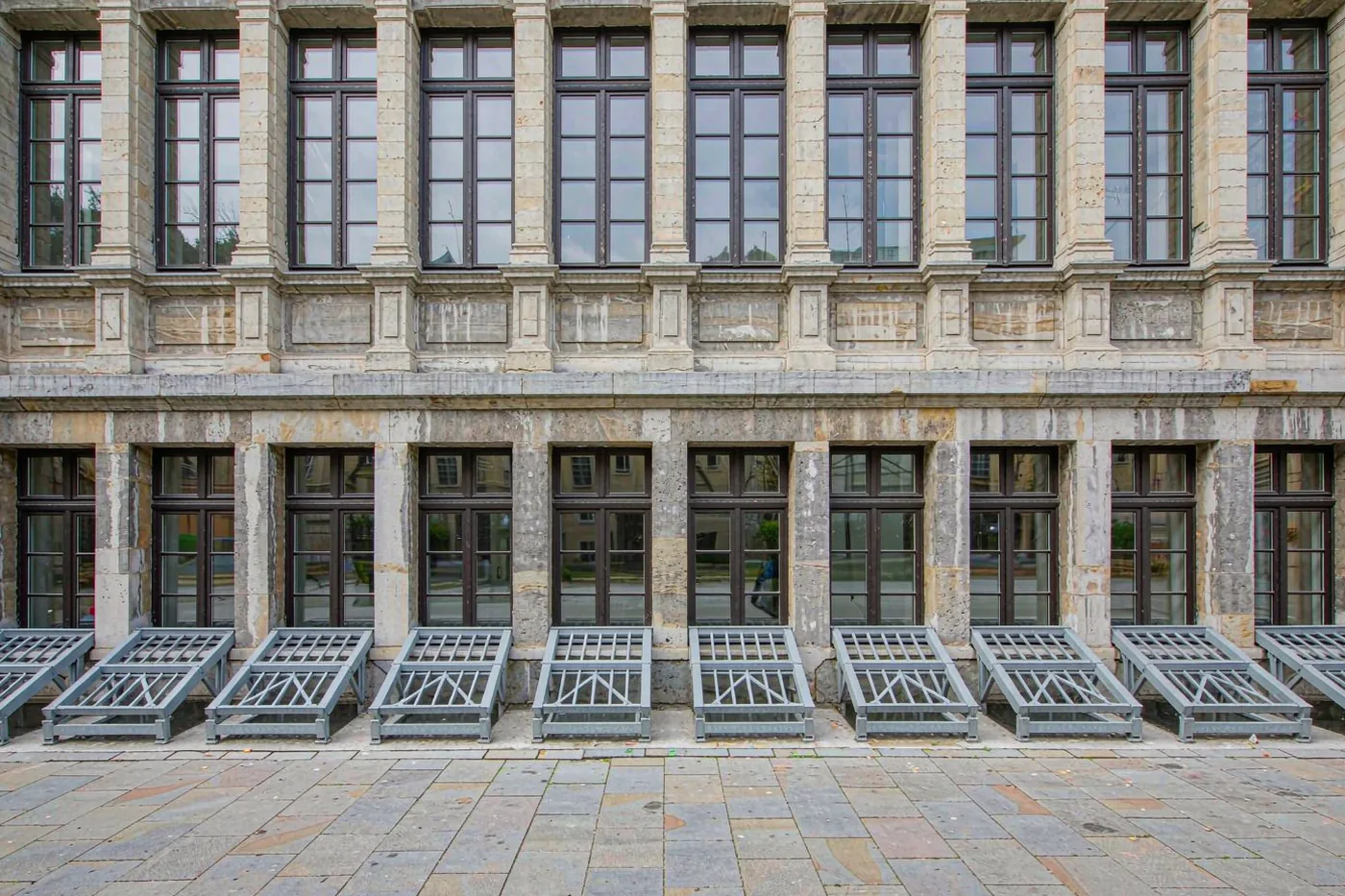
Cellar windows and light wells in period buildings: daylight, ventilation, escape

A light well is drainage: ventilation, water and escape route must be planned together.

Read more →

Doors & timber

Restoring old doors in period buildings: keep rather than replace

Hardware, seals and fitting often work better than replacement — especially with solid period doors.

Read more →
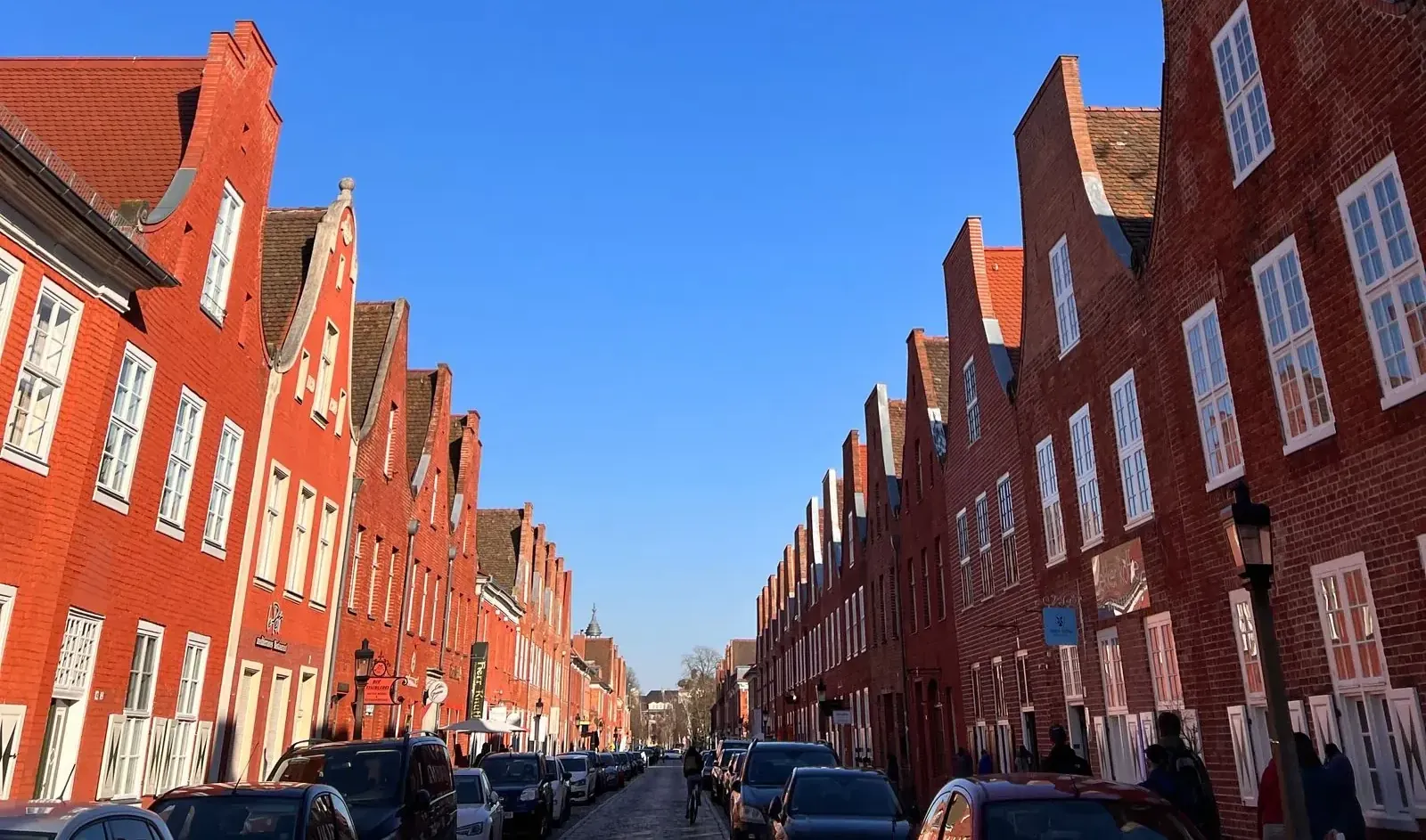
Masonry & joints

Repointing masonry in period buildings: why the mortar matters

The mortar decides: why hard cement harms historic masonry and how a trial area protects the fabric.

Read more →

Heating & energy

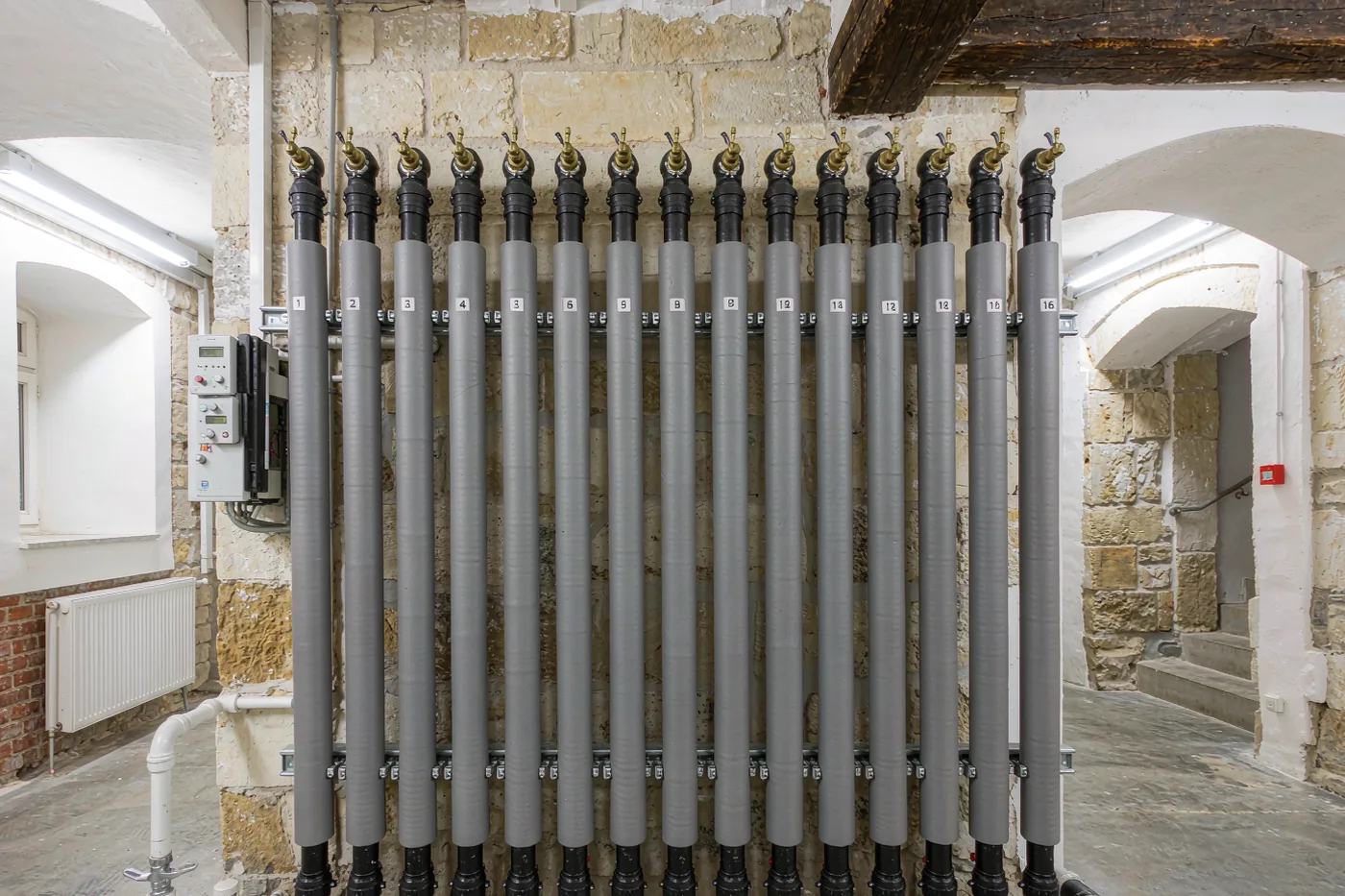
Insulating heating pipes in period buildings: where it works and where it does not

Not every pipe needs insulation. Clarify location and losses first, then insulate selectively.

Read more →
Moisture & damage

Water damage in period buildings: drying properly instead of only at the surface

Surface drying deceives. Stop the source, map the moisture and dry with measurements.

Read more →
Fire safety & living

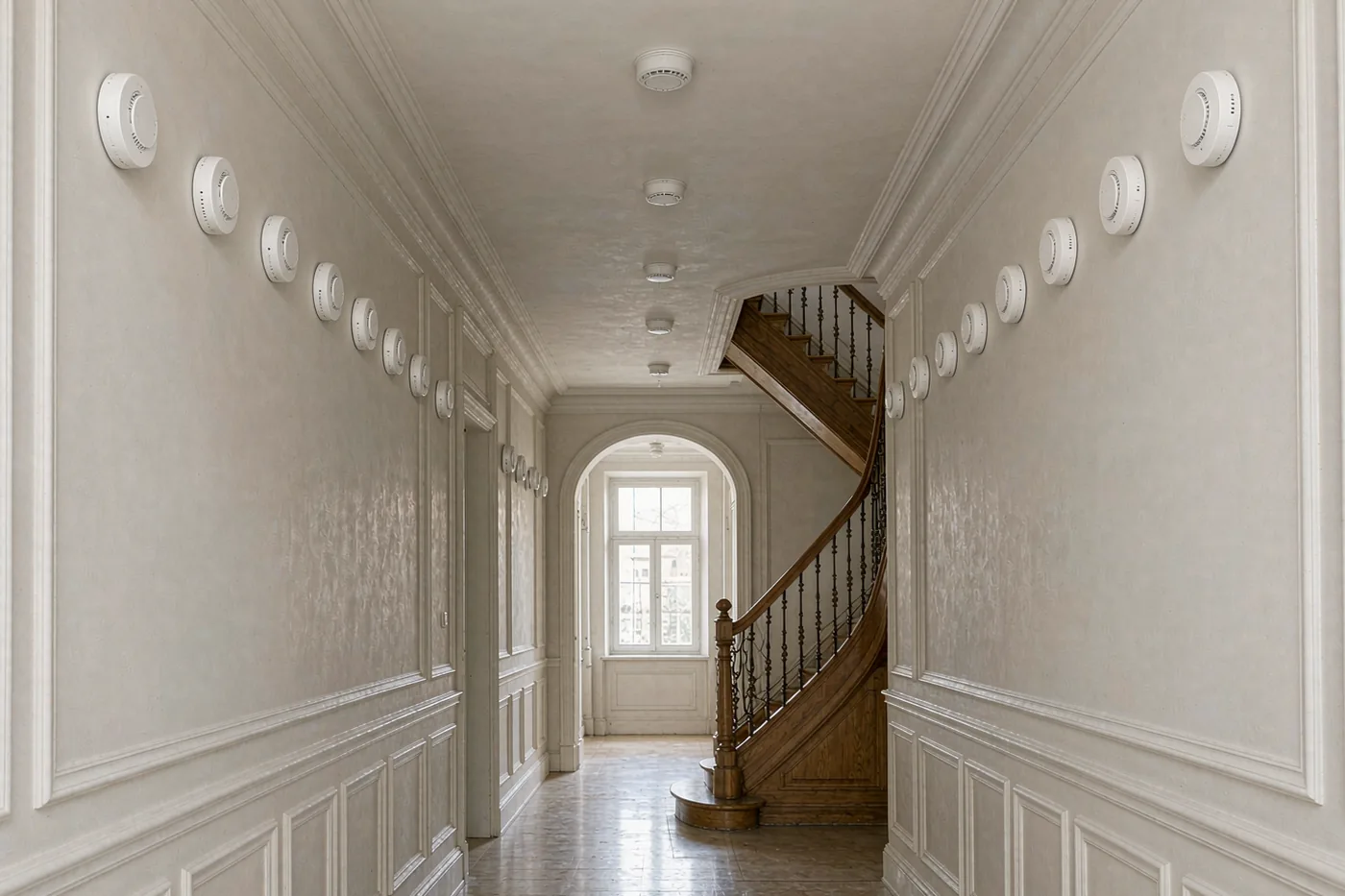
Smoke alarms in period buildings: requirements, locations and records

Period buildings mean long escape routes. Clarify rules, locations and records before fitting.

Read more →
Cellar & damp control

A damp cellar in a period building: cause first, repair second

Pressurised water, construction damp, condensation: why the cause must be settled before anything is sealed.

Read more →
Timber & fabric

Dry rot and timber pests in period buildings: spotting, assessing, professional treatment

Dry rot, longhorn beetle, furniture beetle: how to spot an attack and why treatment starts at the moisture source.

Read more →
Fabric & health

Asbestos in old buildings: spotting it, assessing it, reacting correctly

Fibre cement, tile adhesive, fuse boxes: where asbestos hides in period buildings and why a visual check is not enough.

Read more →
Water & health

Lead pipes in period buildings: identify, test, replace

Grey pipes, soldered joints, stagnant water: how to spot lead pipes and what the Drinking Water Ordinance requires.

Read more →
Moving & planning

Moving into a period apartment: what to settle before signing the removal quote

Half-landings, lift doors, rear courtyards and no-parking zones — the details a quote depends on.

Read more →
Planning

Measure matrix: component, cost type, trigger and grant logic

Which cost type, permit trigger and grant logic belongs to each component — as a planning grid.

Read more →
Renovation practice

Worked example: renovating a Gründerzeit flat in the right order

A worked scenario from the initial survey through to boards, windows and heating.

Read more →
Terms & law

Sanierung, Renovierung, Modernisierung: three words, three consequences

Why the wording matters for tenancy law, monument protection and grant applications.

Read more →
Heating

Getting radiators ready for winter: bleed, balance, set

Why November is the right moment for bleeding, hydraulic balancing and a sensible thermostat setting.

Read more →
Costs & subsidies

Altbau and tax at year end: what owners should check now

Receipts, the land-versus-building split, maintenance and grants — which records matter now.

Read more →
Fabric & renovation

Renovating in winter: what works in the cold and what does not

Where temperature and construction moisture set limits, and what still works well indoors.

Read more →
History & culture

Altbau history: how the Gründerzeit apartments came to be

From the 1871 boom to the Mietskaserne — where these buildings come from and why they are built the way they are.

Read more →
Original features

Restoring stucco: guide & prices

Coving, rosettes and ceiling medallions — repair, recast or reproduce?

Read more →
Costs

Replacing windows in an Altbau: what it really costs in 2026

Window types, craft costs and subsidy stacking — the full 2026 price picture.

Read more →
Heating

Gas boiler, heat pump or night storage?

What the heating switch means for old buildings — costs, funding and realistic options.

Read more →
DIY

Sanding floorboards: a guide for brave DIYers

Renting a sander, grit sequence, oiling vs. lacquering — DIY vs. tradesman cost comparison.

Read more →
Living

Why Altbau? 7 reasons to love a classic apartment

High ceilings, cross-ventilated layouts, solid walls — and what to budget for.

Read more →
Law & rent

Cosmetic repairs: what tenants must do — and what they don't

The current state of unenforceable clauses in German tenancy law, briefly explained.

Read more →

Practical Guides

All guides →

Step-by-step guides for the decisions that actually cost money: budget, viewing, damp, electrics, heating, insurance, running costs, noise, outdoors.

Tools & Know-how

Detail lexicon →

Identify a building's era, look up original details, compare 18 cities, check which rules apply — then estimate heating costs or plan the full renovation budget in the calculator below.

Renovation Cost Calculator

A line-by-line estimate built from 2026 German trade prices — not a per-square-metre guess. Adjust the quantities to match your apartment.

1 · The apartment
m²
pcs
pcs
pcs
m
m²
2 · Location & fabric
3 · Which works?
4 · Surcharges & own labour
Estimated total incl. VAT
– €
Cost breakdown

VAT at 19% is added at the end — homeowners pay gross, and most published price guides quote net. A binding quote needs an on-site survey. Subsidies (KfW 458, BAFA, § 35c EStG) can cut the net figure substantially.

Where these prices come from

Unit prices are cross-checked against 2026 German market data: published contractor guides for painting, plastering and floor sanding (Blauarbeit, Profimaler Hamburg), Berlin renovation surveys (Ventis Berlin), window and door quotations (mad-fenster, city-sanierbau), bathroom fitting guides and the BKI regional cost factors for the Munich / metropolitan / rural spread (>40% nationwide). Regional factors follow the BKI scheme; all figures are net, VAT 19% is added at the end. This calculator is an orientation tool, not a quote.

Altbau by City

All cities →

Every city has its own Altbau culture — different stock, rents and heritage rules. Now covering Germany and Austria: Berlin, Munich, Vienna, Hamburg, Graz, Salzburg and more.

Austria · Capital

Vienna

Europe's largest connected Gründerzeit stock — whole districts are pre-1914, rents run under the MRG and renovation follows Austrian rules.

Gründerzeit everywhereMRG rent regulationSchutzzones
Read the Vienna guide →
Styria · State capital

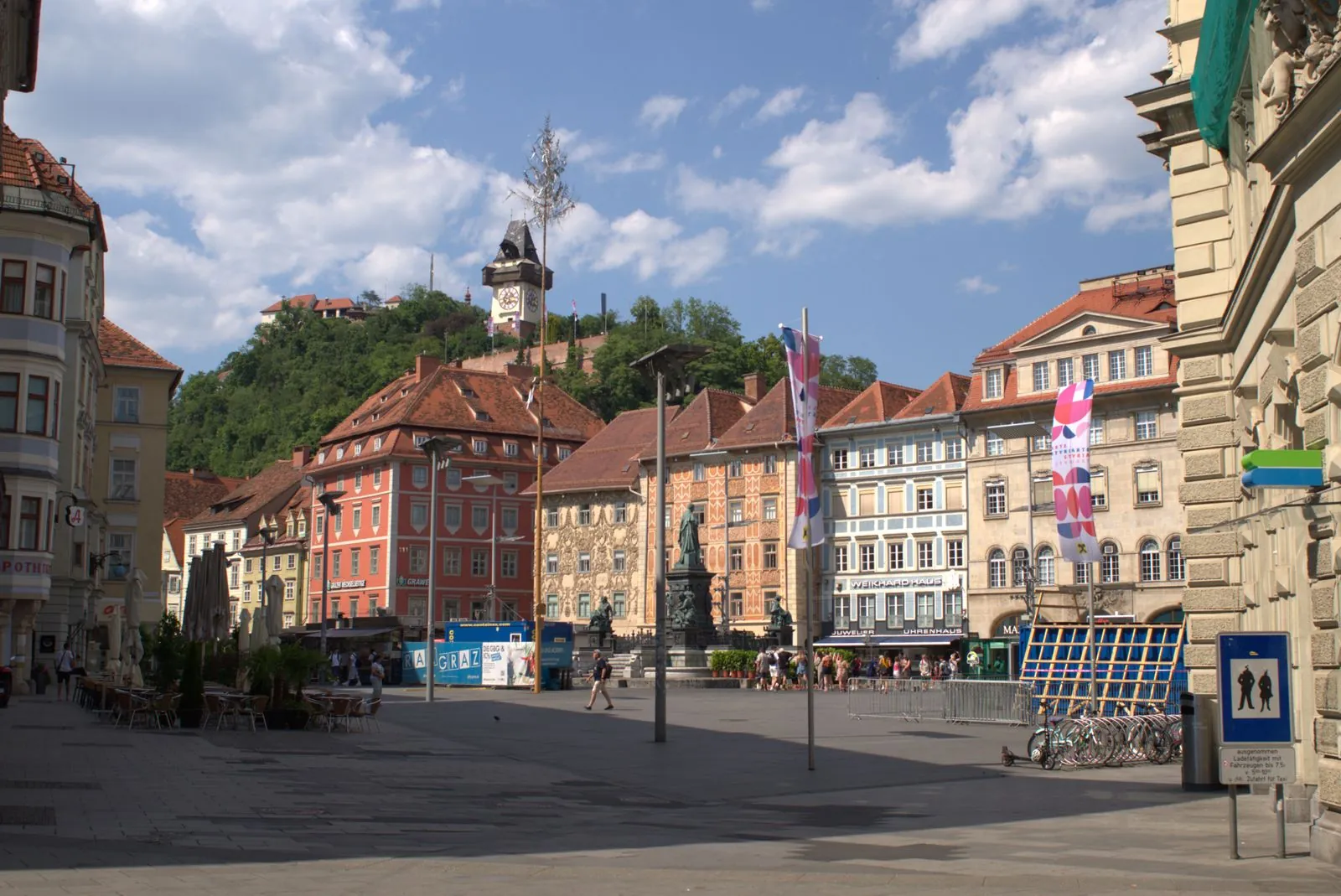
Graz

Austria's student city: a UNESCO old town, the creative Lend belt along the Mur and generous supply at notably softer prices.

Student cityUNESCO old townLend value belt
Read the Graz guide →
City state · Austria

Salzburg

A baroque stage set with extreme scarcity: strict ensemble rules, tourist pressure and some of Austria's highest rents per square metre.

UNESCO ensembleExtreme scarcityTourist pressure
Read the Salzburg guide →
Upper Austria · State capital

Linz

The Danube city rewriting itself — a baroque core, the creative Urfahr bank and stock that is underpriced by Austrian standards.

Danube cityUrfahr creative bankUnderpriced
Read the Linz guide →
Tyrol · State capital

Innsbruck

Alpine walls, alpine prices: valley-floor scarcity, view-axis rules and rents that rival Vienna's best districts.

Alpine scarcityView-axis rulesTourism economy
Read the Innsbruck guide →
Brandenburg · State capital

Potsdam

Berlin's quiet twin: Baroque brick quarters, villa belts around Sanssouci — and UNESCO heritage rules that reach deep into renovation planning.

UNESCO ensembleBerlin commutersVilla belts
Read the Potsdam guide →

All 18 cities: Vienna · Graz · Salzburg · Linz · Innsbruck · Potsdam · Hannover · Nuremberg · Bremen · Stuttgart · Cologne · Düsseldorf · Berlin · Leipzig · Dresden · Hamburg · Munich · Frankfurt

Altbau from A to Z

Glossary A–Z →
Altbau
A building erected before 1949 — in practice: Wilhelminian-era villas and tenements with solid walls and high ceilings.
Denkmalschutz
Legal protection of historic fabric; changes to façades and original features need approval — and sometimes receive dedicated grants.
Kreuzlüftung
Shock ventilation across two opposing façades — the Altbau's energy trump card.
BEG / KfW 264
Federal funding for efficient buildings — the most important subsidy pot for windows, insulation and heating swaps.
Stuck
Ornamental plaster profiles on ceilings and walls — the calling card of the era, restorable and re-castable.
Dielenboden
Long, narrow softwood boards, the original floor of many Altbau rooms — recoverable by sanding.

The Altbau Service Directory

A free, user-submitted directory of renovation firms, tradespeople, letting and sales agents, and energy advisors. Browse with no commission and no fees — or list your own business for free.

Listings are submitted by the businesses themselves and published without verification. altbau.com is not a broker or intermediary and receives no commission. Please read our disclaimer.